

On Wednesday last week Resonance FM broadcast an interview with yours truly by Christopher Thomas on the subject of Responsibility of curators in the age of the global art system. The main topic of conversation was the Ghetto Biennale and the exhibition of work by Grand Rue artists in the UK. A recording of the broadcast can be heard here: resonance radio (11June).
Tele Geto Project at the Portman Gallery

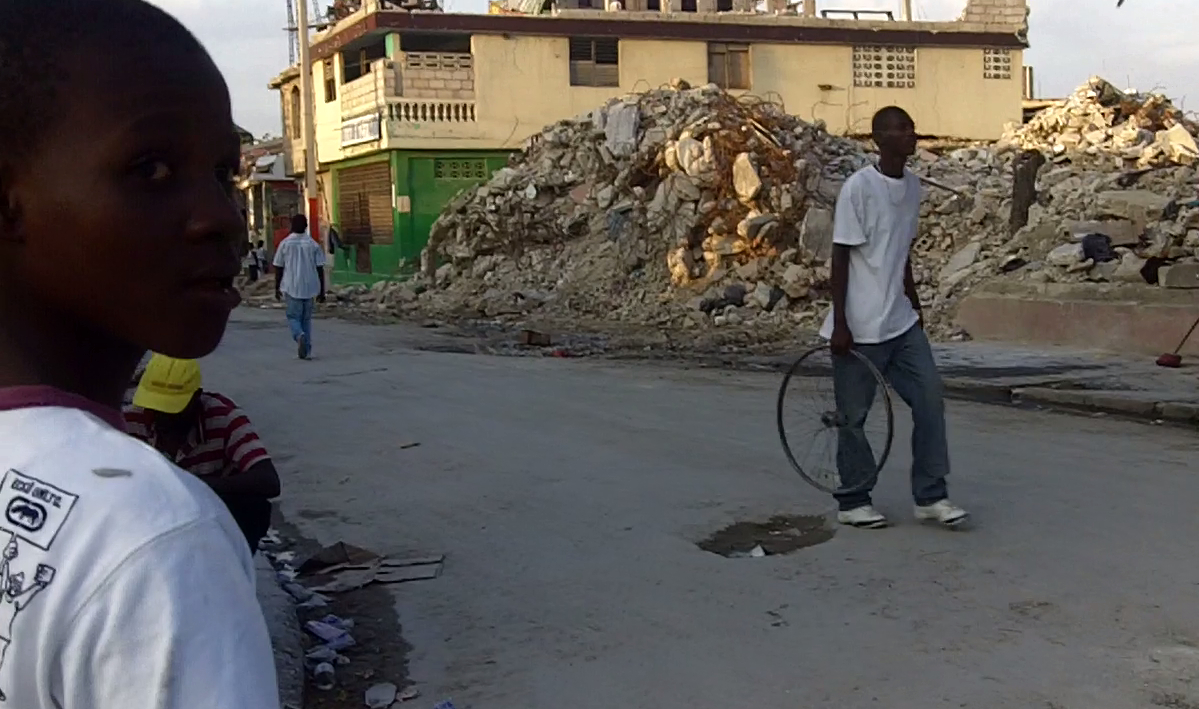
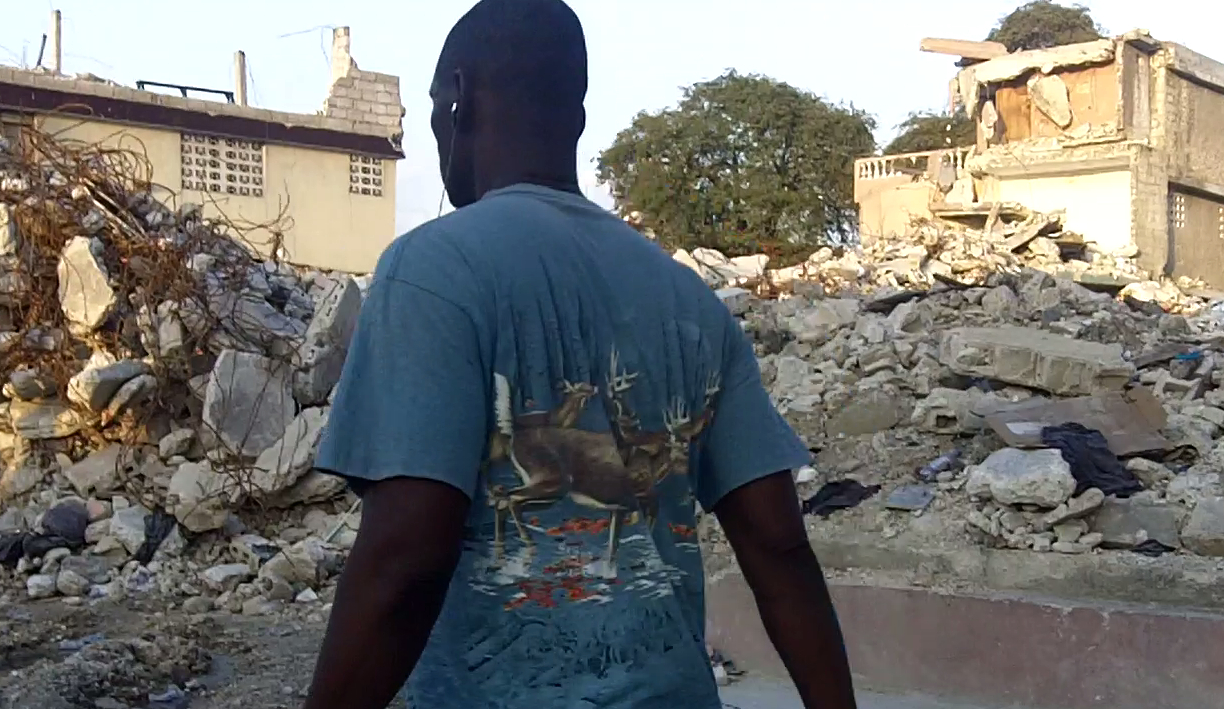
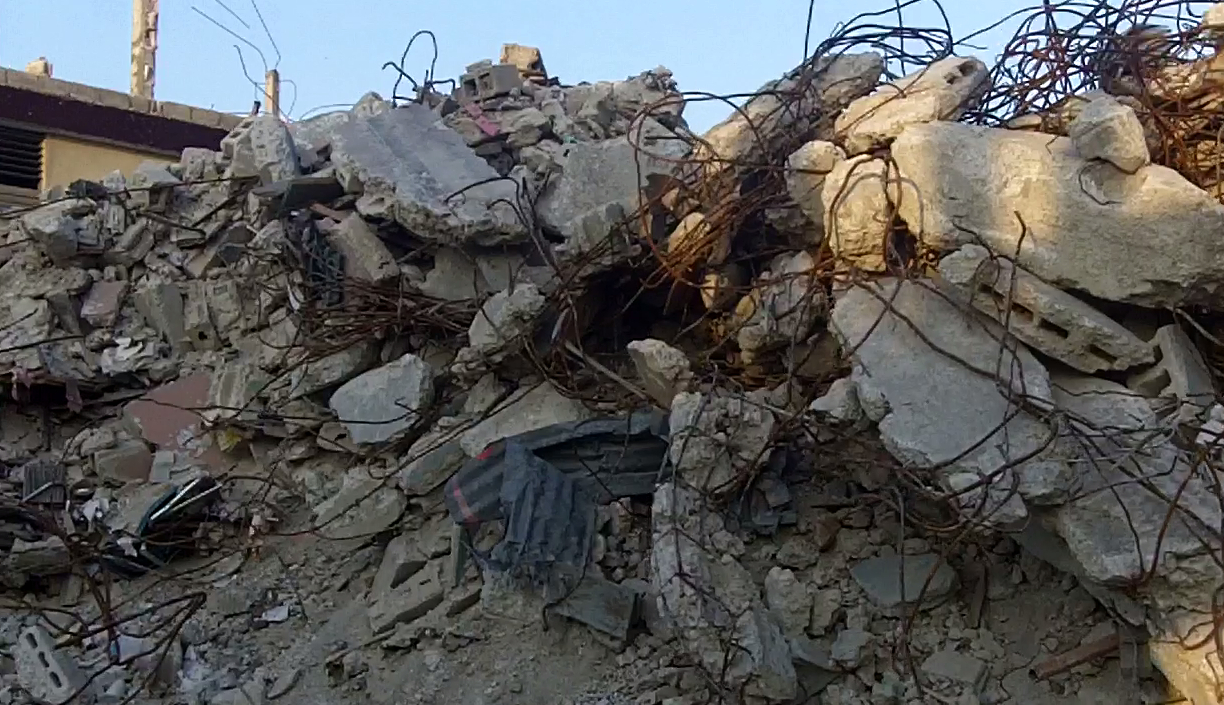
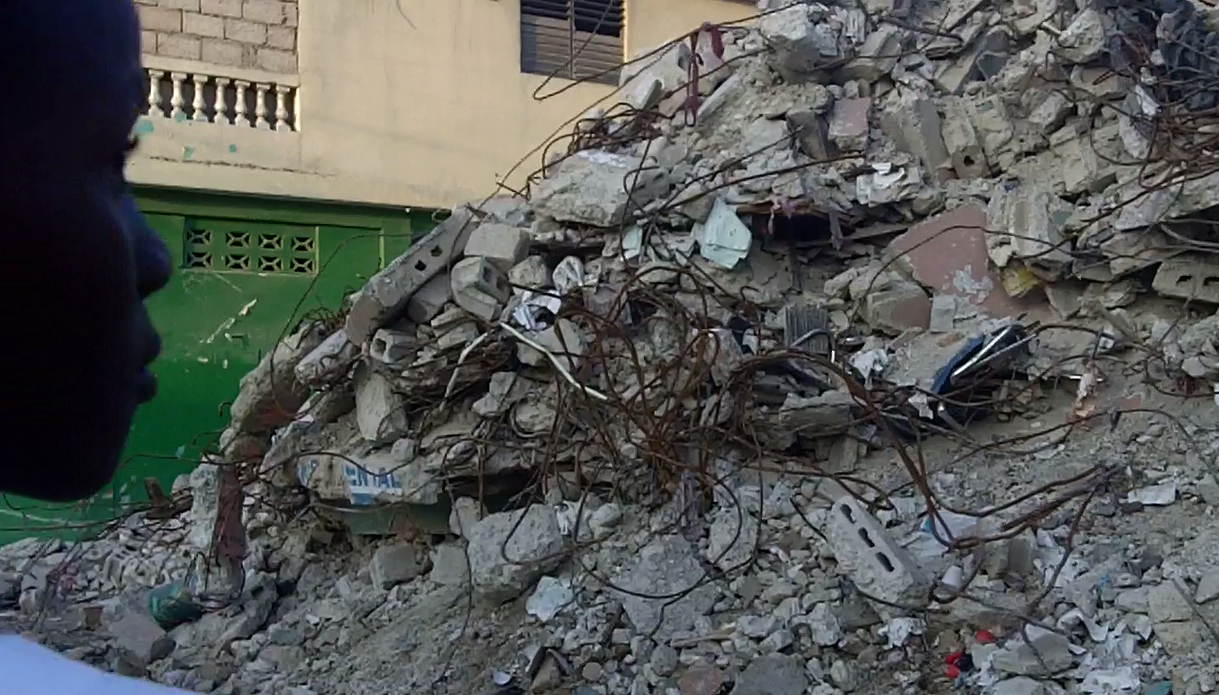
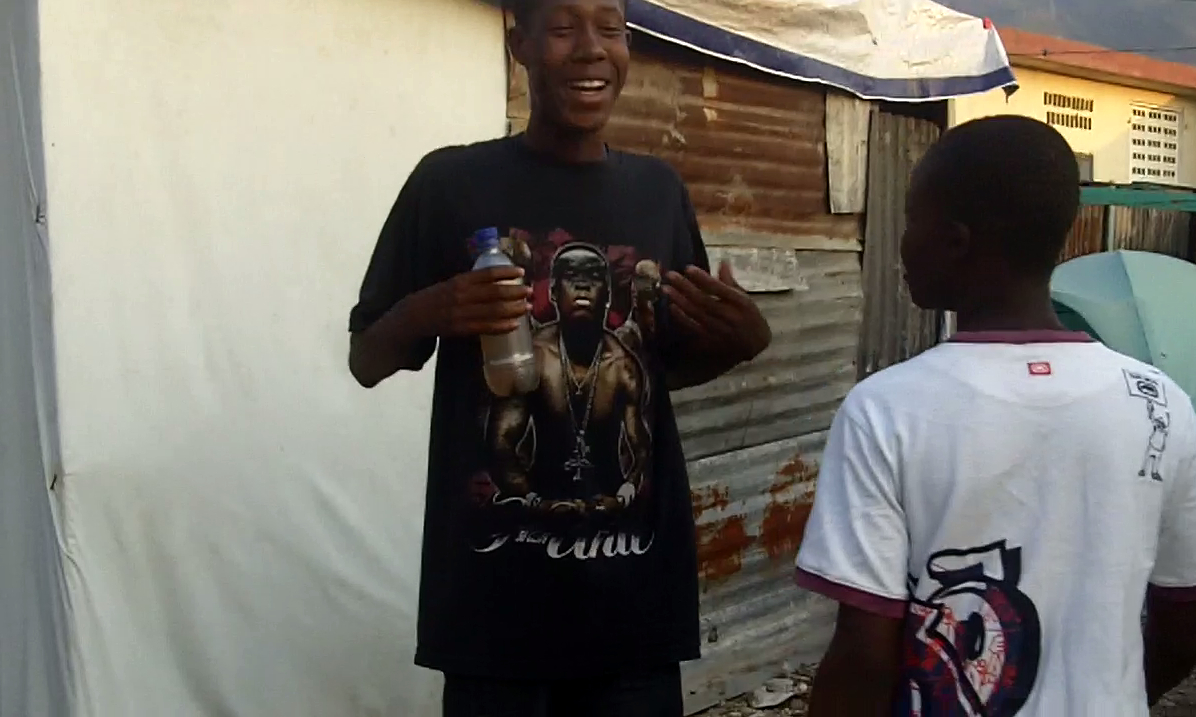
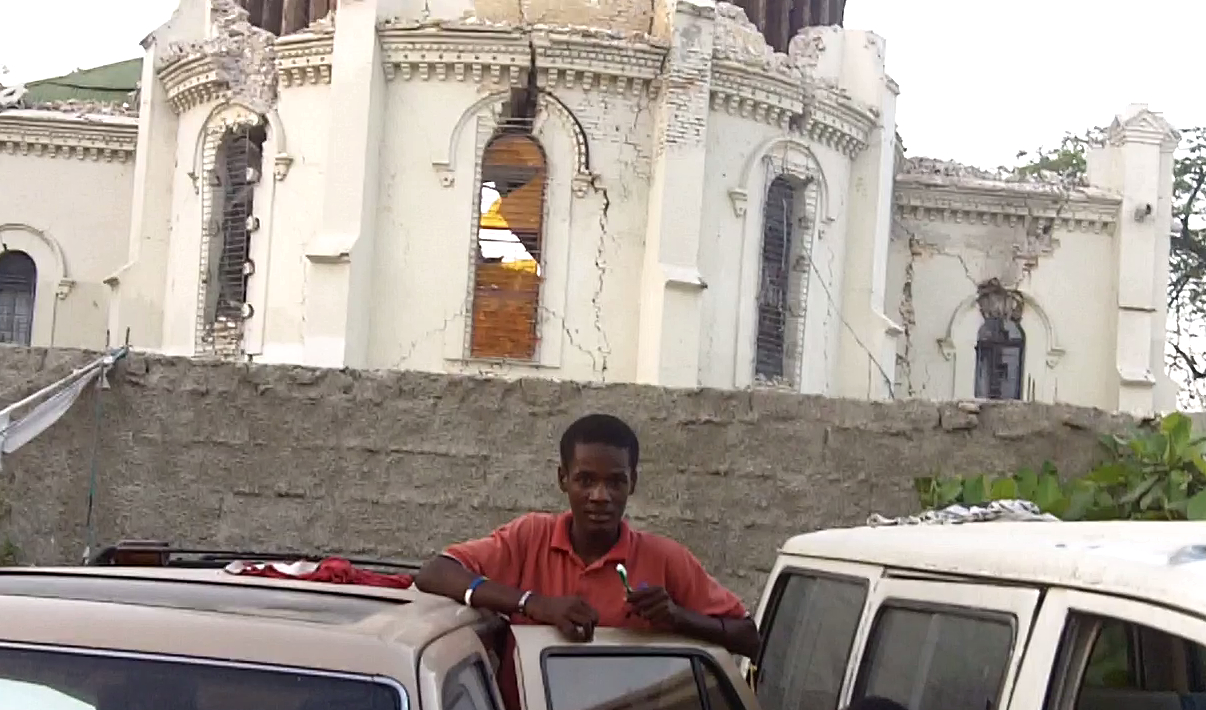
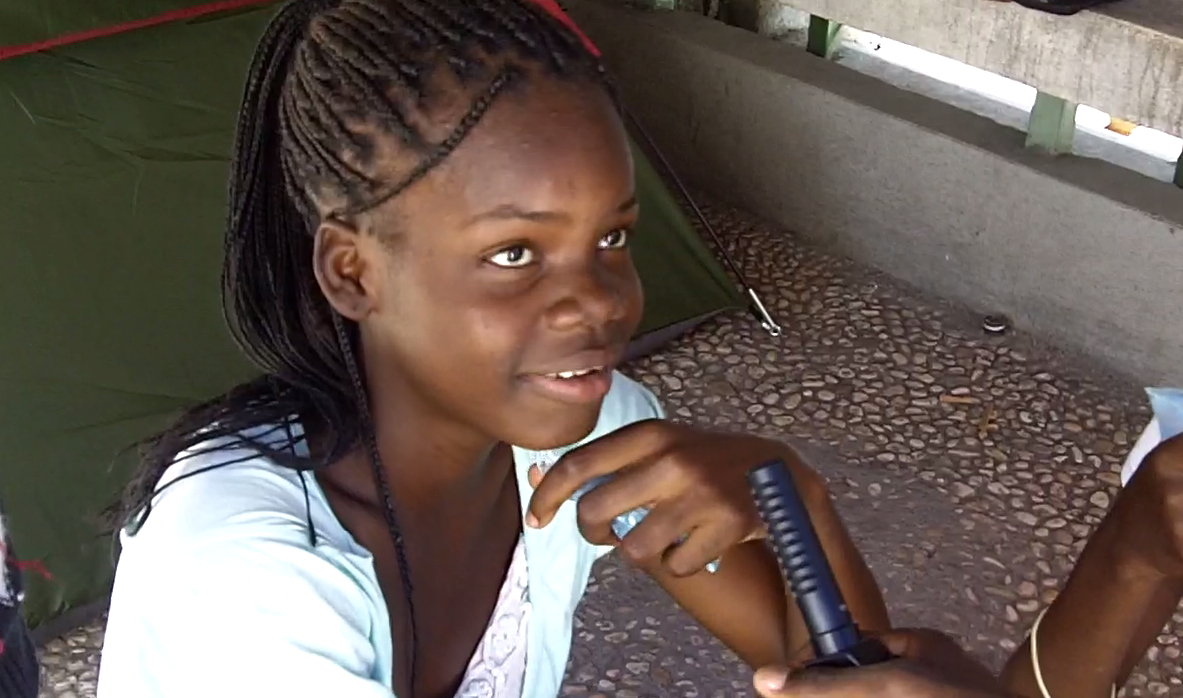
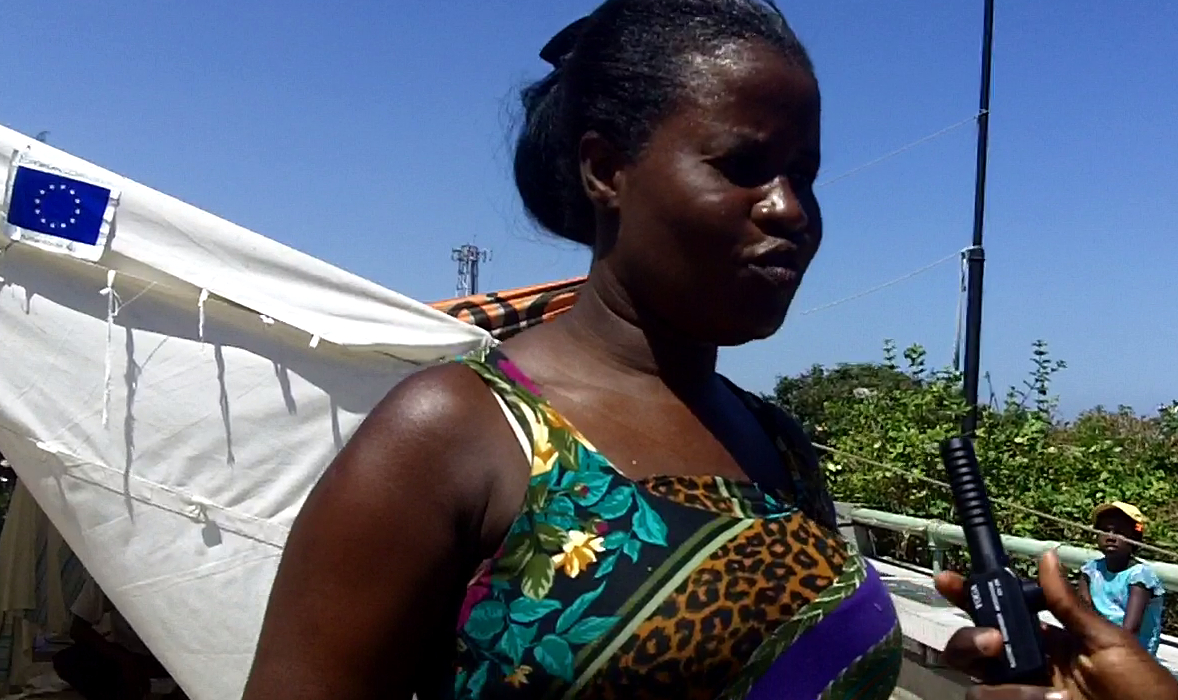
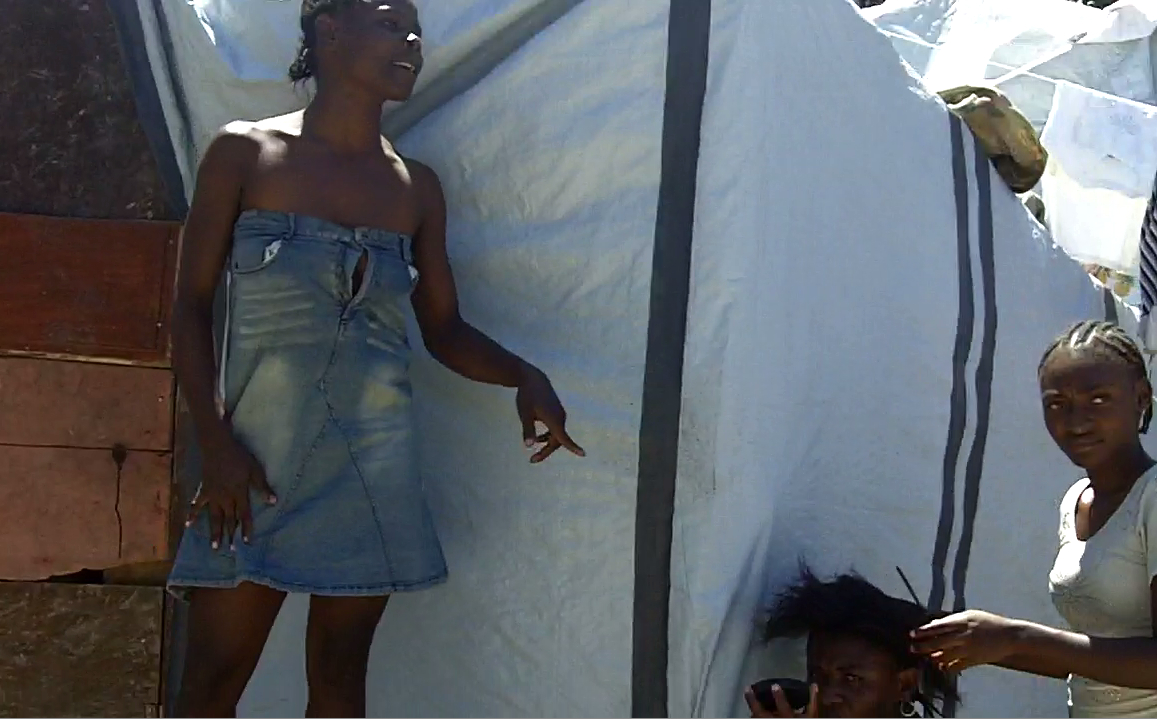
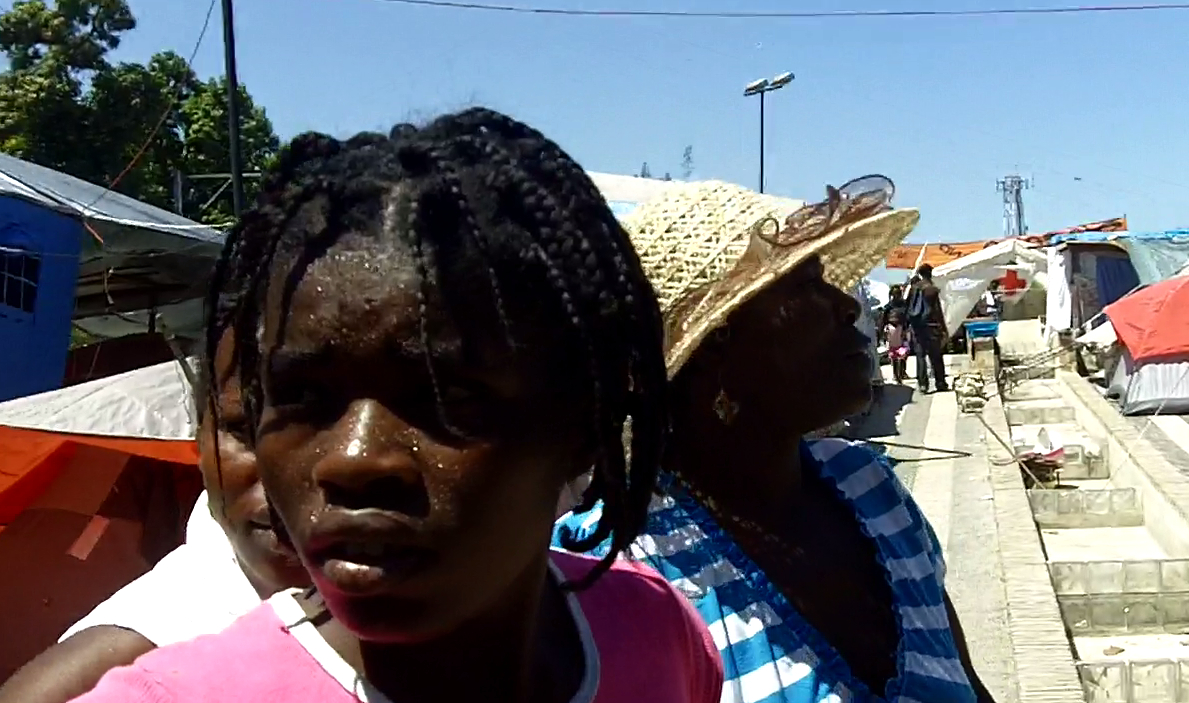
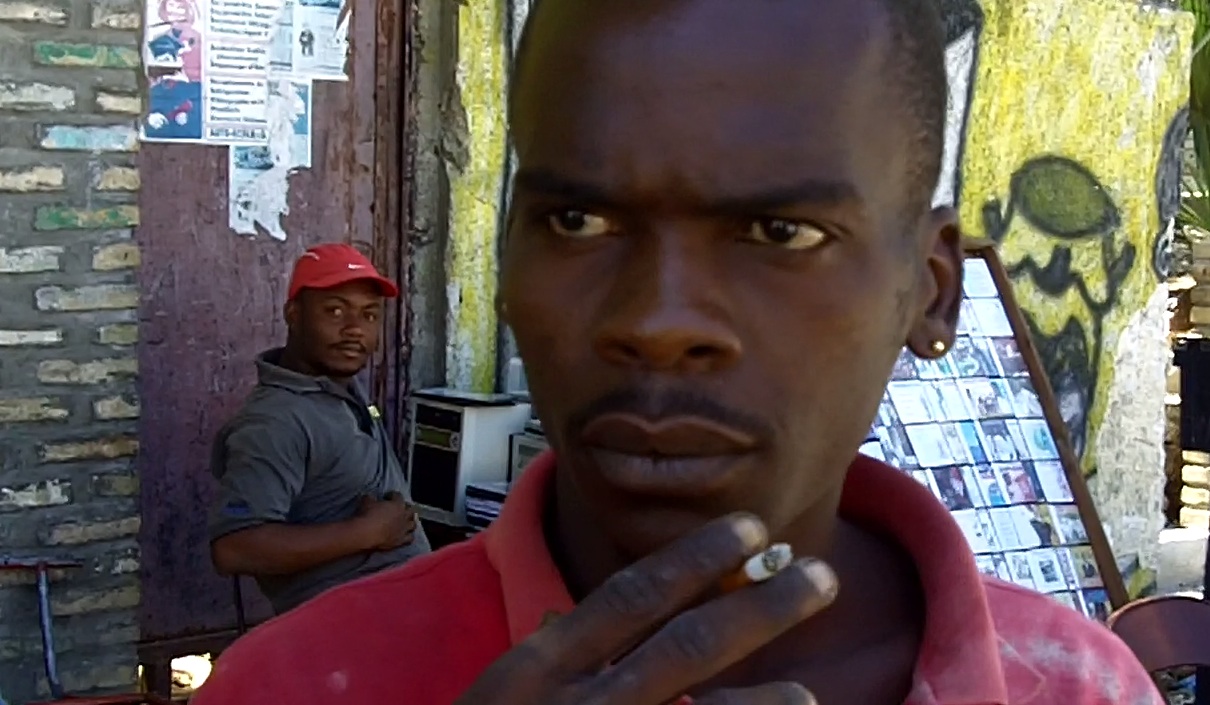
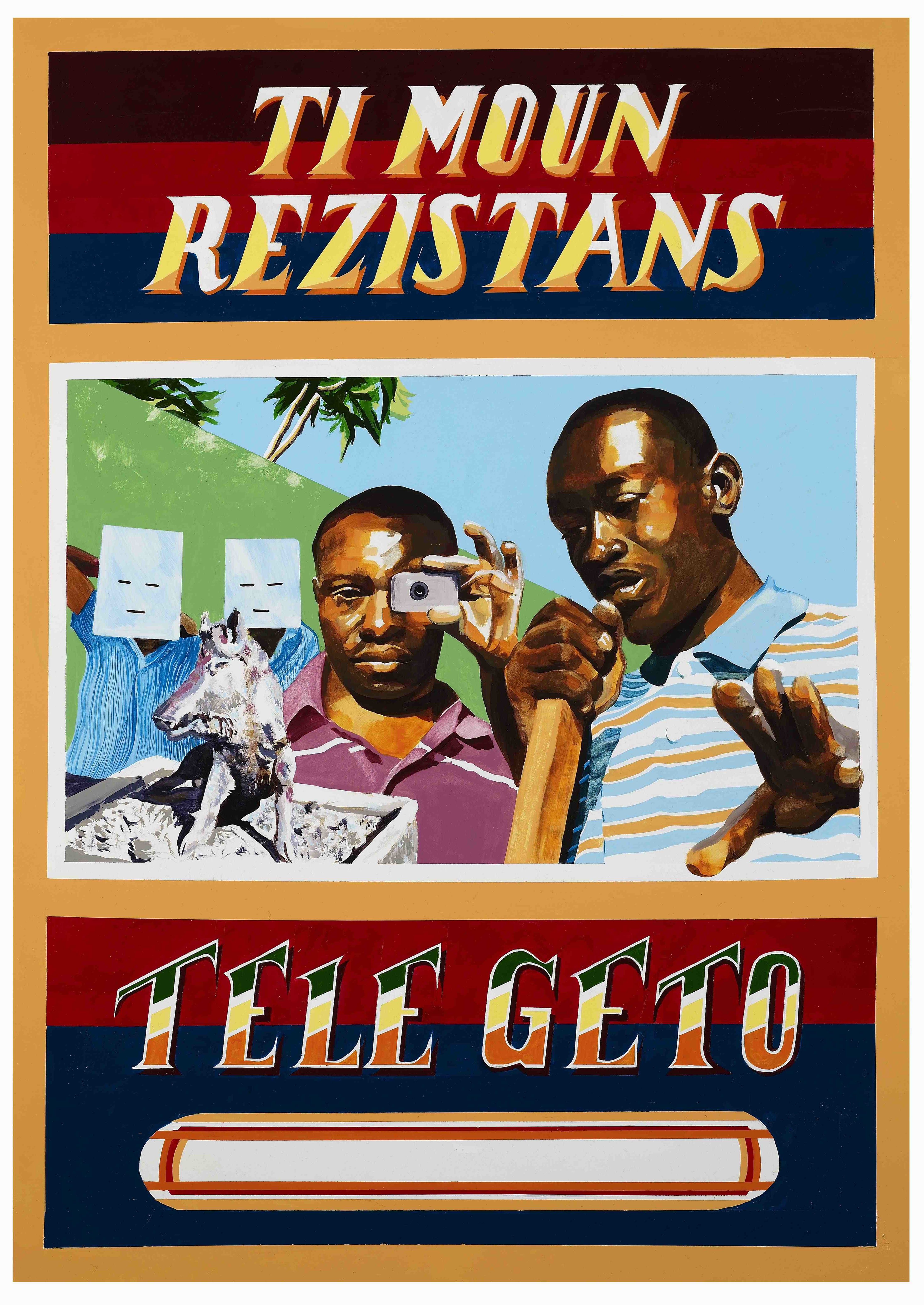
Tele Geto is coming to the Portman Gallery in Morpeth School in July and October 2010. Tele Geto was created by Ti Moun Rezistans of the Grand Rue area in Port-au-Prince during the Ghetto Biennale. In light of the lack of video news coming from the ground in Haiti after the earthquake I sent a basic video recording kit so that the children of the Grand Rue could document life there after the quake. These films will be shown at the gallery between the 15th and 20th of July along with sculptures made in workshops with Andre Eugene (Atis Rezistans) by a ‘mirror-group’ of students from Morpeth School. These students will also be given the same kit as the kids from Grand Rue to make videos about their own lives in the East End. Pedro Lasch will be doing video and ‘naturalization’ workshops with the Morpeth School kids during the first show. The videos will be shared with the Ti Moun kids over the internet. A second show will take place in October.
Here are some stills from the videos made by Tele Geto:







Invisible Mirrors at LoBe Gallery (Berlin)

Invisible Mirrors will be showing at the LoBe gallery in Berlin until June 24th as part of The Mortar of Distribution show curated by Matthew Poole.
Screening of Invisible Mirrors at the Cabinet Gallery
On Tuesday March 30th between 7 and 9 pm I will be giving a talk about Haiti, the Ghetto Biennale and Bataille’s theory of Religion to accompany a screening of Invisible Mirrors at the Cabinet gallery, 49-59 Old Street, London EC1V 9HX.
I will show the film from 7 till 7.15, talk for an hour, then show the film again at 8.15.
The image above is the poster I have made to promote the Tele-Geto project created by the Ti Moun Rezistans of Grand Rue.
Roberto Peyre has also posted video footage of the screening of Invisible Mirrors at the Ghetto Biennale here.
Places are limited so can you please RSVP the Cabinet at art@cabinetgalleryltd.demon.co.uk.
Haiti on the Late, Late Breakfast Show
I will be speaking as a guest on Tracy Moberly’s Late, Late Breakfast Show on Resonance FM on Friday 26th Feb from 12 till 1 pm. Tracy, who participated in Ghetto Biennale with her Power in the Blood project, will also be speaking to André Eugene from Atis-Rezistans.
Haitian History Lessons (Part 1) – Our Debt to Haiti
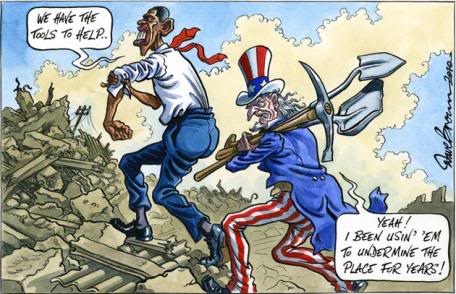
In the recent Gasworks meeting at which we established the Haiti-London Konbit list-server it was agreed that a brief history of the current situation would be useful to help coordinate solidarity. This is my first attempt to do so.
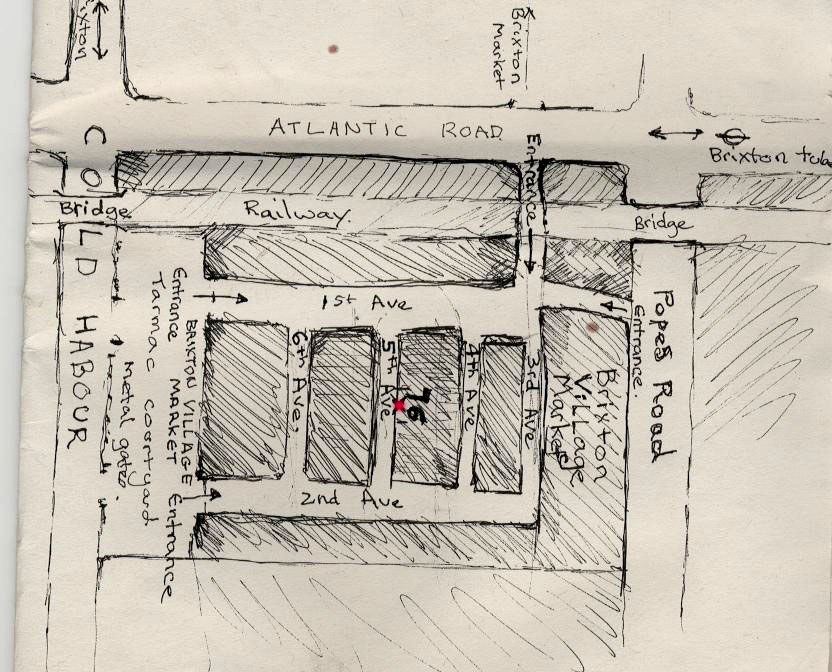
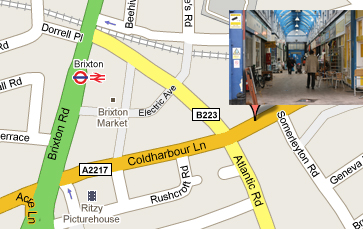
I will be presenting a powerpoint presentation of this story at a Free School event on Saturday 13th Feb between 2 and 4pm in the temporary shop space where Andrew Cooper is showing “The Rabbles Furious Struggle Against Inequality” (Shop 76, 5th Avenue, Brixton Market off Coldharbour Lane and Atlantic Road. Near Brixton tube, Victoria line). Please come along and invite any interested parties.
Our Debt to Haiti
“Haiti has no debt with Venezuela – on the contrary, it is Venezuela that has a historic debt with Haiti,” – President Hugo Chavez the announcement of the cancellation of Haiti’s monetary debt to Venezuela, January 2010
In his recent speech accepting responsibility for the Clinton-Bush Haiti Fund established by Barak Obama, Bill Clinton made the following telling comment:
“I believe that before this earthquake Haiti had the best chance to escape its history, a history that Hilary and I have shared a tiny part of”
This was not the first time Clinton had given his ‘escape’ speech after a ‘natural disaster’ in Haiti. The first was at the UN headquarters in New York prior to his departure for Haiti in July 2009 on acceptance of his role as UN Special Envoy to the country: “Haiti, notwithstanding the total devastation wreaked by the four storms last year” he said “has the best chance to escape the darker aspects of its history in the 35 years that I have been going there.” Clinton continued, “[Haiti is safer today] because of the work of the United Nations peacekeeping and police forces. No effort like that is without controversy and incident, but they have basically done a good job. I was there in the streets of Cite Soleil. I saw the children walking without fear.” The ‘controversy and incident’ referred to by Clinton stems from accusations of UN involvement in human rights abuses committed by the Haitian police who performed summary executions and widespread false arrests following Aristide’s ousting in 2004.
There are two histories that Clinton, Obama and Bush, along with the dominant mainstream media channels, would like us to forget, and the Haitian people to ‘escape’. The first is Haiti’s history as the first independent Black republic in the modern world and the price it has had to pay for its’ independence ever since, and the second is the terrible role the US and dominant international powers have played, and continue to play, in maintaining the poverty and political disempowerment of the Haitian people.
Here’s a brief sketch of those two stories and the ‘dark history’ that Clinton would like Haiti to ‘escape’.
Background to the Haitian Revolution
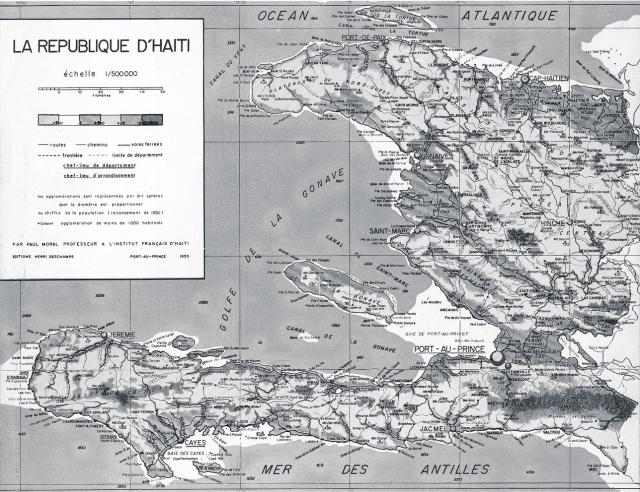
Haiti occupies the western third of the island of Hispaniola, which was populated by Taíno people at the time of Columbus’ arrival there in 1492. The Taíno population decreased rapidly during the colonization that followed Columbus’ ‘discovery’ due to harsh treatment by the colonial overlords. The genocide of the Taínos by Columbus and his men has been described as one of the most brutal and complete in history.
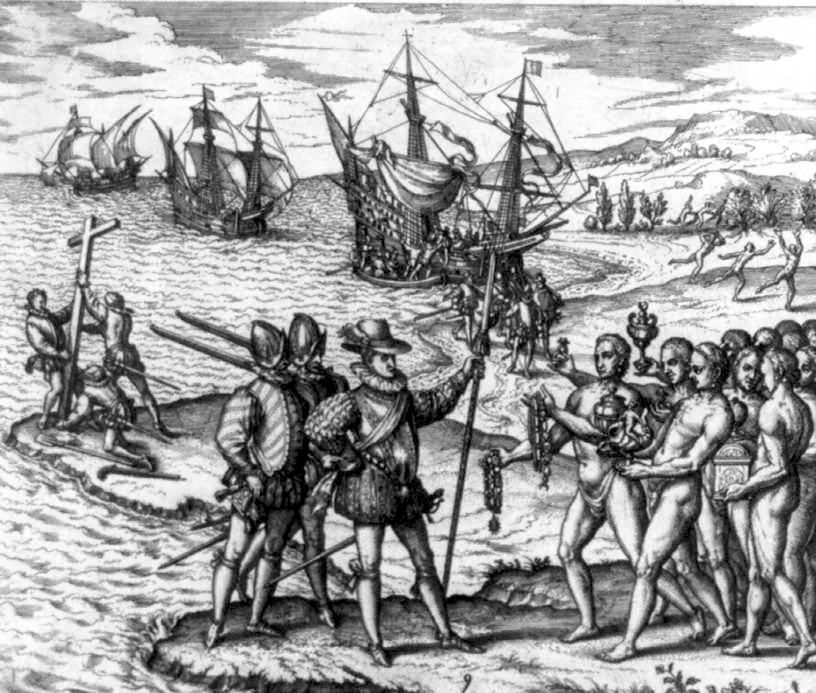
In 1501 the Spanish colony began importing African slaves to replace the lost Taíno ‘workforce’ it was using to extract gold from the island.
During the 17th century French colonists took over the western part of the island and named it St. Domingo. It was to become the richest colony in the New World, a wealth based on the cultivation and manufacture of indigo, coffee and sugar. The production process was built upon one of the cruelest and most inhuman slavery regimes the world had ever known.
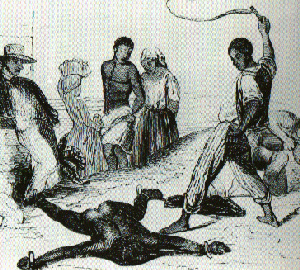
The Taínos and Africans that managed to escape slavery formed maroon communities in the mountains. One of the most famous maroons was Francois Macandal who led a series of successful raids against the colonial plantation owners in the years before the revolutionary slave-uprising there in 1791.
Inspired by the French revolution of 1789 and the ideals of Liberty, Equality and Fraternity – which supposedly underpinned it – the slaves organised a massive revolutionary movement against their masters.
In August 1791 a Jamaican-born, former slave and houngan (Vodou priest) called Dutty Boukman organized a gathering of rebel leaders in the woods of Bois Caïman and, in ritual ceremony, swore a blood oath to overthrow the plantation system. (This is the historical source of recent allegations that Haiti is cursed due to a pact made with the devil).
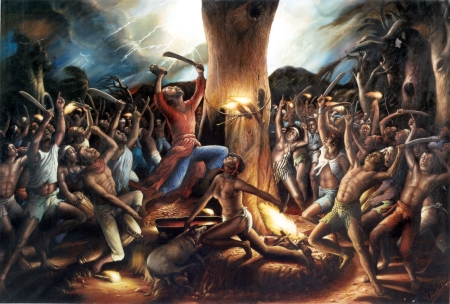
Here is the accepted historical account of Boukman’s prayer at Bois Caïman:
“The god who created the sun which gives us light, who rouses the waves and rules the storm, though hidden in the clouds, he watches us. He sees all that the white man does. The god of the white man inspires him with crime, but our god calls upon us to do good works. Our god who is good to us orders us to revenge our wrongs. He will direct our arms and aid us. Throw away the symbol of the god of the whites who has so often caused us to weep, and listen to the voice of liberty, which speaks in the hearts of us all.” (cited in CLR James’ The Black Jacobins)
There is some academic controversy regarding the details and veracity of the story of Bois Caïman. An overview of the debates can be found here.
Revolution and Independence
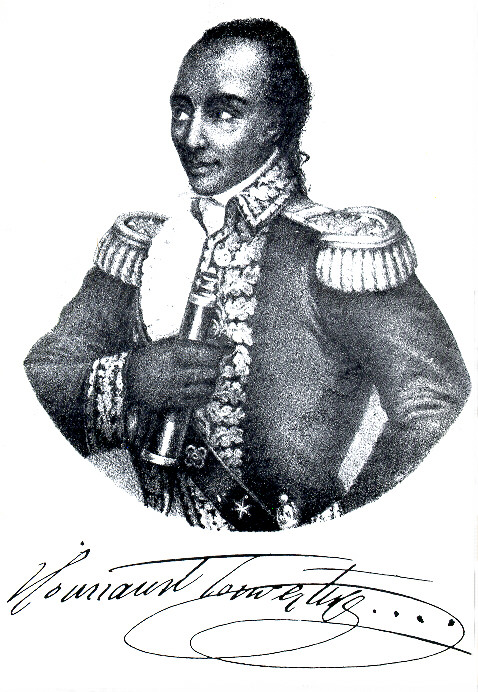
From the revolutionary struggle that followed the Bois Caïman ceremony Toussaint Louverture, a free black, former coachman and slave driver, emerged as the military commander of the slave armies and became the first black governor of the first nation in the world to fully and constitutionally abolish slavery. Following a 13 year war of liberation the Nation of Haiti was established in 1804, named after one of the Taíno names for the mountainous island. It was the first country in the world to actually abolish slavery and to implement universal human rights and equality to all citizens regardless of colour, property ownership, religion or gender. The great historical, political and social significance of this event has been receiving a great deal of attention in academic circles recently, since the publication of Susan Buck-Morss’ Hegel, Haiti and Universal History and Nick Nesbitt’s Universal Emancipation: The Haitian Revolution and the Radical Enlightenment. Slavoj Zizek’s attention to these works, as mentioned in the ‘First Post‘ of this blog, has further added to this popular academic interest.
Haiti’s Debt to the World Banking System
No sooner had Haiti won its independence from France than it was faced with a crippling trade embargo imposed by the French. This would not be the last such blockade.
In 1804 US President Thomas Jefferson refused to recognise the new state and instead offered military support to the French to help regain the island. Fearing slave-uprisings in the southern states, the US also placed a trade embargo on Haiti. This embargo was in place until 1862 when the US finally recognized Haiti as a sovereign nation. Abolition of Slavery in the US did not happen until 1865 at the end of the Civil War.
In 1825, in return for recognizing Haitian independence, France demanded an indemnity of 150 million gold francs, five times the country’s annual export revenue. The terms were non-negotiable and the fledgling nation acceded, since it had little practical economic choice in the matter. The country took out loans from US, German and French banks at extortionate rates. By 1900 80% of the national budget was being swallowed up by debt repayments. Haiti was paying for this debt until 1947.
In 2003 President Jean Bertrand Aristide petitioned the French government to repay Haiti for this reparation plus the interest the money would have accrued in that time (a total of $ 21 billion). The French Government refused and one year later, after secret meeting in Montreal between government representatives of France, Canada, the US and Latin America discussing ‘regime change’ in Haiti, President Aristide was ousted in a military coup. The coup coincided with the 200th year anniversary of the declaration of Haitian independence.
The First US Occupation of Haiti
At the outbreak of the first world war the US government was anxious about a small German population (approximately 200 people) in Haiti controlling 80% of the nations wealth. A consortium of US investors bought the National bank of Haiti, the nations only commercial bank and government treasury. In 1915 President Woodrow Wilson sent 300 troops to ‘protect US interests’ in Haiti. Fears that Haiti would renege on loans from US and France under the potential presidency of Rosalvo Bobo prompted a full-blown invasion.
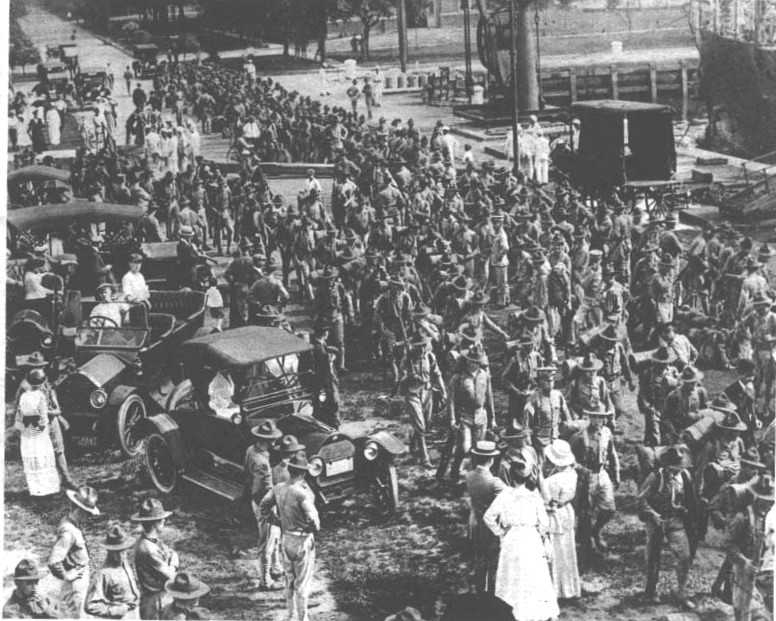
In 1918 the US drafted a new constitution for Haiti which allowed foreigners to buy land, something prohibited in Haiti since the presidency of Jean Jacques Dessalines (1804-6). The US occupation was enforced by US marines until 1934 during which time the US imposed a forced labour regime for the building of public works and blacks were banned from colonial hotels and restaurants. The guerrilla chief, Charlemagne Peralte, was exhibited in the public square, crucified on a door to teach the people a counter-insurgency lesson. Haiti’s social and economic development was effectively halted by this unlawful military occupation.
In a precursor to Naomi Klein’s The Shock Doctrine Major General Smedley Darlington Butler (winner of the US medal of honour for his involvement in Haiti) wrote a condemnation of US military strategy at this time – War is a Racket– pointing to a variety of examples where industrialists, whose operations were subsidised by public funding, were able to generate substantial profits essentially from mass human suffering.
During the occupation the US also began a series of anti-superstition campaigns in an attempt to eradicate the practice of Vodou from the country. Contemporary US based Evangelical Christian missions in Haiti continue this campaign today. In a recent post from Leah Gordon to the Ghetto Biennale list she told how, one week after the earthquake, an evangelist van drove past the site of the Ghetto Biennale in Grand Rue with a huge sound system playing a song which roughly translated as – ‘Haiti has suffered but let us be glad that god has at least killed all the sinners’.
The Duvalier Era
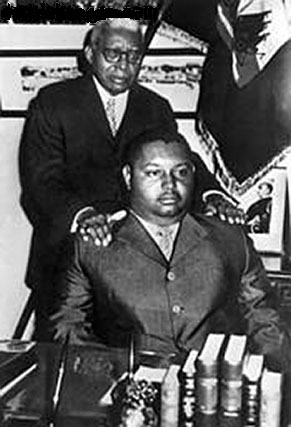
Francois ‘Papa Doc’ Duvalier came to power in Haiti in 1956 on a popular black nationalist platform. In 1959 he created a rural militia, the Ton Ton Macoutes, notorious for their brutality, who terrorized the rural population. Hundreds of thousands of rural peasants migrated from the country to rural slums in Port-au-Prince looking for work in sweatshops.
During the Kennedy administration (1961-3) Duvalier renounced all economic aid from Washington and declared himself President for life in 1964. Shortly afterwards there was a shift in US foreign policy towards Haiti as it was seen as an important bulwark against Communism in the West Indies.
During this time US agricultural imports began to undermine the traditional agricultural economy of Haiti.
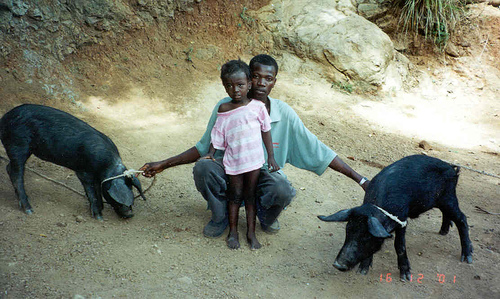
Francois’ son, Jean-Claude ‘Baby Doc’ Duvalier took over in 1971. In 1972 he was exposed for selling Haitian blood to private American hospitals for $3 a litre. In 1978 the indigenous Haitian pig was diagnosed as having the African Swine Fever and, under pressure from the US government, was almost entirely eradicated and replaced by an American pig that cost almost as much to feed as a Haitian human.
By mid 80’s fears about the AIDS epidemic destroyed what tourism there was left in Haiti. During this period there was a move on the part of the US States Agency for International Development to move the Haitian population out of the countryside and into the cities for multinational assembly industries in what has been called the Taiwanization of Haiti. Rice was imported from Miami at prices that undercut the Haitian farmers, furthering the tactical destruction of the Haitian rural economy and peasant self-determination.
This history is discussed very well in this recent Fault Lines program from AlJazeera.
During the Duvaliers’ combined 28 years in power, up to 60,000 Haitians were “disappeared” by the regime. The American government, via various agencies and banks, lent millions to both dictators. Despite knowledge of their 80% rate of aid embezzlement, no action was taken to remove them until 1986. The Duvaliers regularly signed up to new loans and gave lucrative contracts to American corporations. When Baby Doc fled the country he took an estimated $900m with him. 45% of Haiti’s current debt is interest on loans made for ‘development’ during the Duvalier period. Creditors include the Inter-American Development Bank, the World Bank, the IMF and the governments of the US and France (see ‘Haiti: the land where children eat mud’ – Alex Von Tunzelmann).
Aristide, the Lavalas Movement and the second US Occupation
In 1983 Pope Jean Paul 11 visited Haiti inspiring a popular movement for social change. In 1985 social uprisings began in Gonaïves with raids of food distribution warehouses. Baby Doc flown was out of Haiti in 1986 aided by the US military.
The Fanmi Lavalas (Avalanche Family) movement, led by the Roman Catholic Priest Jean Bertrand Aristide, won the parliamentary elections in 1991 on a platform of land reform, aid to peasants, reforestation, investment in infrastructure for the people, and increased wages and union rights for sweatshop workers.
A year later he was ousted in a CIA funded military coup after which a trade embargo was once again placed on Haiti. President George H.W. Bush granted exemptions from this embargo to many US companies, an exemption which Bill Clinton continued.

Aristide was returned to power by the Clinton administration ‘with a gun to his head’ in 1994, on the condition that he enforced the neo-liberal ‘development’ plan that Haitians call the ‘plan of death’. Washington demanded that Aristide sell-off all of Haiti’s state-owned services including the phone and electricity system, which he refused to do. This is the same plan that the US and International Financial institutions continue to impose on Haiti and the one that Clinton and Obama are still working towards. Which is why, in case anyone was wondering, the US now have over 10,000 armed military personnel in Haiti, ‘securing the disaster’.
In 1995 the IMF forced Haiti, once again, to cut its rice tariff from 35 percent to 3 percent, leading to a massive increase in rice-dumping, the vast majority of which came from the United States. Haiti is now the third-largest importer of US-produced rice, behind only Mexico and Japan.
Aristide’s return marked the second US occupation of Haiti, the Operation to Uphold Democracy, which continued until the 31st of March 1995.
In 2000 Aristide was re-elected by 92% of the votes.
Four years later the US collaborated with Haitian ruling elites and anti-Lavalas rebels to depose and kidnap Aristide. He was flown out of Haiti by US military and ‘security’ personnel. He is currently living in South Africa awaiting his return to Haiti.
Even before the present crisis, Haitians made it clear that they wanted Aristide back. In 2009, they boycotted elections which banned Aristide’s party Fanmi Lavalas from standing – only 3% of people voted.
UN Occupation
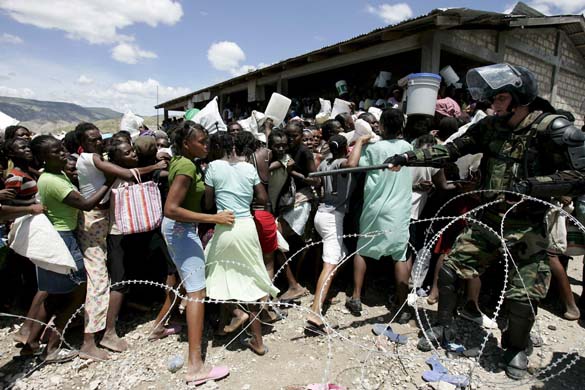
In April 2004 MINUSTAH (United Nations Stabilization Mission in Haiti) was established by United Nations Security Council Resolution 1542 because the council deemed the situation in Haiti to be a threat to peace and security in the region. The mission, which is led by the Brazilian army and made up of approximately 9,000 troops from 40 different nations, is authorized to stay in Haiti till October 2010.
There first mission was to ‘secure’ the Cité Soleil area of Port-au-Prince to control inter-factional violence between pro-Aristide and anti-Aristide gangs.
Since then several independent human rights groups have accused the UN and the Haitian National Police of committing series of atrocities against Haitian civilians.
Details of these well documented crimes can be found in Peter Hallward’s Damning the Flood: Haiti, Aristide and The Politics of Containment, a book which exposes the ‘darker history’ of Haiti in which the Clintons have had no small part.
The Situation in Haiti (Update)
Update from Emergency Meeting at Gasworks, Sunday Jan 24th
Following last week’s meeting to coordinate solidarity action with Haiti we established a working group called the ‘Haiti-London Konbit’. We have set up a list-server with Indymedia where people can post information about upcoming events. Just add your email address and any mails you send will be distributed to the other members of the the group.
Konbit is a traditional form of cooperative communal labour in Haiti, whereby the able-bodied folk of a locality help each other prepare their fields. Haitian peasants, as a rule, have a small plot of land to themselves that they use for subsistence (they feed themselves and their family from it). Otherwise, the bulk of their work is sharecropping, a form of feudal slavery, whereby they work for a landlord who takes the lion’s share of their produce. Konbit involves weeding, stone removal, planting, sometimes even the harvest. It is a time for solidarity and cooperation in the face of adversity and usually involves a feast offered up by the recipient of the help (thanks Andrew Taylor from the Haiti Support Group for this definition).
Most of the people present at the Gasworks meeting agreed that there is a widespread lack of awareness about the basic facts of Haitian history. Even people with an interest in the country are unaware of how and why Haiti became such an economically impoverished nation. The next post on the blog will be a very brief history of Haiti and its Debt. In advance of that post here is something an article on the issue of Haiti’s debt from the PAPDA (Haitian Advocacy Platform for Alternative Development) website and Hilary Beckle’s article The Hate and the Quake.
We would like to develop a Web 2.0 video version of the story of Haiti’s debt (possibly in collaboration with artists from the Grand Rue) to circulate on the internet. We will be discussing the logistics of this at the Free School event.
During the meeting at Gasworks we began a discussion about the legitimacy of the language of ‘debt’ in the context of Haiti and the racist misrepresentations of post-earthquake Haiti being on the edge of anarchy. I expect there will be more to discuss on these issues at a later date. But in the meantime here is an excellent and well-hyperlinked article on language of ‘looting’ in the journalistic response to the earthquake in Haiti by Rebecca Solnit.
There seemed to be strong support for the idea that what we are witnessing in Haiti is an example of ‘disaster capitalism’ as defined by Naomi Klein, and that the media focus on ‘looters’ and ‘rioters’ was a significant component the ideological apparatus being used to justify the presence of tens of thousands of US military personnel on the island. John Pilger has written an incisive riposte to the militarization of the aid effort in Haiti and parallel media reports about ‘criminal mayhem’ for the New Statesman. Peter Hallward’s recent article for Monthly Review is also very good in this context, arguing that the current US presence in Haiti amounts to a third military occupation.
Update on the best organizations to donate money too
Although some aid is now starting to get through to communities in Haiti, more than three weeks into the massive aid program there is still a severe bottleneck on the resources and the majority of the population have still seen seen no assistance. Leah Gordon has reported that an unofficial zoning system has been put in place by the military authorities divided into green zones, where relief can pass freely, and red zones which have restrictions placed on them. The Grand Rue area for instance is in a red zone, as are many of the poorer neighborhoods in Port-au-Prince. Democracy Now addressed the problems of aid distribution to the red zones here.
Flavia Cherry, chair of the Caribbean Association for Feminist Research and Action (CAFRA) has reported that the major aid agencies have done little to prioritize aid for the most needy member of the population and that it is obvious that the agencies are unable to handle the scale of the problem on the ground there. She questions why Caribbean governments are not being allowed to play a role in the operation despite many willing volunteers who can speak Creole and are ready to take aid directly to the most needy populations.
Ryan McCrory, Co-Director Haitian Sustainable Development Found, reported his recent experiences with the aid distribution program to the HSG. The large NGO’s require communities to fill out a 100 question form in order to receive aid. These forms can take as long as a week to complete. Of particular difficulty is explaining directions to locations in a city reduced to rubble by the earthquake. The Haitian government is being entirely bypassed in this operation and small organizations have completely given up trying to work with larger NGO’s and the UN because there has still been no sign of their goods being released. Instead they are traveling to the Dominican Republic to buy food and medical provisions..
I have been in regular email contact with Charles Arthur of the Haiti Support Group. The following is a summary of that discussion.
The Haiti Support Group (HSG) has circulated an important statement from the Coordinating Committee of Progressive Organizations presenting an overview of the current situation which can be found on Norman Girvan’s website.
Following this statement the HSG are now concerned that such is the international response to the many Haiti emergency appeals – i.e. so much money has been donated – that those organisations running the appeals will be in a position where they cannot distribute/use the money quickly or in a way that reaches the more marginalised people/organisations. They are concerned that many organisations in Haiti that are working with marginalised people but don’t have good international connections are not going to get any financial assistance. In this context you might consider making your funds available to the HSG for it to distribute to less well-known but equally deserving grassroots organisations. The HSG would match any tax relief that you would have got by donating to the big humanitarian agencies.
The best way to send money to the HSG is by direct bank-bank transfer, details as follows:
Payee name: Haiti Support Campaign
Payee account number: 6 1 7 2 0 9 4 1
Payee sort code: 6 0 – 0 3 – 3 6
Alternatively you can send a cheque to;
Haiti Support Group
c/o Leah Gordon
10 Swingfield House
Templecombe Road
London E9 7LX
The entirety of donations will be divided in three equal parts and sent as soon as possible to the following:
KOFAVIV is a women’s organisation that for many years has been working with women in the poorest and most marginalised communities in Port-au-Prince. It provides a space for women to meet, medical care for victims of rape, sexual violence, and other violence, advice on legal issues, and many other forms of practical and moral support to women who otherwise would get no help at all. It was the only organisation in Haiti that publicly denounced the rape and sexual violence committed by the gangs that controlled various shanty-towns in Port-au-Prince in the 2004-6 period. KOFAVIV lost its office in the quake. Many core members lost their homes and are now living on under plastic sheets in the main square in the capital. From there, they are trying to continue to provide help to other women.
Batay Ouvriye is a workers’ organisation which since 1995 has been helping factory and plantation workers to organise themselves to win improvements in wages and working conditions. It is one of the few active and effective workers organisations in the country. In Port-au-Prince the core members are providing relief and assistance to the best that their limited resources allow at the Batay Ouvriye centre in Delmas 16. Workers who have lost everything – their jobs, their homes, their spouses and children, and families which have lost their ‘bread-winnner’ are getting help from Batay Ouvriye but the organisation desperately needs financial assistance. It has a few links with organisations abroad but not with any which have large resources to be able to make sizeable donations.
The PAPDA/POHDH plus 4 organisations are some of the most effective Haitian progressive organisations working with the majority population on issues of participatory democracy, the economy, human rights, education, communications, etc. The two platforms and four organisations – many of which lost their offices in the quake – have set up a coordinating committee to pool resources and organise joint responses to the disaster. They have opened a centre in Canape Vert to provide medical and material assistance to survivors. They plan to open more of these centres in areas of the city that are more or less ignored by the large humanitarian agencies.
PAPDA has set up a bank account for the purpose of directing material contributions to the organizations it works with:
PAPDA BANK ACCOUNT FOR CHANNELING SOLIDARITY SUPPORT:
Account Name: Camille Chalmers and Marc-Arthur Fils-Aimé
Account Number: 130-1012-457066 (checking account)
Bank Name: Unibank SA, Port au Prince, Haiti
Swift code: UBNKHTPP
UniBank has many accounts to receive money in Euros or U.S. dollars:
1) At Wachovia bank in New York (BIC Code: PNBPUS3NNYC. ABA / Routing: 026005092). The account of the UniBank there is: 2000192002189
2) At Société Générale, 1221 Avenue of the Americas New York (BIC Code: SOGEUS33. ABA / Routing: 026004226). The account of the UniBank there is: 194,980
3) At Société Générale, Paris la Defense Cedex 92,972 France (BIC Code: SOGEFRPP. Count UniBank there in Euro: 003-01-50607-0 IBAN: Fr 7630003 06990 00301506070 53)
4) In Bank of America, London England (BIC code: BOFAGB22. UniBank Count in euro: 6008 23805023 IBAN: GB33 BOFA 1650 5023 8050 23. In sterling account: 6008 23805015 IBAN: GB33 BOFA 1650 5023 8050 15
5) Banque Nationale du Canada International Commercial Operations, 1010 Rue de la Gauchetière Ouest, Suite 750 Montreal PQ Canada H3B 5K7, BIC Code: BNDCCAMM. Count UniBank there: 097608-236-001-001-01 (Dollars canadieneses) 097608-240-002-001-01 (USD)
6) In Banque Royale du Canada, 180 Wellington Street West Toronto, Ontario M5J 1J1 Canada – BIC Code: ROYCCAT2. Account UniBank d ela there: 09591-406-583-5 (USD) / 09591-390-111-3 ($ CAD)
 Invisible Mirrors