
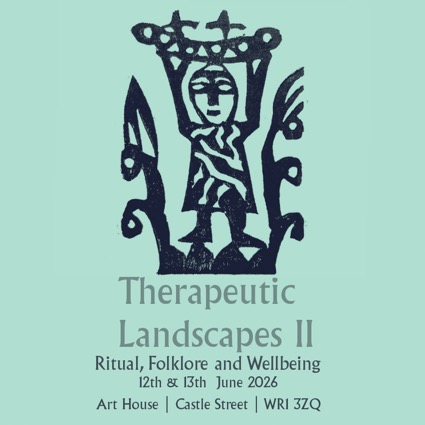
Therapeutic Landscapes II: Call for Papers

I’m very excited to announce the call for papers for ‘Therapeutic Landscapes II: Ritual, Folklore and Wellbeing’, a symposium and exhibition that will take place at The Art House at the University of Worcester on June 12th and 13th 2026.

We invite artists, creative practitioners, health practitioners, cultural historians, public health workers and curators who, both formally and informally, are investigating the intersections of ritual, folklore, magic and physical environments and their implications for emotional health and wellbeing to present their work around (but not limited to) the following themes:

• Creative placemaking through storytelling

• Artistic engagement with local knowledge, know-how and skills held in place

• Intentional embodiment in transformative practices

• Creative work that addresses class within folk cultures

• Communal creative interventions in the landscape

• Participatory archaeology/ experimental archaeology

• More than human entanglements

• The Imagined Village: speculative fiction informed by folklore

• Creative interpretation of folk objects held in museums and collections

• Public health arts-based initiatives that are informed by Folklore and folk beliefs

• Ritual as therapeutic creative practice

• Craft practices that investigate connections between making, materiality and emotional wellbeing

• Material practices exploring magic and the supernatural

• Folk customs, ritual games, and community wellbeing

• Mortality, ancestors and commemoration

• Right to roam: communities of dissent

• Mayhem mischief and misrule

• Creative interpretations of places associated with healing

• Pilgrimage, procession and pageantry

• Combatting rural loneliness and isolation through Creative Health interventions

• Local Artists and artist-led co-ops in rural places

• Nature based approaches to radical self-care

Paper Presentations

Please send 250 word abstract for a 20 minute presentation to therapeutic_landscapes@worc.ac.uk

Performances and Workshops

Proposals for longer performances and workshops are also welcome. Please send a short 250 word outline of your proposed activity.

Exhibition

Please send a short 250 word artist statement and up to 6 images of your work for consideration for the exhibition.

Deadline for proposals : 1st March 2026

Presenters and participants will be notified 14th March 2026.

Email: therapeutic_landscapes@worc.ac.uk

Instagram: https://www.instagram.com/folk.cultures.research/
NAFAE Conference 2026: Call for Papers

This year’s National Association for Fine Art Education conference ‘IT TAKES A VILLAGE TO RAISE AN ARTIST: LOCAL, TRANS-LOCAL, GLOBAL’ will take place at Champness Hall, Rochdale on Friday 24th April 2026.

The focus of the conference will be co-operation, conflicts and collective agency in defence of creative and cultural education and placemaking.

We welcome proposals on the following themes:

Space and Place

● How do we define ‘region’ in an era where administrative boundaries, cultural identities and economic geographies no longer align?

● In what ways do place-based practices, geographies and cultural infrastructures contribute to, or challenge, broader ideas of regional or national identity within the arts?

● What is the shape and place of the future campus?

Emerging needs and priorities

● What priority and emerging creative and cultural skills most effectively promote lifelong learning and learner agency?

● What will shape the form of the educational offer and curriculum for Fine and Visual Art practices in terms of pedagogies, adult education and co-operative learning?

● How important is accreditation (i.e. what are the freedoms/restrictions it imposes for students and curriculum planners?)

Partnership and co-operation

● What are the weighted contributions of investors and stakeholders supporting educational initiatives marked as alternative to establishment institutions?

● Who are the private providers of education and lifelong learning that can be trusted to deliver with integrity or in any way enhance the current landscape?

● How can resourcing and facilities be modelled to best enable sustained practices and relevant growth from the activity?

Local, Translocal and Global

● What are the international exemplars for co-operation and where are the potential allies that will help to secure a fairer and more resilient accessible Fine Art ecology?

● Art and art practices are a public and civic good and underpin global citizenship and belonging.

● Why, if we consider the concept of paideia, we have failed to convince decision-makers of the contribution that creative arts make?

You can find our more about the conference here.

Proposals for contributions should be submitted to: admin@nafae.org.uk no later than Friday 13 February 2026. Decisions on contributions for our next NAFAE conference will be communicated to the participants by 27 February 2026.

To submit a proposal for contributions, you must be a NAFAE member. To join NAFAE please visit the membership page.

In Conversation with Eugene Shimalsky

My recent conversation with Eugene Shimalsky for his podcast ‘Garden.Something.Meeting’ is here. In our free-wheeling discussion we touch on a wide range of topics including our relationship to news media; the war in Ukraine; disinformation narratives; cognitive overload; potlatch*; critical theory; algorithmic polarisation; Nick Land (again!); the development of Neo-reaction; the cult of acceleration; propaganda, war and trauma; fear and the psychology of reality denial.

*I’d like to clarify some of the comments I made about ‘potlatch’ in our discussion. There are two distinct but related meanings of the term. The first is the ceremonial cultural system of the First Nations people of the Pacific Northwest that was prohibited by the colonial authorities between 1885-1951. The second is an avant-garde appropriation of the idea taken from ethnographic literature first articulated by Georges Bataille in The Accursed Share (1949). Bataille used it as an example of a non-utilitarian, ‘general economic’ model of wealth that had, theoretically, a revolutionary, anti-capitalist potential. This idea was taken up by the Lettrist International through their journal of that name. It is through Bataille that the term ‘potlatch’ became associated with violence, excess, transgression and ‘getting wasted’. This is however not a characteristic of traditional potlatch ceremonies, which are very sober and strictly regulated events.

Documentation of VeveXXX at Fylkingen

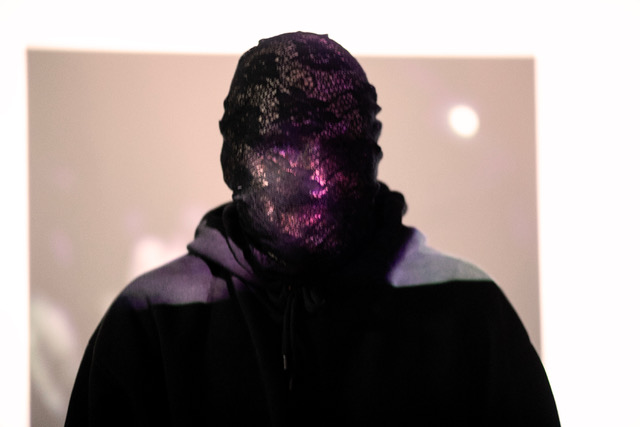
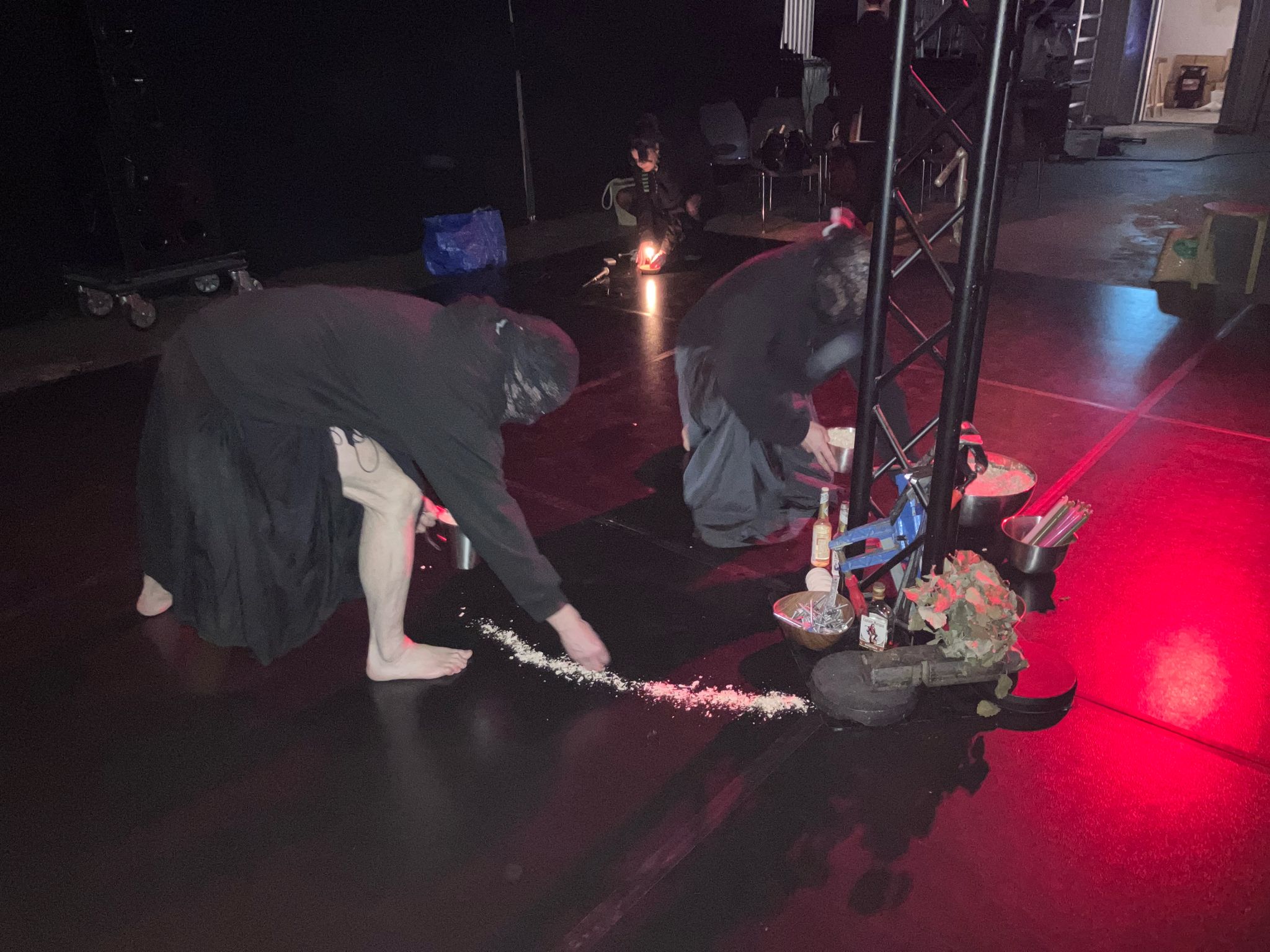
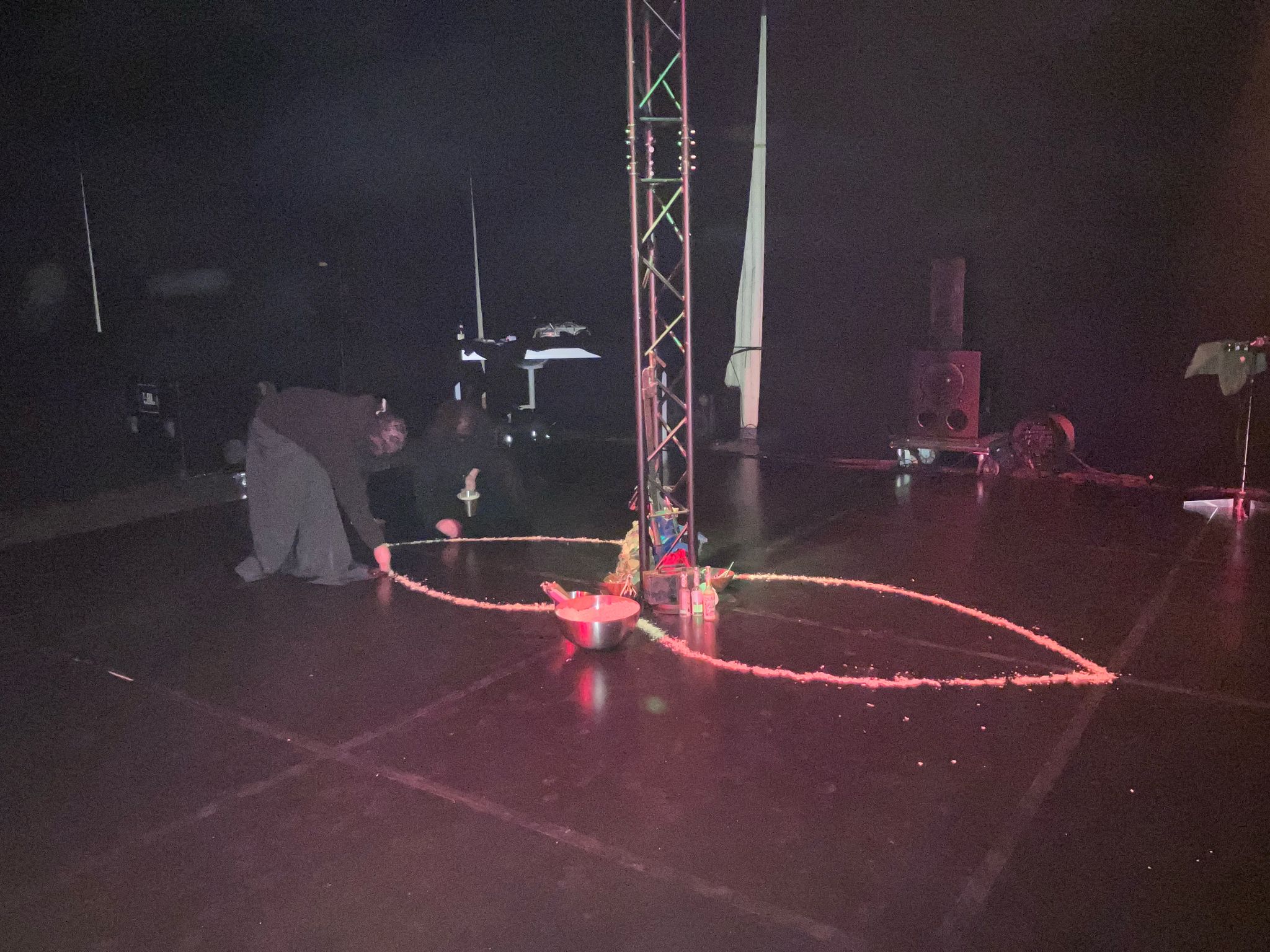
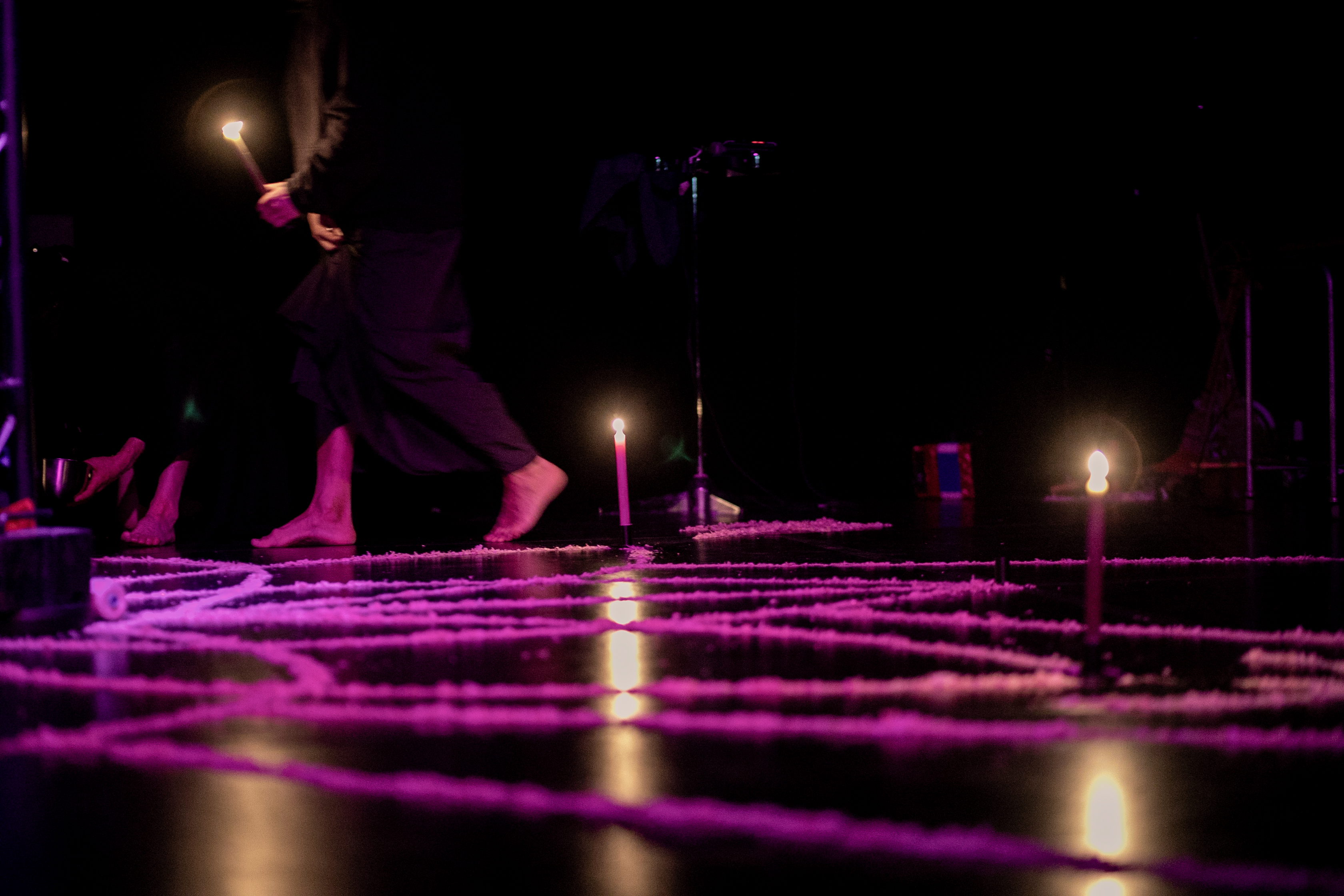
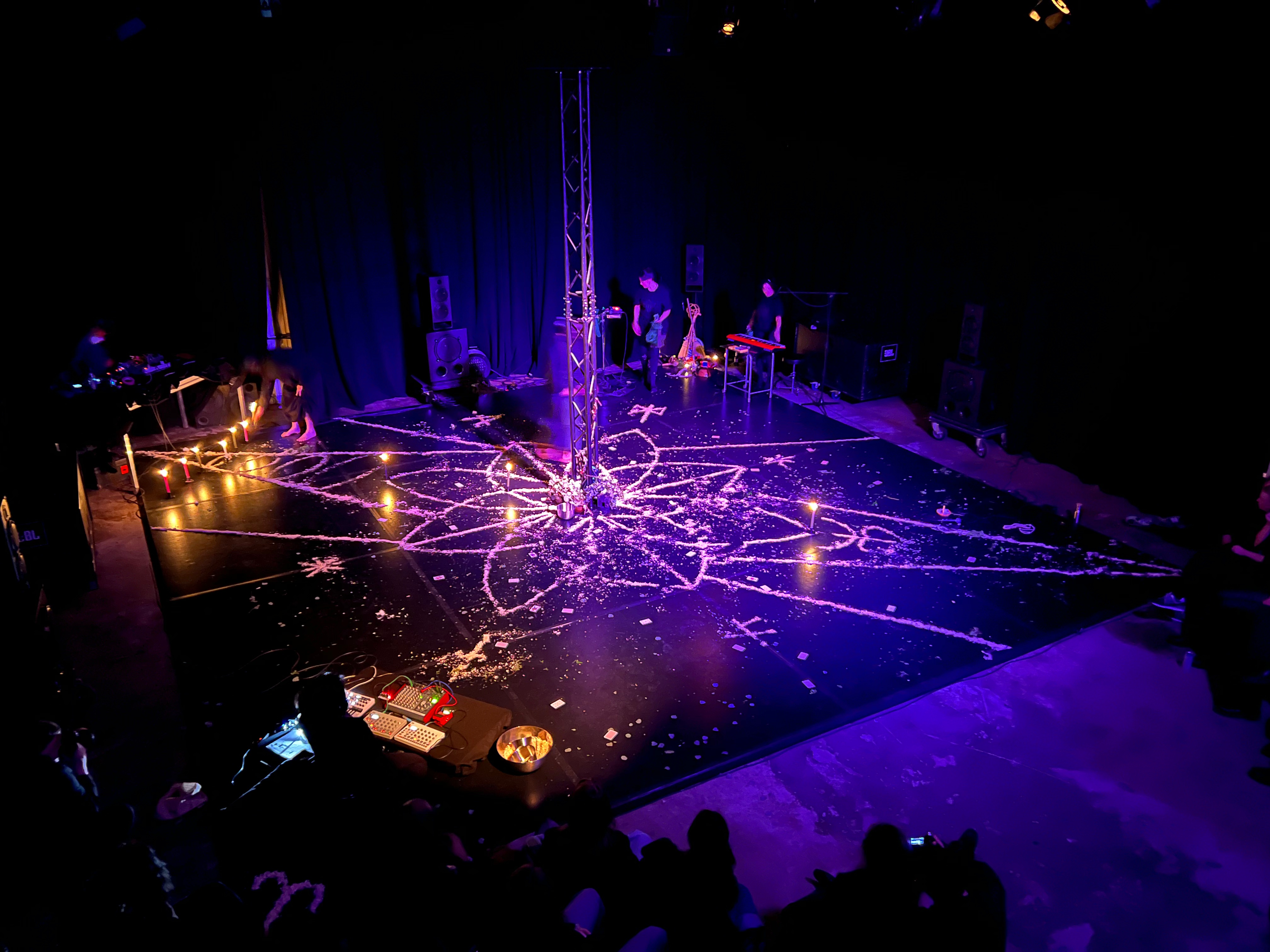
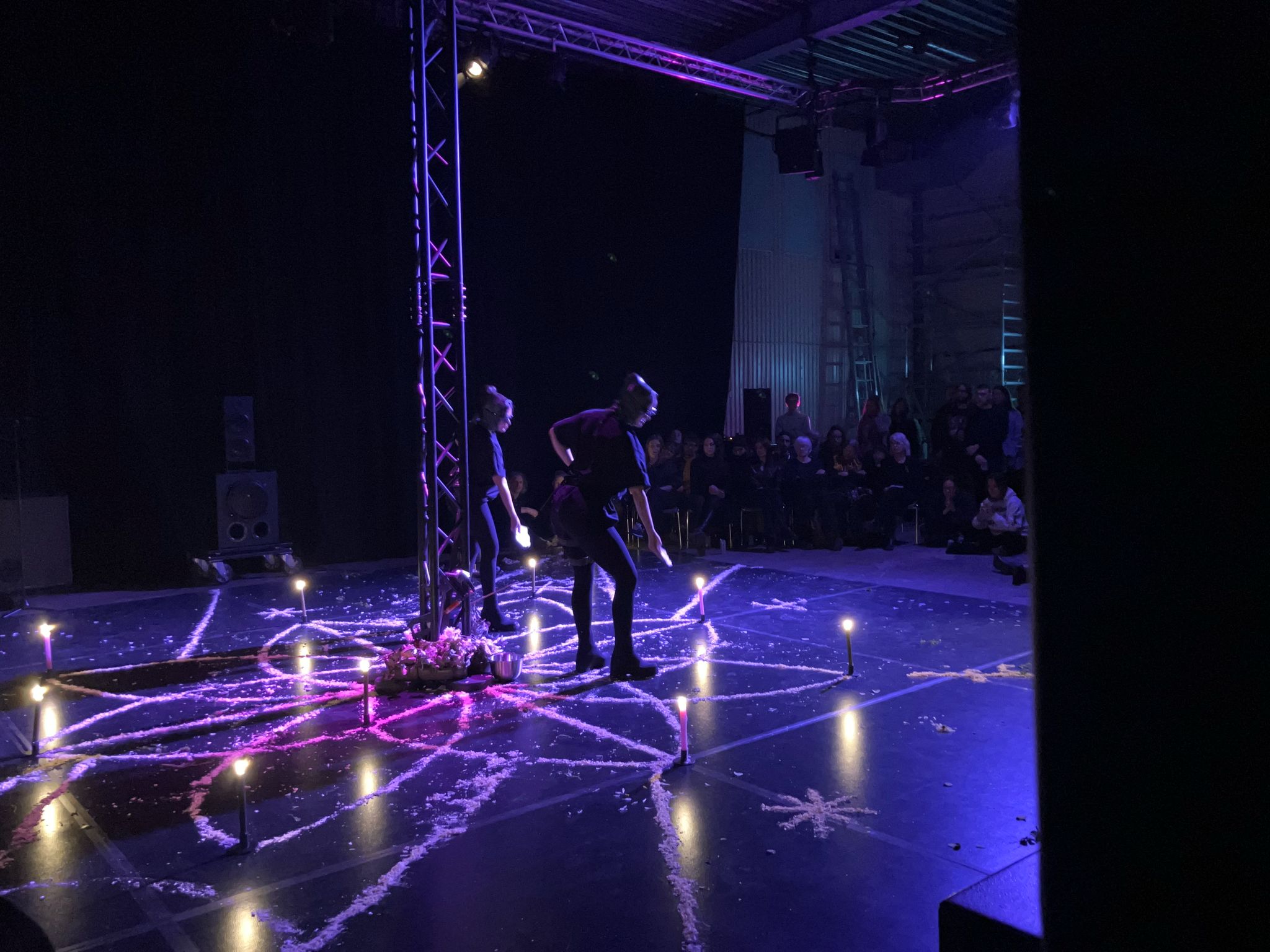
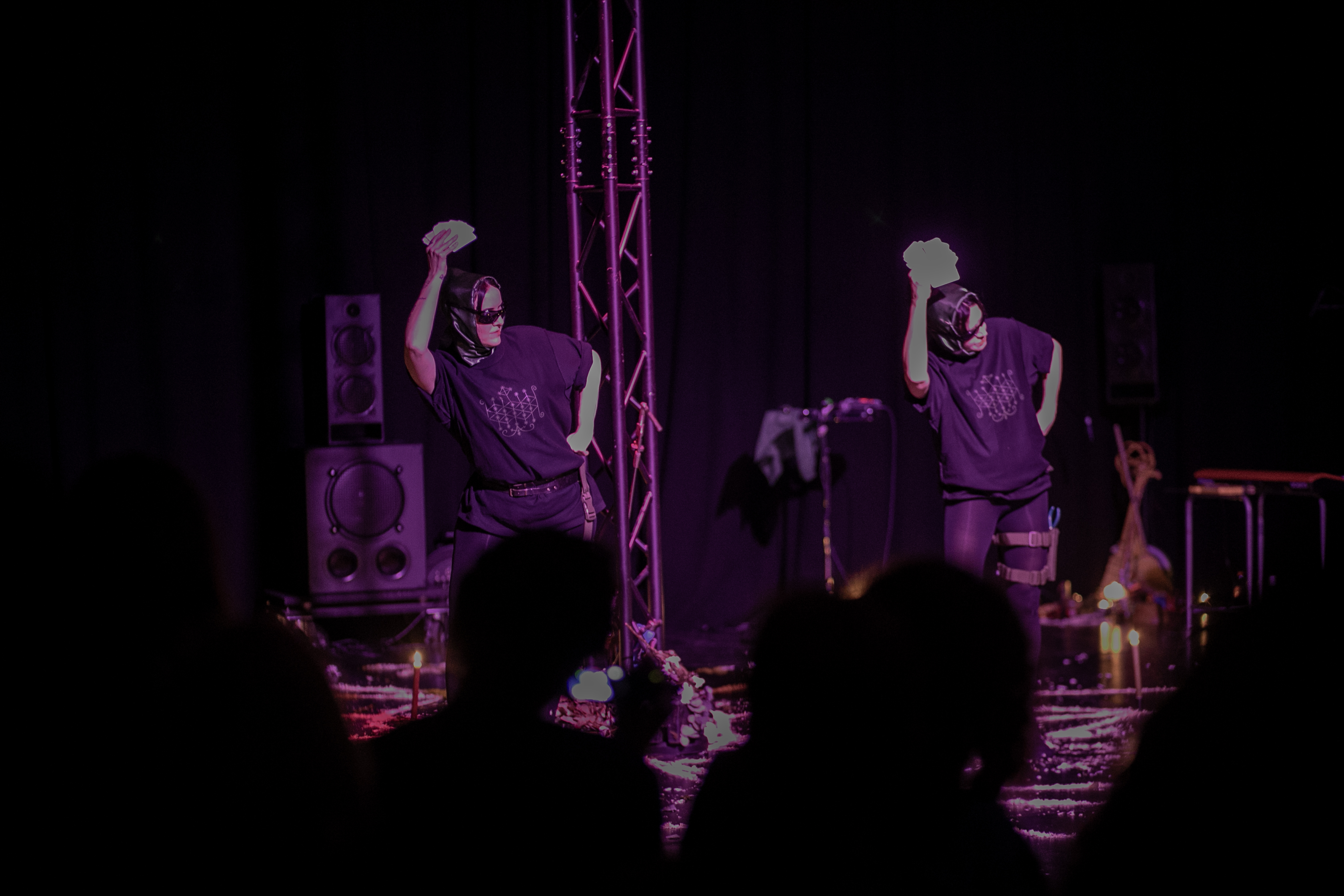
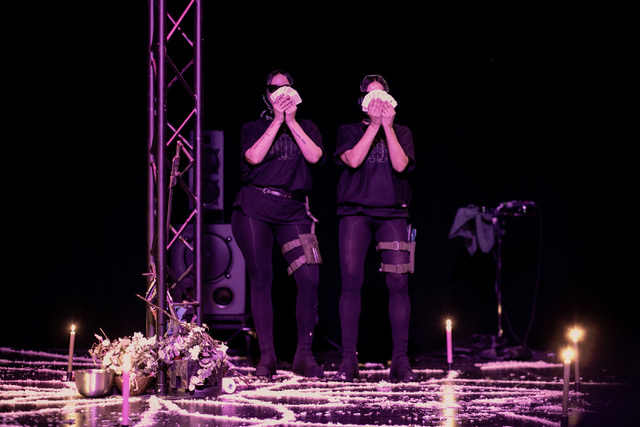
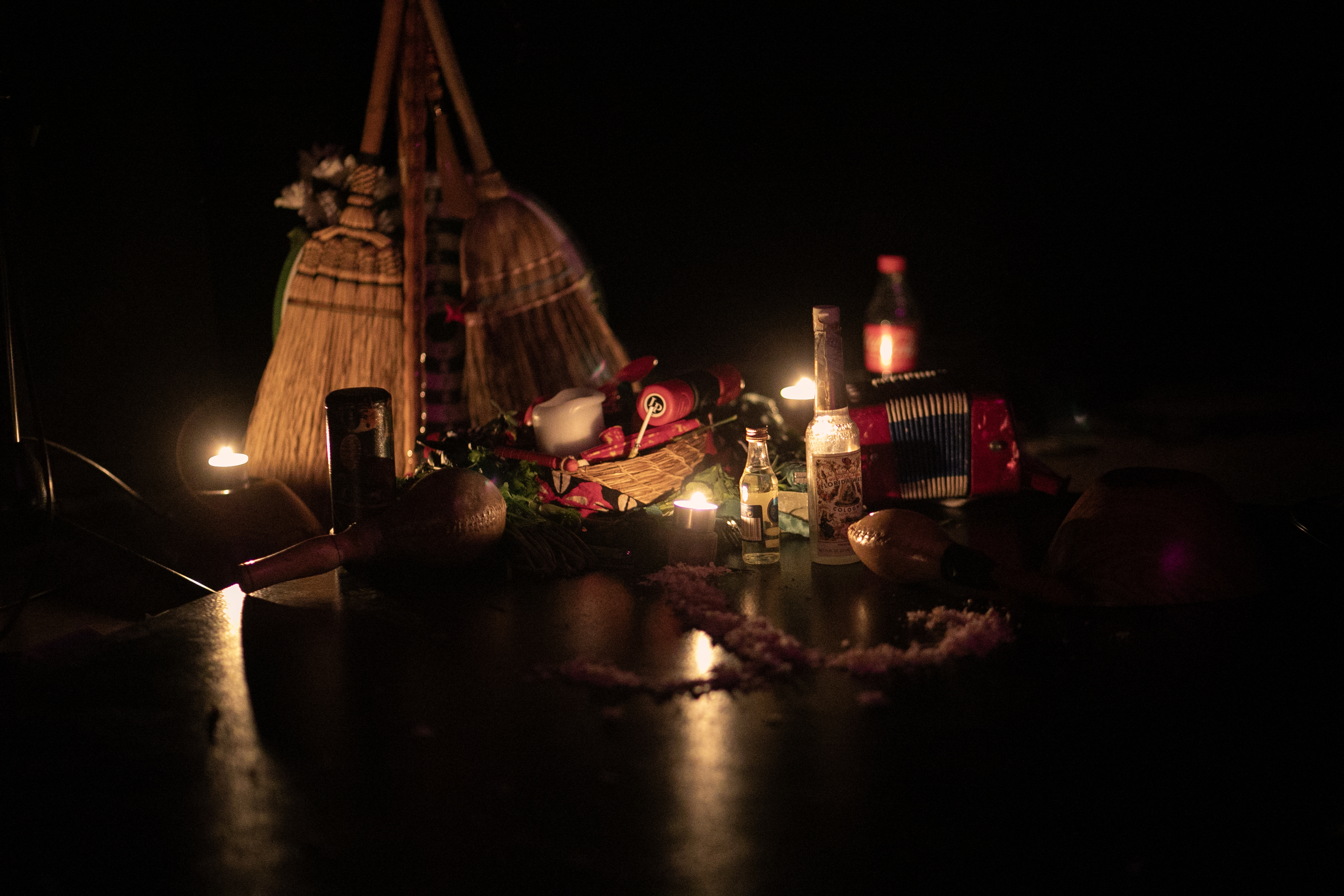
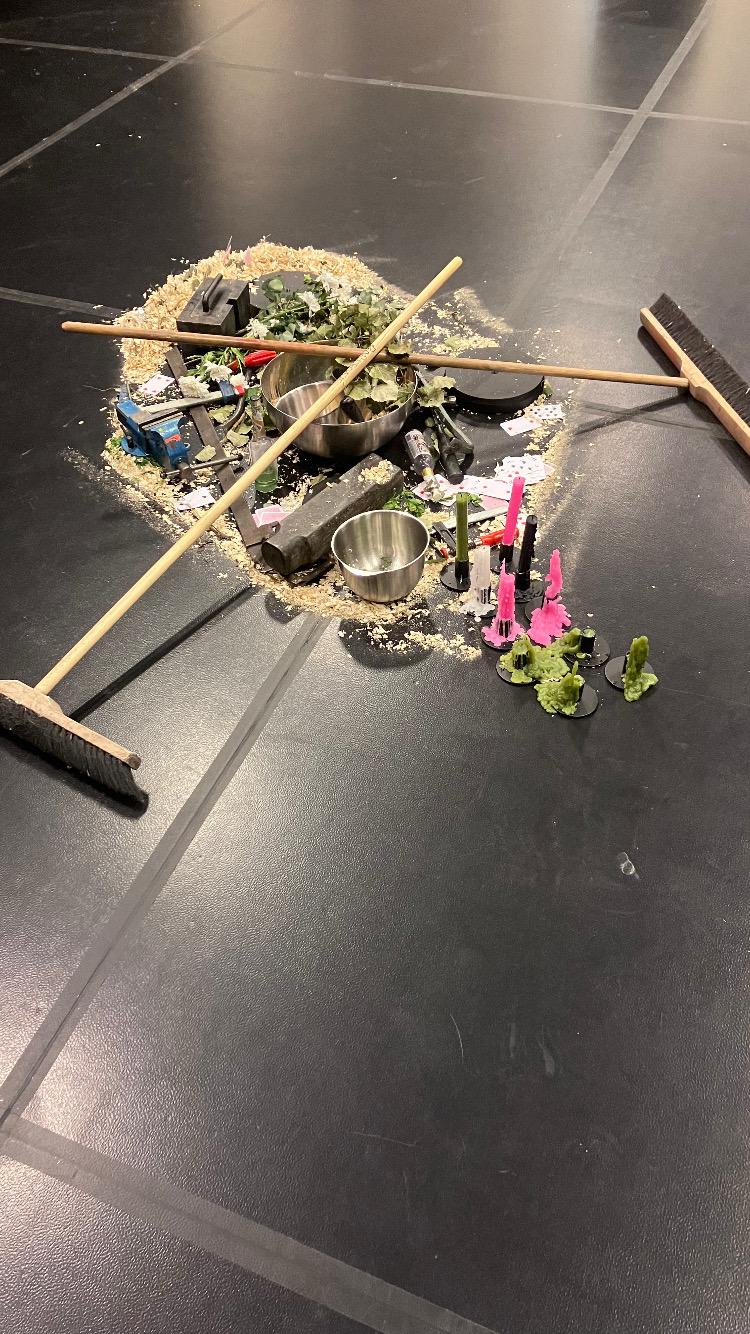
Below is documenting of the VeveXXX event at Fylkingen Experimental Music and Art Space, Stockholm, Sweden on 1st March 2025. During the performance Roberto N Peyre and I produced a ritual floor drawing dedicated to the deified Greek hero Hyacinth and the revolutionary Haitian leaders who shared that name. The drawing was accompaniment by a new sound piece created by Jean-Louis Huhta (aka Dungeon Acid). This was followed by a performance and by Lisa Janbell & Camilla Sivam (aka Dos Oké) dedicated of the Yoruba deities Ogun and Ossain, with a new sound piece created Sofia Sainio (aka Sofftronic). The video was made by Roberto, who also curated the event. Photographic documentation is by Anna Druvnik, Jean-Louis Huhta and Isa Maxe-Winter.

Drawing Analogies Book Launch and Discussion

We will be launching our book Drawing Analogies: Diagrams in Art, Theory and Practice at The Gallery, Slade School of Fine Art, UCL, Gower Street, London, WC1E 6BT on Thursday May 1st at 18.00.

The launch will be accompanied by invited academics presenting on their research and discussing diagrams with the Diagram Research Group.

The invited academics are:

  • Dr. Winnie Soon, artist & Director of UG Art & Technology (Slade School of Fine Art UCL
  • Duncan Greig, Professor of Genetics (Centre of Life’s Origins and Evolution/CLOE)
  • Martin Holbraad, Professor of Anthropology (UCL Anthropology)

Drawing Analogies is published by Bloomsbury Press as part of the ‘Drawing In’ series as a hardback book and open access publication that can be downloaded here.

There will be refreshments. For information and attendance e-mail David Burrows: d.burrows@ucl.ac.uk

NAFAE Annual Conference 2025

The NAFAE Annual Conference Culture Co-operative: Moments, Spaces, and Alternatives for Art and Cultures of Learning will be taking place in Hull on Friday 25th of April 9:30am-5:00pm at 1-2 Pier Street Kingston upon Hull HU1 1TU.

Please book your free conference ticket as soon as possible so we can provide adequate refreshments and lunch:  https://www.eventbrite.co.uk/e/nafae-annual-conference-tickets-1236278735979?aff=oddtdtcreator

The conference is facilitated by the Feral Art School, Hull’s new, independent art school.

For more Information about NAFAE and membership options go to:  https://www.nafae.org.uk/

This is Not a Diagram: Applying General Semantics to Contemporary Arts Pedagogy

I’m genuinely honoured to be giving my paper ‘This Is Not a Diagram: Applying General Semantics to Contemporary Arts Pedagogy’ at the forthcoming online symposium of the Institute of General Semantics – Communication, Consciousness, and Culture II – on Saturday 19th April. The event is free and open to all but registration is required.

For those not familiar with the discipline of General Semantics, this is the perfect opportunity to learn about it. There is an incredible line up of speakers and it promises to be a very special event.

My panel – ‘Map and Territory’ – will run from 12.30 – 13.45 pm GMT.

Exploring Generative AI in the Arts: Insights from GenAI Lunchtime Sessions

Here is a recording of the talk I gave at the GenAI Lunchtime sessions to colleagues at the University of Worcester in February this year. In it I speak about the use of generative AI tools in the arts, differing definitions of ‘intelligence’ and ‘creativity’ in the arts and tech worlds, and the uneven impact of Generative AI tools on different creative fields. I also give a brief introduction to the ideas of accelerationism and transhumanism, and make a case for aligning studio arts education with creative health. It’s a 30 minute talk.