NAFAE Annual Conference 2025

The NAFAE Annual Conference Culture Co-operative: Moments, Spaces, and Alternatives for Art and Cultures of Learning will be taking place in Hull on Friday 25th of April 9:30am-5:00pm at 1-2 Pier Street Kingston upon Hull HU1 1TU.

Please book your free conference ticket as soon as possible so we can provide adequate refreshments and lunch:  https://www.eventbrite.co.uk/e/nafae-annual-conference-tickets-1236278735979?aff=oddtdtcreator

The conference is facilitated by the Feral Art School, Hull’s new, independent art school.

For more Information about NAFAE and membership options go to:  https://www.nafae.org.uk/

This is Not a Diagram: Applying General Semantics to Contemporary Arts Pedagogy

I’m genuinely honoured to be giving my paper ‘This Is Not a Diagram: Applying General Semantics to Contemporary Arts Pedagogy’ at the forthcoming online symposium of the Institute of General Semantics – Communication, Consciousness, and Culture II – on Saturday 19th April. The event is free and open to all but registration is required.

For those not familiar with the discipline of General Semantics, this is the perfect opportunity to learn about it. There is an incredible line up of speakers and it promises to be a very special event.

My panel – ‘Map and Territory’ – will run from 12.30 – 13.45 pm GMT.

Reimagining Arts Education: From the Education of the Senses to Creative Health

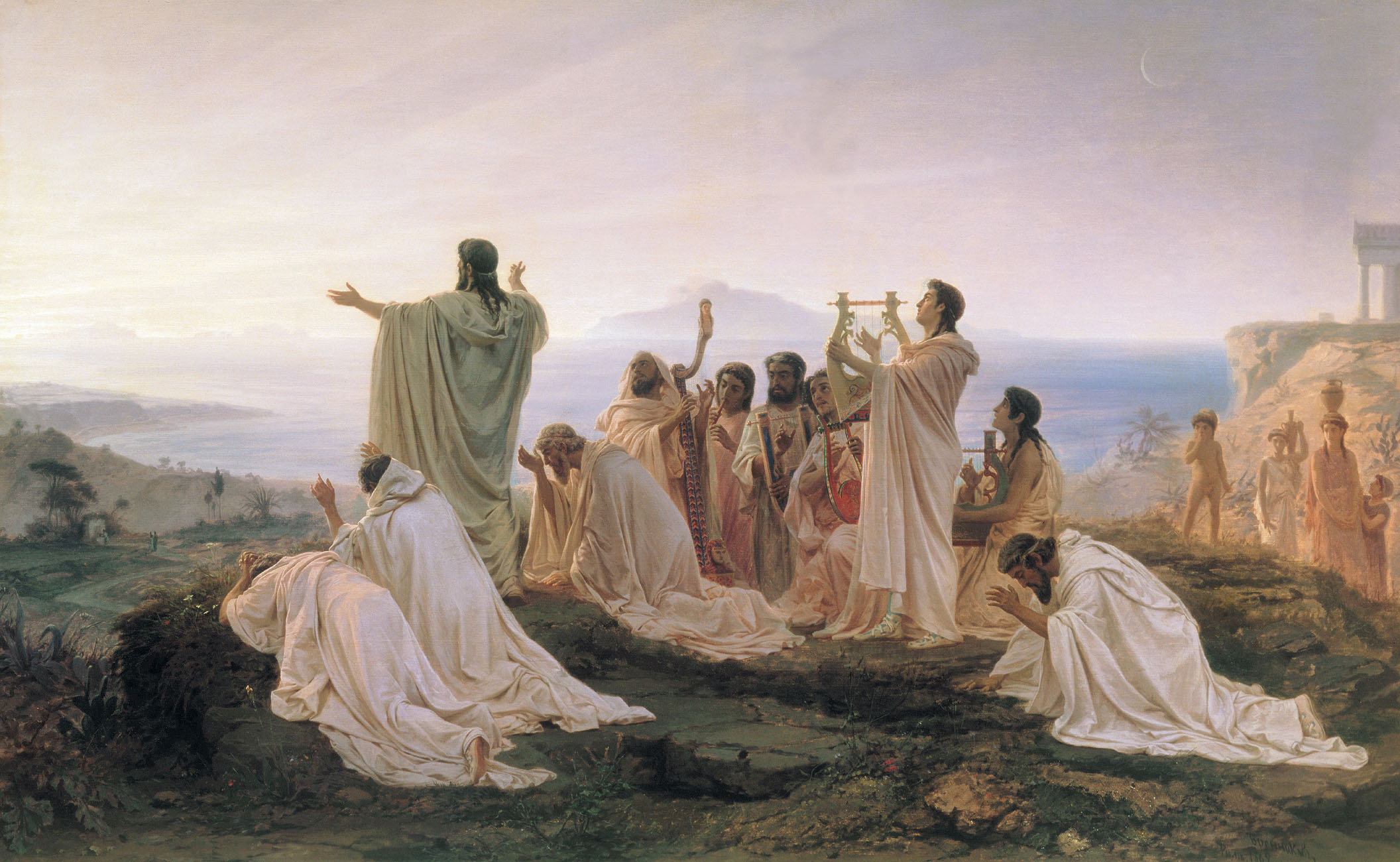
Fyodor Bronnikov Pythagoreans Celebrate the Sunrise 1869

Below is PDF of my presentation ‘Reimagining Arts Education: From the Education of the Senses to Creative Health ‘ which I gave at the Have Some Imagination: Towards a Manifesto for Arts Education conference at the Baltic Centre for Contemporary Art in Newcastle in February.

Re-Imagining Aesthetic Education for Creative Health

I will be presenting my paper ‘From the Education of the Senses to Creative Health: Re-Imagining Aesthetic Education for the 21st Century’ at the Northern School of Contemporary Dance’s annual conference ‘Igniting Creativity’ on the 8th of January in Leeds. Tickets for the event can be booked here and you can see the schedule here.

Here’s a summary of what I’ll be addressing in my talk:

‘Contemporary British culture is wrought with seemingly intractable economic conflicts and social inequities, particularly in the areas of education, health and the arts. Yet despite poor prospects of future financial rewards, young people still choose creative arts degrees all over the UK.

The values that bring young people into arts education – improving mental health, meaning, non-conformity, play, self-expression, social critique, social justice – have all been embedded in the arts since the beginning of 20th century, but they fall outside accountable metrics of the socio-economic good.

Paradoxically, as regional arts programs struggle to survive, the government’s Creative Health agenda is gaining national momentum. Is there a way for us to revitalise the 19th century ideal of art as an “education of the senses”, reconnect it to the broader project of improving individual and social wellbeing though increased sensory awareness and embodied cognition, and align it more closely with Creative Health?’

I will also be involved in workshops and discussions led by Friends of the Future, a newly established community interest company supporting, educating and offering connection to mental health professionals and community artists who are providing creative activities to individuals and communities in and around the Yorkshire region. We will be launching our website at the event.

NAFAE Annual Conference 2024: The Art of Resistance | UCA Canterbury, Kent

This year’s National Association For Fine Art Education Conference – The Art of Resistance – will take place at UCA Canterbury on Wednesday September 4th from 10.00 – 16.00. Tickets are free but places are limited. You can reserve your place here.

NAFAE has put aside a small amount of reserve to assist with travel costs for those colleagues who may have concerns about the expenses associated with the conference. To enable this first book your place via the link above and then submit a request for assistance to admin@nafae.org.uk before Wednesday August 14th. NAFAE will pay agreed reimbursements at the conference in September.

Generative AI and Arts Education: The Case of Fine Art

Here is the presentation and talk I gave at the Homo ex MachinAI conference in Athens on April 12th.

Thanks to Aspasia and Theo for all their hard work organising the conference and for inviting me to speak. Thanks also to the Benaki Museum for hosting such a timely and important debate. I will be speaking as an artist, writer and arts educator who has taught fine art studio practice and contextual studies for many years. I currently run the BA Fine Art and BA Fine Art with Psychology at the University of Worcester where I also lead the Arts and Health Research Group. I won’t be speaking about the latter today, but it informs my perspective on the impacts of generative AI tools on arts education and creativity more generally, particularly in relation to the mental and physical health effects of ubiquitous computing and on-line media environments within which generative AI developed and operates.

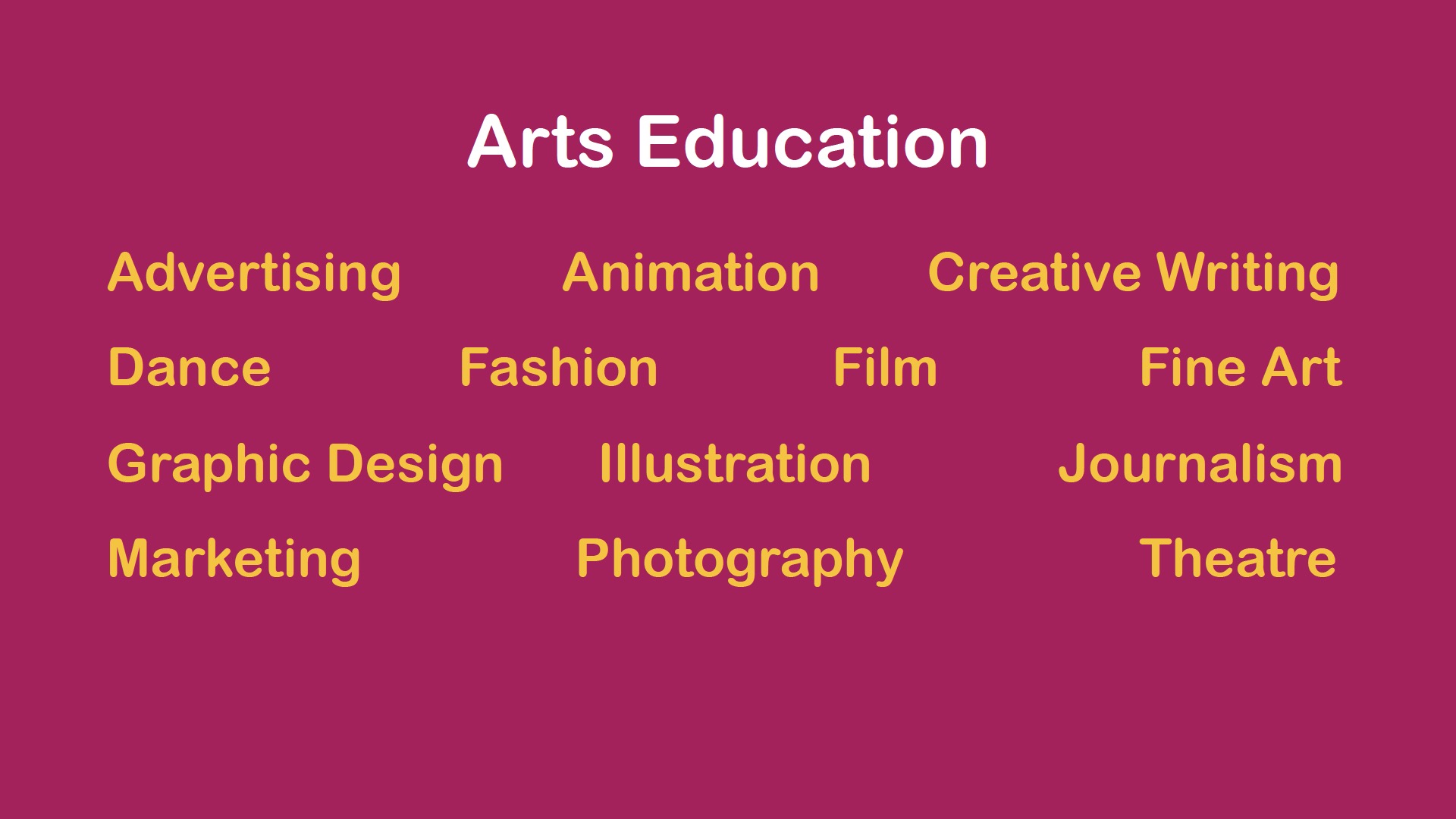
This is a list of the kinds of courses taught at a contemporary art school or university. It’s not comprehensive. It could include architecture, game art, interior and spatial design, printmaking, textiles and many others. The point is to show that ‘creativity’ is not a homogenous concept that can be generalised for all the arts. Every art has its own unique history, set of practices, understandings and outcomes. Because of this diversity, generative AI tools will not effect all teaching programs in the same way or to the same extent. Much depends on how teaching is tied to changes within the existing creative and professional fields it leads to.

Broadly speaking, teaching for professional fields already impacted by generative AI tools will be shaped most significantly. These include animation, commercial photography, film, game art, graphic design, journalism and marketing. This does not mean that learning traditional studio skills in these areas will become redundant. On the contrary, the successful artistic application of AI tools will depend on the technical experience, cultural knowledge and aesthetic discernment of its users. On the other hand, those arts more closely aligned with manual craft skills, individual authorship and the production of unique, physical artefacts made to be experienced in person, in real time and with all the senses, are less likely to be impacted as rapidly or significantly in the longer term. These include ceramics, dance, fashion, fine art, literature, performance, textiles and theatre.

The use of generative AI tools in an increasingly hybrid teaching environments, a trend amplified by the Covid lockdowns, will however be significant for all our programs. With students now regularly using AI-enhanced learning, research and writing tools, and universities moving towards AI-assisted grading and feedback systems, AI tools will play a transformative role in how teaching, administration and management in Higher Education is conducted, understood and regulated in the near future, regardless of what is being taught. I will be focussing here on my own field: Fine Art. Colleagues teaching in other areas will have their own particular stories to tell.

Continue reading “Generative AI and Arts Education: The Case of Fine Art”