I will be giving an online talk about the art of Beau Dick for the The Last Tuesday Society at 7.30 pm on Wednesday 19th January. Tickets are available here.
A hereditary chief and master carver from the Kwakwa̱ka̱ʼwakw (Musgamakw Dzawada’enuxw) First Nation, Beau Dick was one of the most prominent and influential First Nations artists before his untimely passing in March 2017. His powerful sculptures, firmly rooted in the ceremonial culture of his ancestors, bridge the worlds of contemporary art, the potlatch traditions of the First Peoples of the Pacific North West and environmental activism.
Beau Dick and the Raven Transformation Mask Danced at the inaugural potlatch of Chief Alan Hunt, Fort Rupert, September 2016 (Courtesy Grégoire Dupond)
In the talk I will discuss Beau’s work in relation to the gift-giving, title-conferring and theatrical ceremonies that connect several First Nation groups in the Pacific Northwest, the legends behind some of his most powerful works and Beau’s copper-breaking actions against the Canadian government in 2013 and 2014
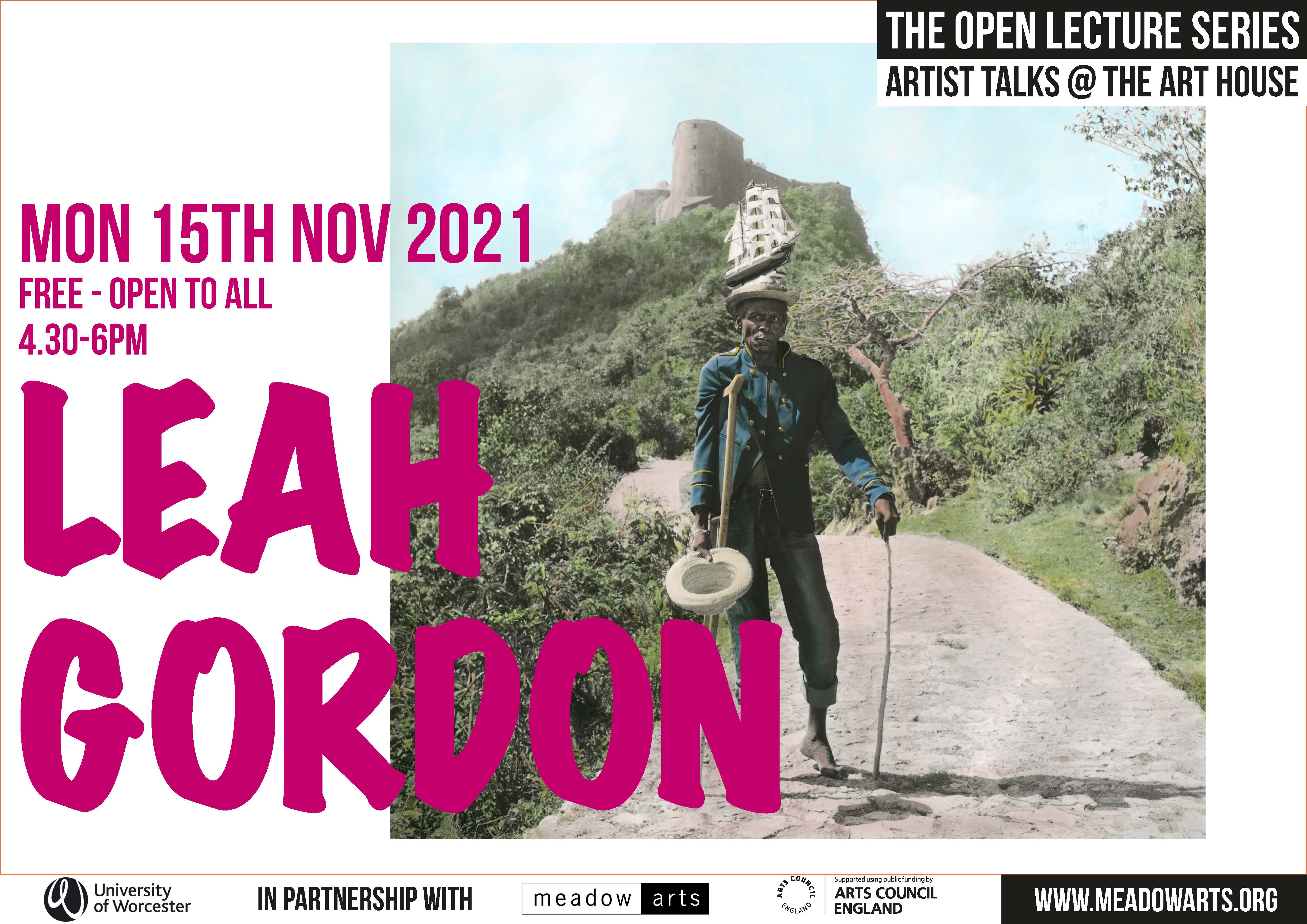
I’m very excited to be hosting an artist talk by Leah Gordon at the Art House in Worcester on Monday November 15th at 16.30. This will be an in-person talk to which the public is invited. It will also be live-streamed via the internet. To access the stream please book here. The talk is free.
For those of you who don’t know Leah’s work she is the co-curator of the Ghetto Biennale and an artist, photographer and writer with an impressive list of works, curated exhibitions, and books on her CV.
She is currently working on a project with Annabel Edwards called Monument to the Vanquished commemorating the peasants revolt, resistance to the enclosures acts and historical urban and rural rebellions in the UK.
The third Fiction Machines event, organised by The Centre for Media Research at Bath Spa University, will take place this Thursday, July 1st, between 6 and 9 pm. The event is free and you can book your place here.
I will be presenting a proposal for a posthumous novel by Philip K. Dick written by an Artificial Intelligence.
Other speakers at the event will be Ami Clarke, Tony D. Sampson, Maud Craigie, Andy Weir, Distributed Cognition Cooperative (Anna Engelhardt, Sasha Shestakova), Richard Carter, Mikey Georgeson, Ada Hao, Harry Meadows and Charlie Tweed.
Documentation of the first Atlakim (Dance of the Forest Spirits) performance outside of British Columbia, curated as part of the Pine’s Eye exhibition in Edinburgh in February 2020.
The event is introduced by Patricia Nolie who tells the story of the Atlikima. She explains how the dances, which are passed down hereditary generations through treasure boxes, allow participants to enter into the world of the ancestors. The Atlakim dance is part of Hereditary Chief William Hawkins Box of Treasures and was performed by ten members of the Kwakwaka’wakw Nation.
Hereditary chief Alan Hunt introduces the dance in song, blessing the floor and guests with white feathers before leading the dance with his drum and voice. After the first sequence of dances Alan explains some of the sacred and cosmological aspects of the dances and the hereditary, marriage and naming traditions of the Kwakwaka’wakw houses and clans. Later Alan tells the story of Baxbakwalanuxsiwae, the man-eater at the North End of the World, whose story is central to the Hamatsa tradition. Alan and Patricia then explain the importance of the central fire for potlatch ceremonies in the Big House.
Alan and Patricia are both members of the Hamatsa secret society whose regalia they wear.
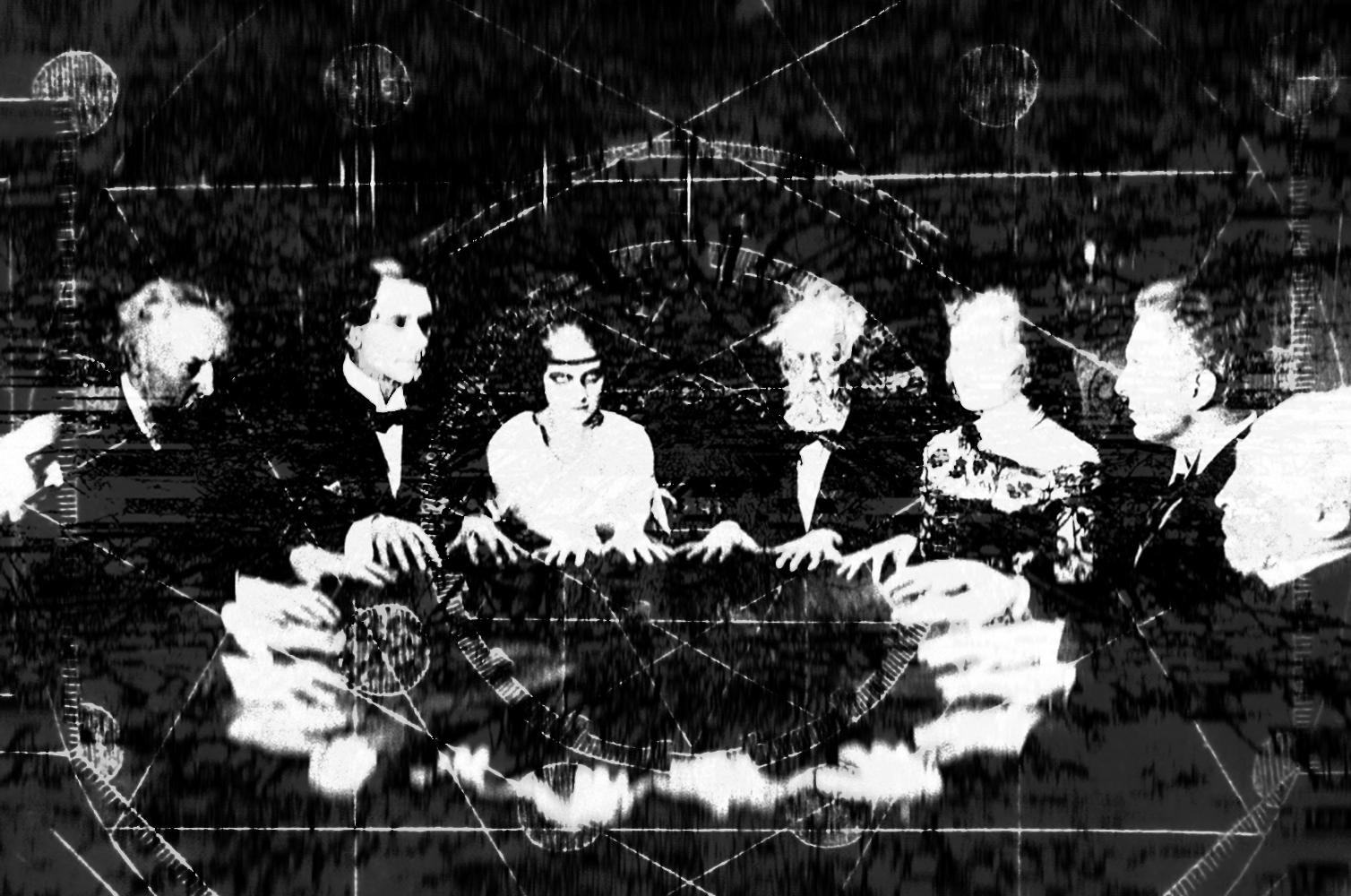
This talk was given at Space Studios, Hackney in May 2019 as part of the Morphologies of Invisible Agents exhibition organised by SMRU (Social Morphologies Research Group).
In it I draw out correlations between Philip K. Dick’s VALIS revelations; the significance of the Ichthys symbol; temporal rupture and paranormal communication; insatiable hunger; the rites of the Hamatsa; and inter-species cannibal kinship.
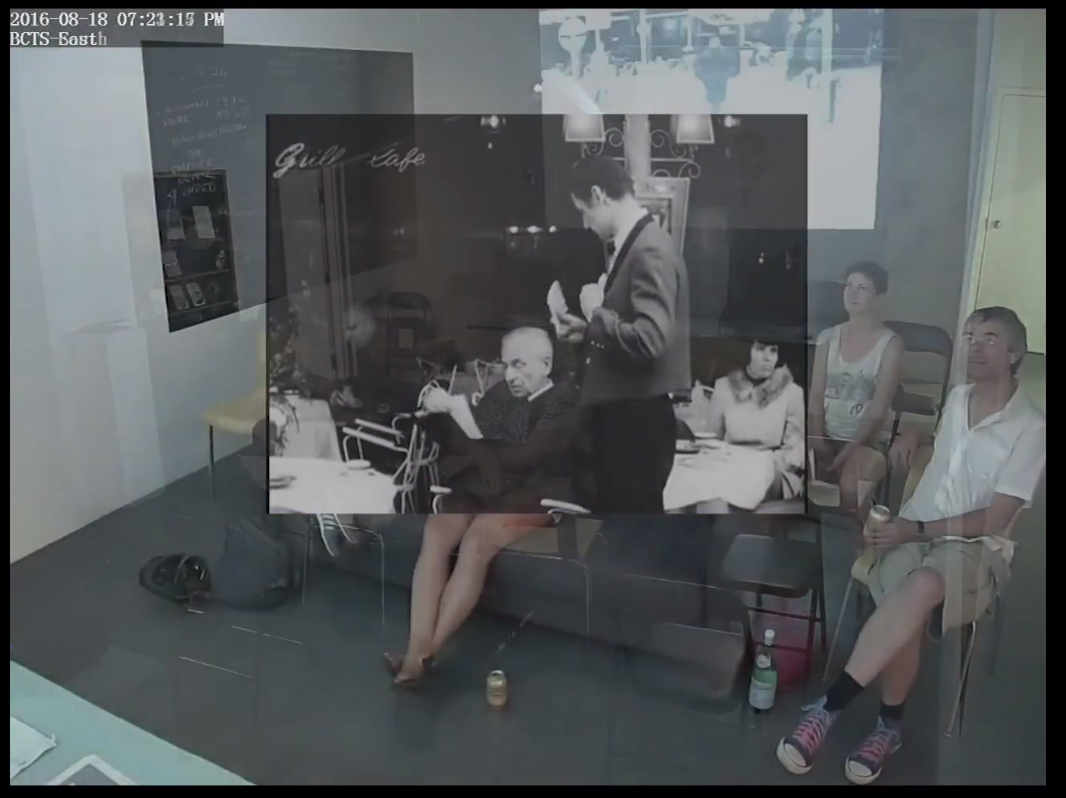
This is the second half of a talk I originally gave during the BC Time-Slip residency at Dynamo Arts Association, Vancouver in August 2016.
I was very happy to have conversation recently with J G Michael on his excellent podcast Parallax Views. J.G. asked some excellent questions that allowed us to dig deeper than usual into the historical, psychological and contemporary political implications of the zombie complex.
In it we discuss conceptions of the soul in Haitian Vodou; its role in the revolution and later suppression; primitivism, negrophilia and the romance of revolutionary Vodou amongst avant-garde intellectuals; George Bataille’s ideas about revolutionary violence, excess and General Economy; the notion of somnambulistic trance in debates about cinema and mass media; Papa Doc Duvalier’s political use of Vodou during the dictatorship; and US-UK anti-Vodou Black Ops in the 1940’s and Cold War .
It was good to be drawn into a theoretical discussion about J.G’s interview with Frank B. Wilderson III, author of Afropessimism, and to air some grievances about Wade Davis, author of Serpent and the Rainbow (1985).
I’m very happy to have a series of readings on the Sonospheric Corpse edition of the Film Jivepodcast. The texts, first published in Frozen Tears, came from diary fragments written in Williamsburg after six months travelling in Mexico researching the Narco-Satanicos cult.
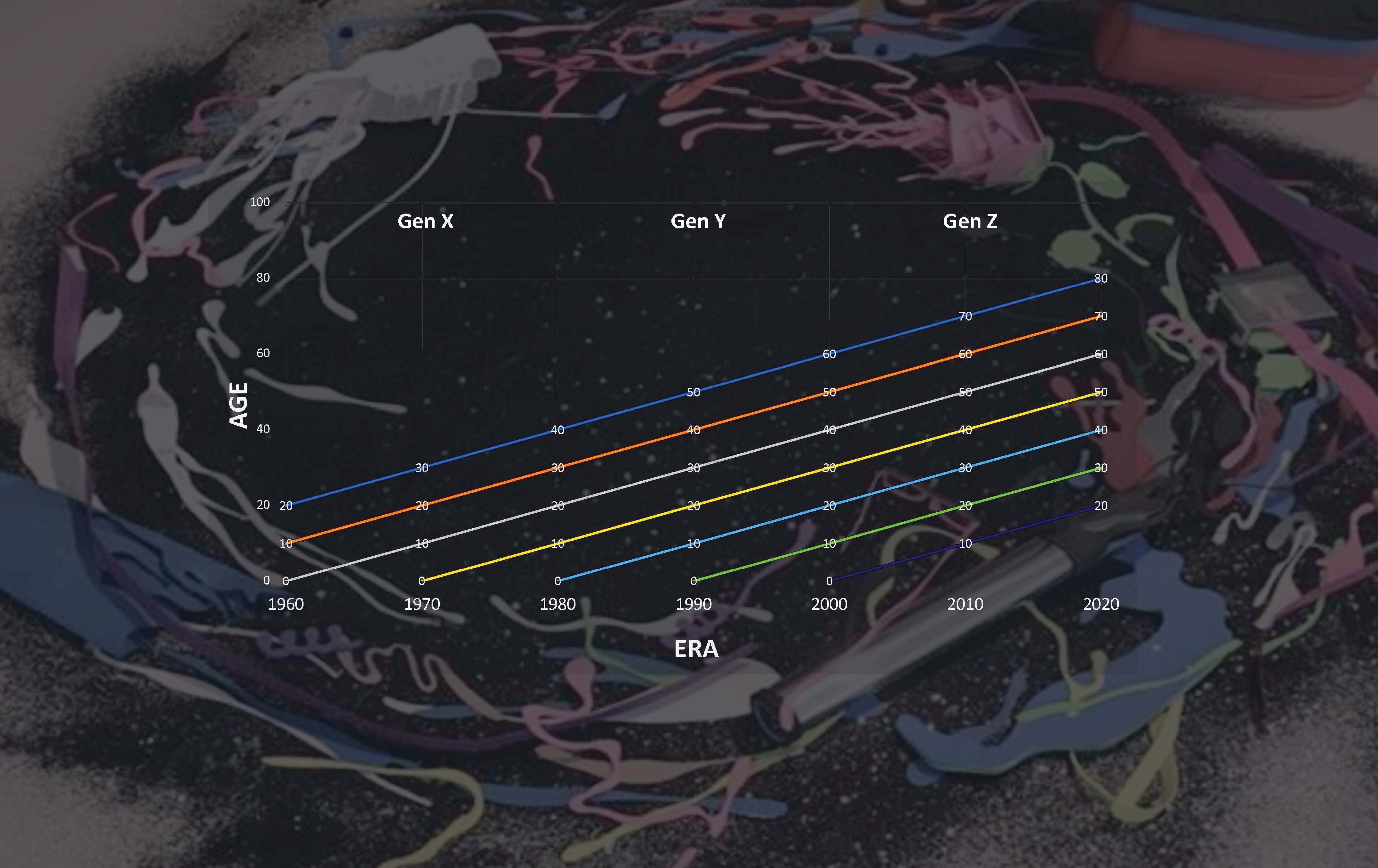
Image: David Burrows, Detail of ‘Diagram of the Event Horizon of a Black Hole (following Susskind’s Holographic Theory): Blind Date Implosion’ (2018) combined with John Cussans’ Inter Generational Matrix (no date).
Diagram Research Group (DRG) – David Burrows, John Cussans, Dean Kenning and Mary Yacoob – are currently undertaking an online residency at Flat Time House (F T I-Io), the former home and studio of the artist John Latham, now his archive and a gallery space.
During the one month residency we will conduct four illustrated online discussions that explore our interests in diagrams in relation to Latham’s ideas about flat time, the unification of scientific and artistic bodies of knowledge and the primacy of time and event (rather than space and matter).
Each session will be led by one member of the group and form part of an ongoing, illustrated online conversation, the documentation of which will be added each week to the Delta (Δ) Research Placement site.
In my session I will discuss Latham’s 20th century art-science convergence diagram in relation to a general shift in artistic consciousness from the 1950’s onwards from material object to temporal event; problems of temporal-historical consciousness within art, art history and art education; and parallels between Latham’s thought and practice and that of Alfred Korzybski, founder of General Semantics and author of Science and Sanity (1933).
Schedule
DRG Event I: David Burrows Dwelling Place for Thought/ Plane of the Least Event
‘Some of the grandest and most overwhelming creations of art are still unsolved riddles to our understanding. We admire them, we feel overawed by them, but we are unable to say what they mean to us.’
Sigmund Freud The Moses of Michelangelo (1914)
Context
I’m currently drafting a lecture series for BA Fine Art and Fine Art with Psychology students at the University of Worcester connecting concepts of art, psychology and society. So I was very happy when Tanya Carpenter and Luke Devine, two colleagues from the psychology and politics departments respectively, invited me to contribute an online lockdown lecture on Freud, Psychoanalysis and Culture during the suspension of campus activities in Summer 2020. It gave me the opportunity to draw out, in broad brushstrokes, the importance of Freud for 20th century art and the psychological aspects of its interpretation.
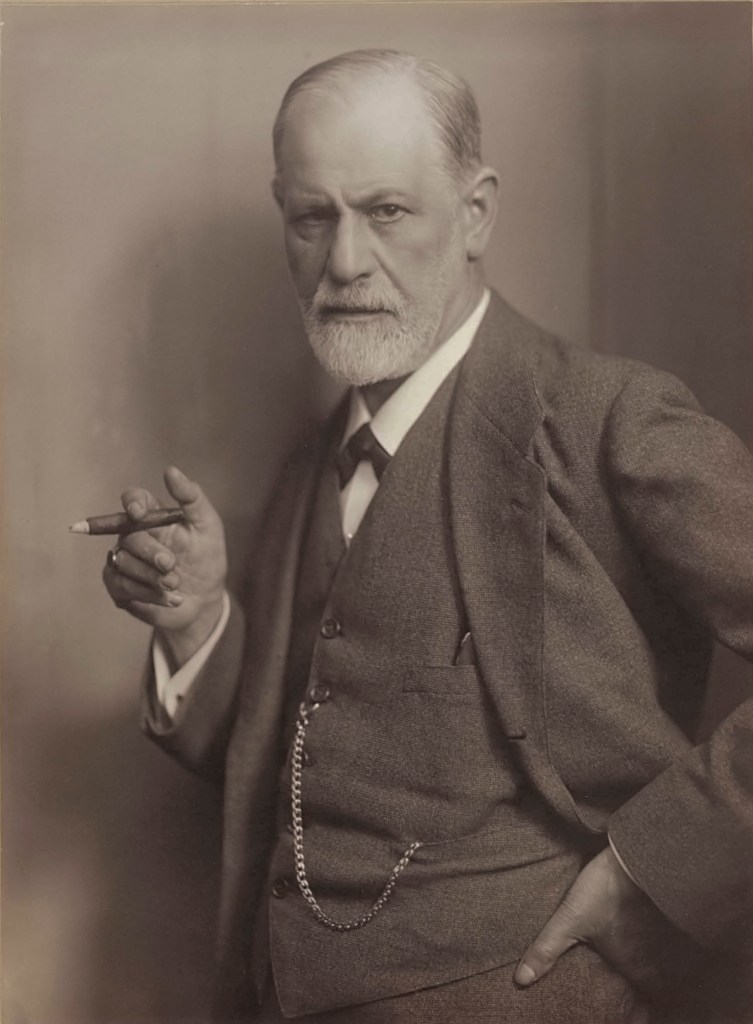
Photo Max Halberstadt (1932)
Arguably no individual psychologist had a greater impact on modern art than Sigmund Freud, especially during its formative phase at the beginning of the last century. Although Freud’s influence on the visual arts began to wane by the 1950’s as the Modern gradually gave way to the Contemporary, the legacy of psychoanalysis has remained strong in the fields of art theory and criticism and the traditions that have defined them (notably deconstruction, feminism, Frankfurt school critical theory, Marxism, post-colonial theory, semiotics and structuralism). In the 1980’s, when in UK art schools these discourses came to be collectively known as Theory, no critical studies program would have been complete without at least one lecture on Freud and psychoanalysis.
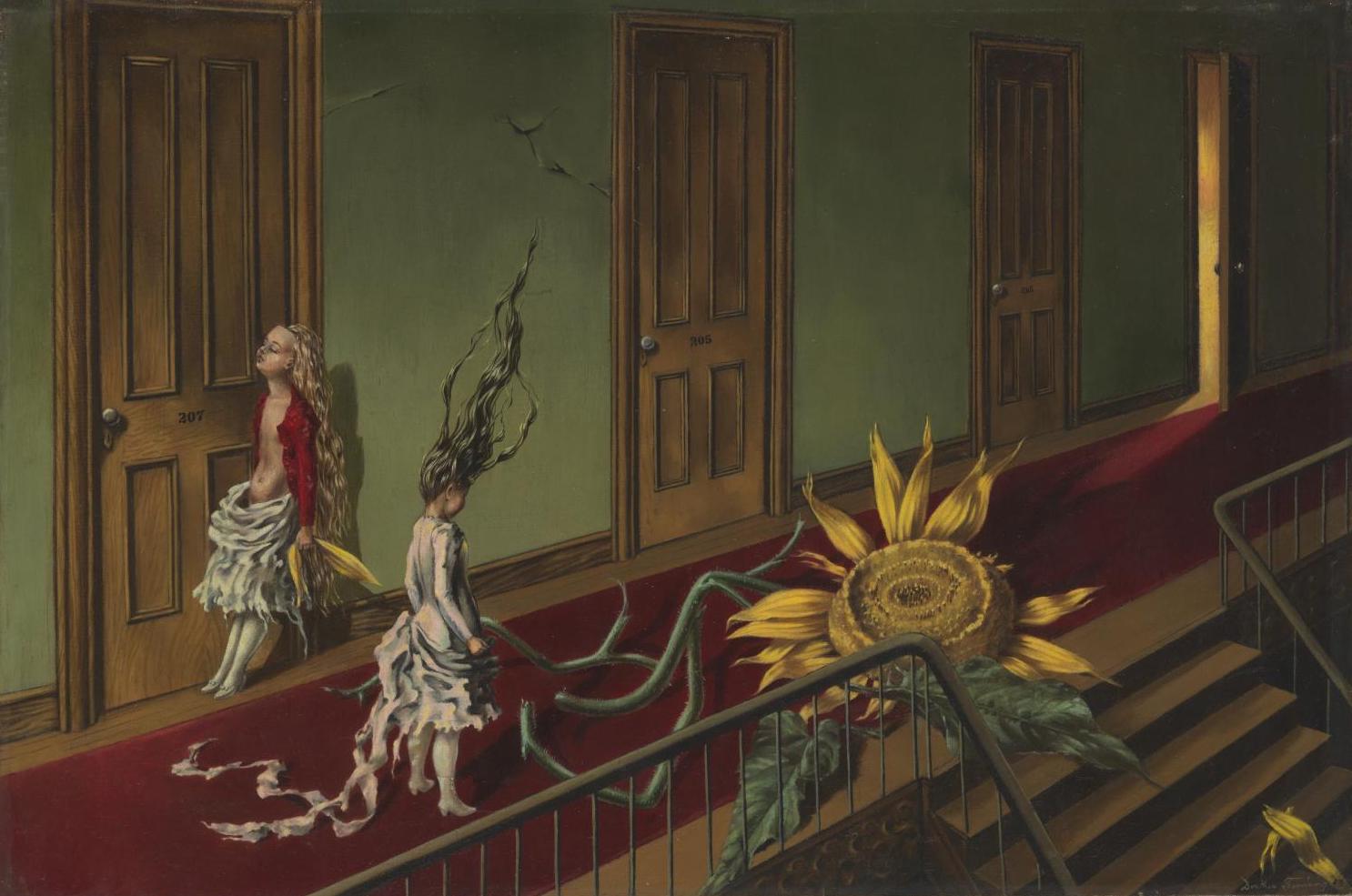
Eine Kleine Nachtmusik (1943) Dorothea Tanning
The influence of psychoanalysis on Surrealism is well known to anyone with an interest in 20th century art. My personal journey into art and theory began when I saw reproductions of the paintings of Salvador Dalí, Giorgio De Chirico, René Magritte and Dorothea Tanning in the art room of my secondary school. In the same books as these images I read about psychoanalysis, Sigmund Freud and his disconcerting theories about childhood sexuality, repression and the unconscious mind. Ten years later I found myself writing a PhD thesis on Georges Bataille, a writer whose work was entangled in the turbulent birth of Surrealism in Paris during the 1920’s and 30’s, and who, like several of his Surrealist colleagues, had entered into psychoanalysis at that time.[1]
My own research keeps returning to the intellectual milieu of Paris in the 1930’s, a period of intense artistic, philosophical and political ferment in which several important figures in the ensuing decades of French cultural life were embroiled.[2] The 30’s began with the Paris Colonial Exposition in response (to which the Surrealists staged a counter exhibition The Truth about the Colonies) and the first Dakar-Djibouti ethnographic mission to Africa (for which Bataille’s close friend and fellow Surrealist Michel Leiris was archivist and secretary). The decade saw the consolidation of Soviet Communism under Stalin; the rise of Hitler and National Socialism in Germany; the Degenerate Art exhibition in Munich; the beginning of WWII and the occupation of France by the German army. All were events that Bataille and his Surrealist colleagues attempted to understand from artistic, psychoanalytic, religious and sociological perspectives.[3]
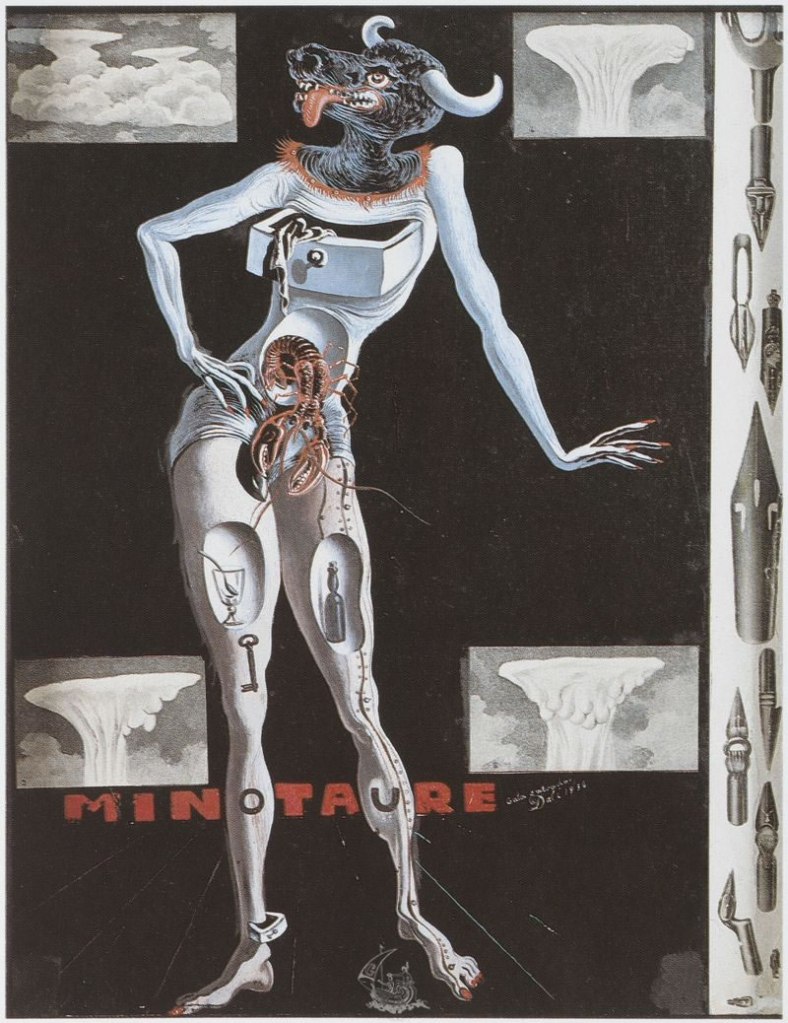
Cover of Minotaur #8 (1936) Salvador Dali
My current interest in correlations between art, environmental psychology, inter-species communication and what I have elsewhere called paranoid critical theory, are lines of inquiry seeded by writings first published in Surrealist art journal Minotaur in the 30’s. The most important of these is Roger Caillois’ essay ‘Mimicry and Legendary Psychasthenia’ which combines reflections on insect mimicry, psychopathology and sorcery.[4] Caillois’ attention to the trans-disciplinary potential of surrealist insight was shared by the influential French psychoanalyst Jacques Lacan, whose essay ‘The Problem of Style and Paranoid Forms of Experience’ was published in Minotaur in 1933, and Salvador Dali, who outlined his paranoiac-critical working method in the same journal.[5] Lacan’s famous formulation of the mirror phase, which was to have a profound influence on cultural and critical theory from the 1960’s, was directly informed by Caillois’ ideas.[6] Lacan’s puzzling writing and lecturing style, with its tautological word plays and convoluted conceptual formula, owed much to the Dali’s paranoiac-critical method, intended less to explain and clarify his ideas than to disturb, confuse and unsettle his audiences.[7]




 Invisible Mirrors