
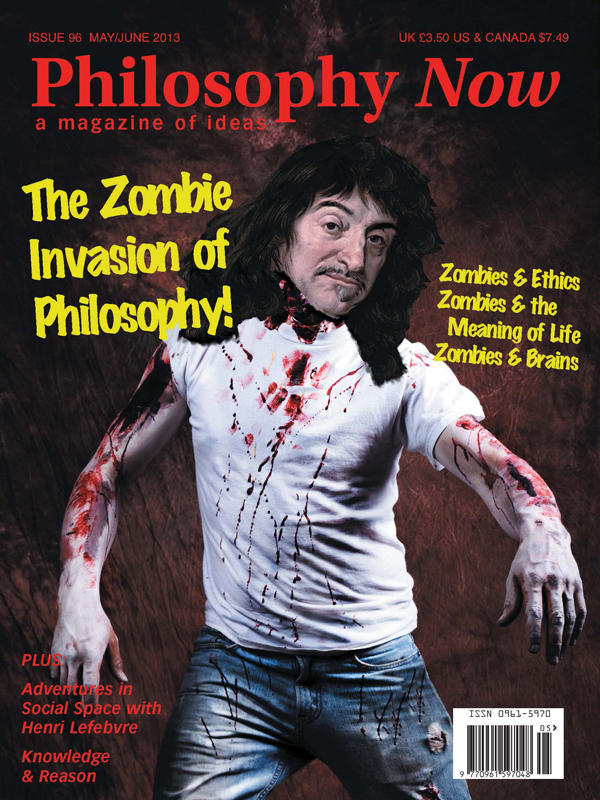
 In timely fashion (i.e. just when I thought I’d finished the chapter) Philosophy Now unleashes its zombie special: ‘The Zombie Invasion of Philosophy‘.
“In the Blood”: Zombis, Zombies and Race (I)
A recent thread on Nick Land’s singularly brilliant, and far too absorbing blog Outside In, one which penetrates quite deeply into the dark heart of the recently-monikered Reactosphere, has prompted me to clarify the titular terms of ‘Zombi Diaspora” in light of a certain vague discomfort I’ve been feeling about how the title may (or, more probably, may not) be being read.
Briefly summarizing the “Blood is their Argument” thread, a rather illustrious group of scientists associated with the so-called HDB (Human biodiversity) wing of the reactosphere came together last week at a special Edge event to discuss Napoleon Chagnon’s recently published Noble Savages: My Life Among Two Dangerous Tribes — the Yanomamo and the Anthropologists (2013). Chagnon is a veteran American anthropologist with a controversial reputation within the discipline, especially since the publication of Patrick Tierny’s Darkness in El Dorado (2000) which accused him of exacerbating a measles epidemic amongst the Yanomamö people of the Amazon rain forest who he had been studying since the mid 1960’s. A fascinating and revealing documentary account of this story is José Padilha’s Secrets of the Tribe which includes the background to Tierny’s accusations against Chagnon and the latter’s defence. It can be seen here.
Continue reading ““In the Blood”: Zombis, Zombies and Race (I)”
“Art Power” Interview
Here is a short interview with me that Alexander McLean shot during the Portman Gallery “Art Power” exhibition which gives some background to the production of the show as well a little bit about Haitian history.
The Sign Painters
A strong motivation for wanting to make and film signs being made in Haiti had to do with the fact that my father was a sign-painter. From the ages of about ten to fifteen I would accompany him on his weekend jobs as a kind of pocket-money apprentice. Somehow the work I’ve been doing with Tele-Geto over the last few years has something to do with this personal back story, my own path into the arts and an attempt to reconnect this to the younger artists in Haiti. So, although it’s a little off-topic for Zombi Diaspora, I thought I’d post this trailer for a video that has recently been made (and a book too) about sign-painters in the US that has the kind of glossy, wet feel I was dreaming of when I set out to make the Tele Geto Sign Painting Video.
It is interesting to note that the invention of the automated vinyl letter plotter that made many sign-painters in the US throw in the towel in the early 1980’s had the same effect on UK sign-writers like my dad who found themselves competing for trade with their automated ‘plasti-sign’ adversaries.
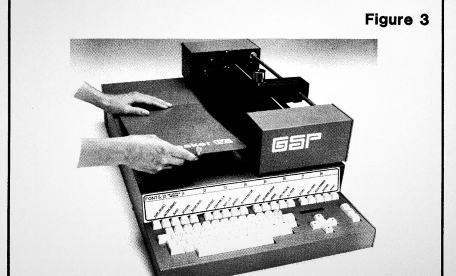
This was one of those formative moments when one becomes aware of how precarious even the most respected artistic trades are in the face of machine innovation, increased demand and faster turn-over. One of the things that I love about the visual street culture of Haiti was the almost complete absence of machine-made signs and photographic printing, even when they were advertizing computers.
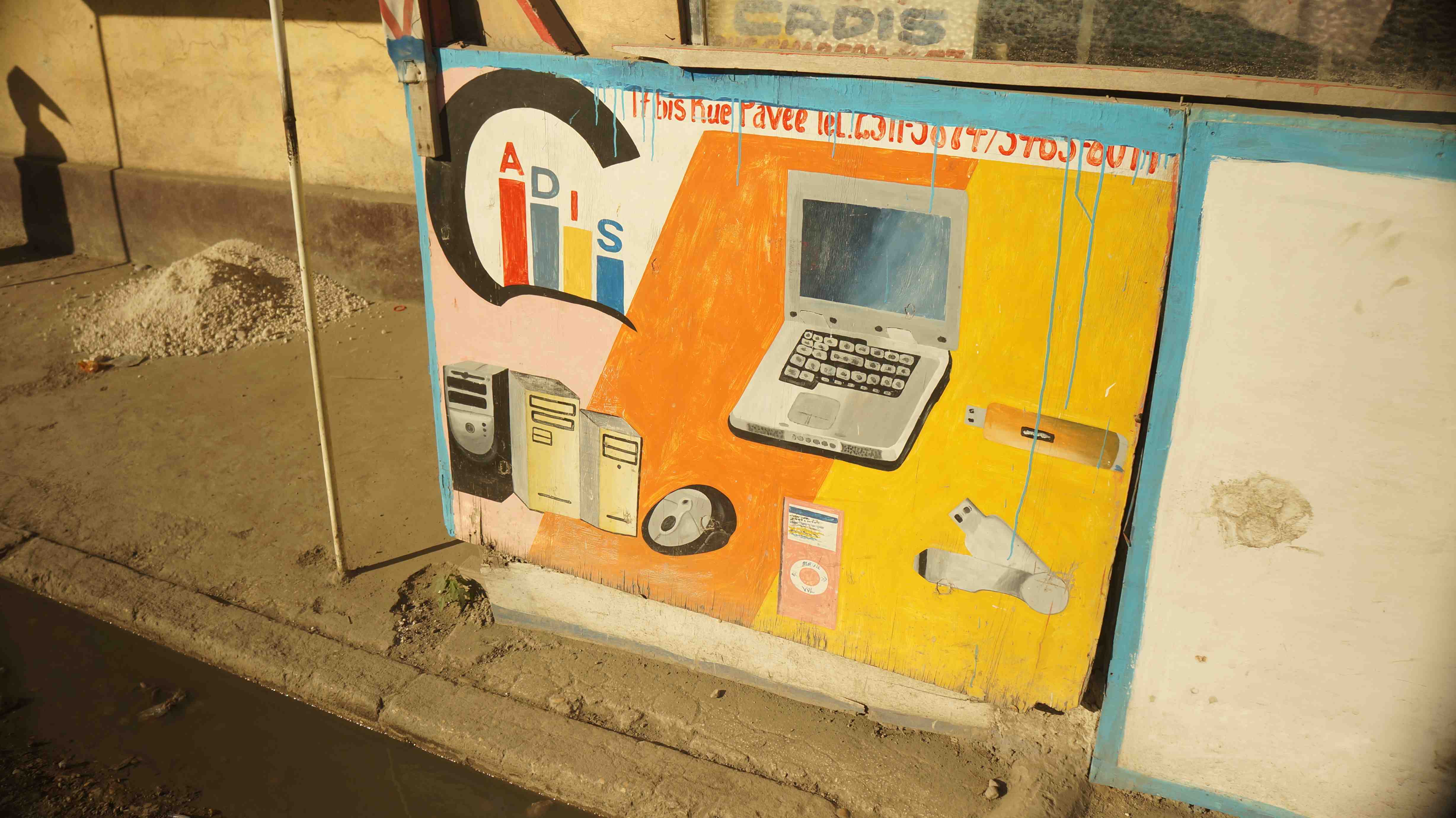
(Click to enlarge. The detail is well worth seeing up close.)
Thanks to Randy Lee Cutler for pointing me to the video.
Zora Neale Hurston on zombies (1943)
Here is a short expert of Zora Neale Hurston being interviewed on the Mary Margaret McBride radio show in 1943, five years after publishing Tell My Horse: Voodoo and Life in Haiti and Jamaica, one of the earliest ethnographies of Haitian folklore in which she described her encounter with an ‘actual’ zombie: Felicia Felix-Mentor.
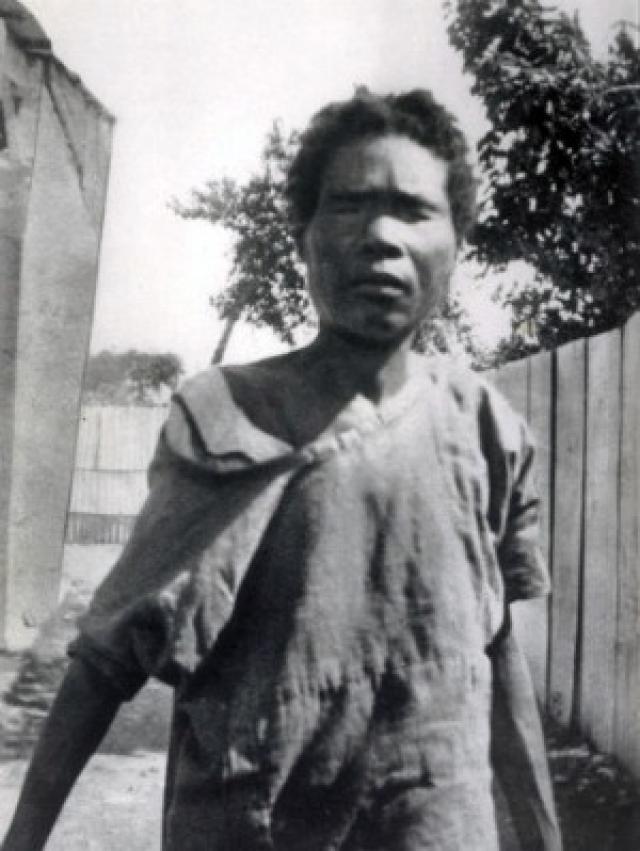
The image, allegedly published in Life magazine (oh irony!), gave substance to sensationalist accounts of zombies like those of self-declared cannibal William Seabrook in The Magic Island (1929) which were assumed, until this image gained public attention, to be the stuff of ‘mere legend and primitive superstition’.
Interesting to hear the term ‘suspended animation’ used in this context.
Mortified Schizo Zombies circa 1926
In their 1972 attack on the repressive orthodoxy of psychoanalysis and its complicity with contemporary capitalism – Anti-Oedipus: Capitalism and Schizophrenia – Gilles Deleuze and Felix Guattari famously described the fully-oedipalized subjects of modern capitalist societies as zombies: “mortified schizos, good for work, brought back to reason”. The zombie figure they are referencing here is not the apocalyptic cannibal zombie that had recently made its cinematic debut in Romero’s Night of the Living Dead (1968) but an earlier incarnation of the figure associated with the hypnotized somnambulist that had come face-to-face with ‘Voodoo’ slave-zombies in films like I Walked with a Zombie (1943).

This earlier version of the zombie as remotely-controlled and entranced agent-without-autonomy had been used by Marshall McLuhan three years before Anti-Oedipus in his famous Playboy interview in which he used the term to describe people stupefied by the effects of the new media environment of the mid 60’s. The correlation between somnambulism (or sleep walking) and possession-trance in Vodou ritual is one which dates back to 18th century commentaries on Haitian culture. But the consolidation of the association between zombies and somnambulists in cinema starts with the first zombie film White Zombie in 1932.
The short clip above is an extract from the first explicitly psychoanalytic film Geheimnisse Einer Seele (Secrets of a Soul) directed by G.W. Pabst in 1926 (under with the guidance of two practicing psychoanalysts Karl Abraham and Hanns Sachs). The psychological horrors plaguing the central character are of the kind Deleuze and Guattari would identify as explicitly oedipal, with the parade ground, the mad house and the prison looming large. If they had chosen Romero’s apocalyptic cannibal zombies rather than the traumatized somnambulist version the meaning would be very different. Jason J. Wallin has proposed something like this in his essay ‘Living…Again: The Revolutionary Cine-Sign of Zombie-Life’ (recently published in the Jan Jagodzinski edited collection Psychoanalyzing Cinema: A Productive Encounter with Lacan, Deleuze and Žižek).
Ponto for Banbha Mooira (2012)
Above is a video document of the drawing of Ponto for Banbha Mooira, a ritual floor drawing to an invented deity created by Roberto N. Peyre and myself in June 2012 for the exhibition ‘THERE IS NOT AND NEVER HAS BEEN ANYTHING TO UNDERSTAND!’ at ASC gallery in London. The drawing was made and filmed in the place on the gallery floor that it would be projected onto for the duration of the exhibition. The show was curated by our good friends Plastique Fantastique.
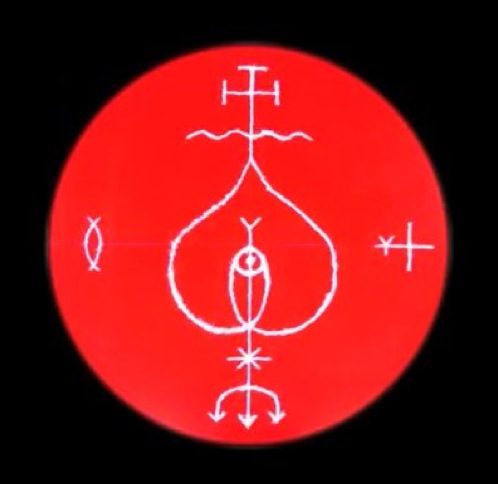
The artwork was inspired by our shared interest in Black Atlantic religions and Northern Soul dance culture, their common spiritual foundations in the transatlantic slave trade and the struggle for liberation, the importance of ritual dance/possession trance in both traditions, and processes of subject formation within industrial labour. The work was conceived as a mystic re- or counter-communion with antedeluvian origins and alliances in order to break the chains of assembly lines and loop holes guarded by certain demonic forces.
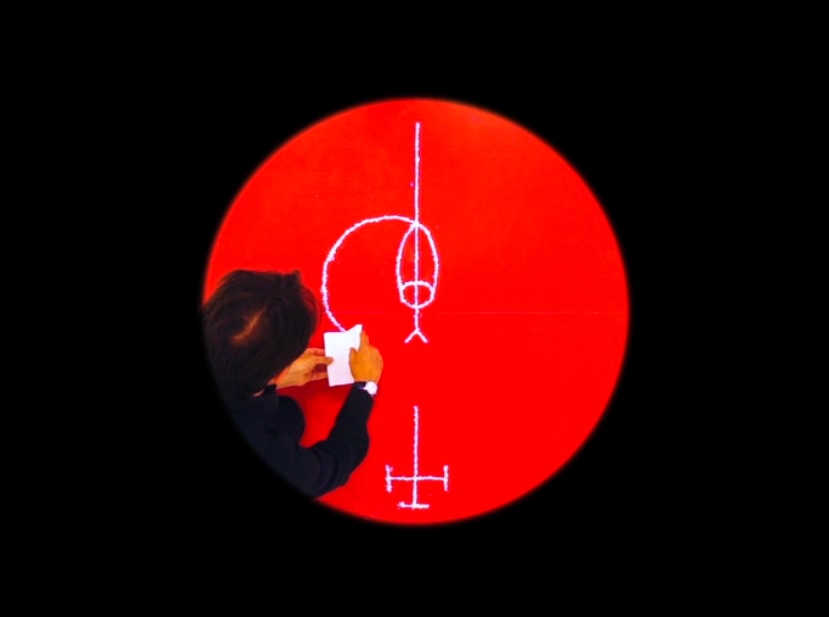
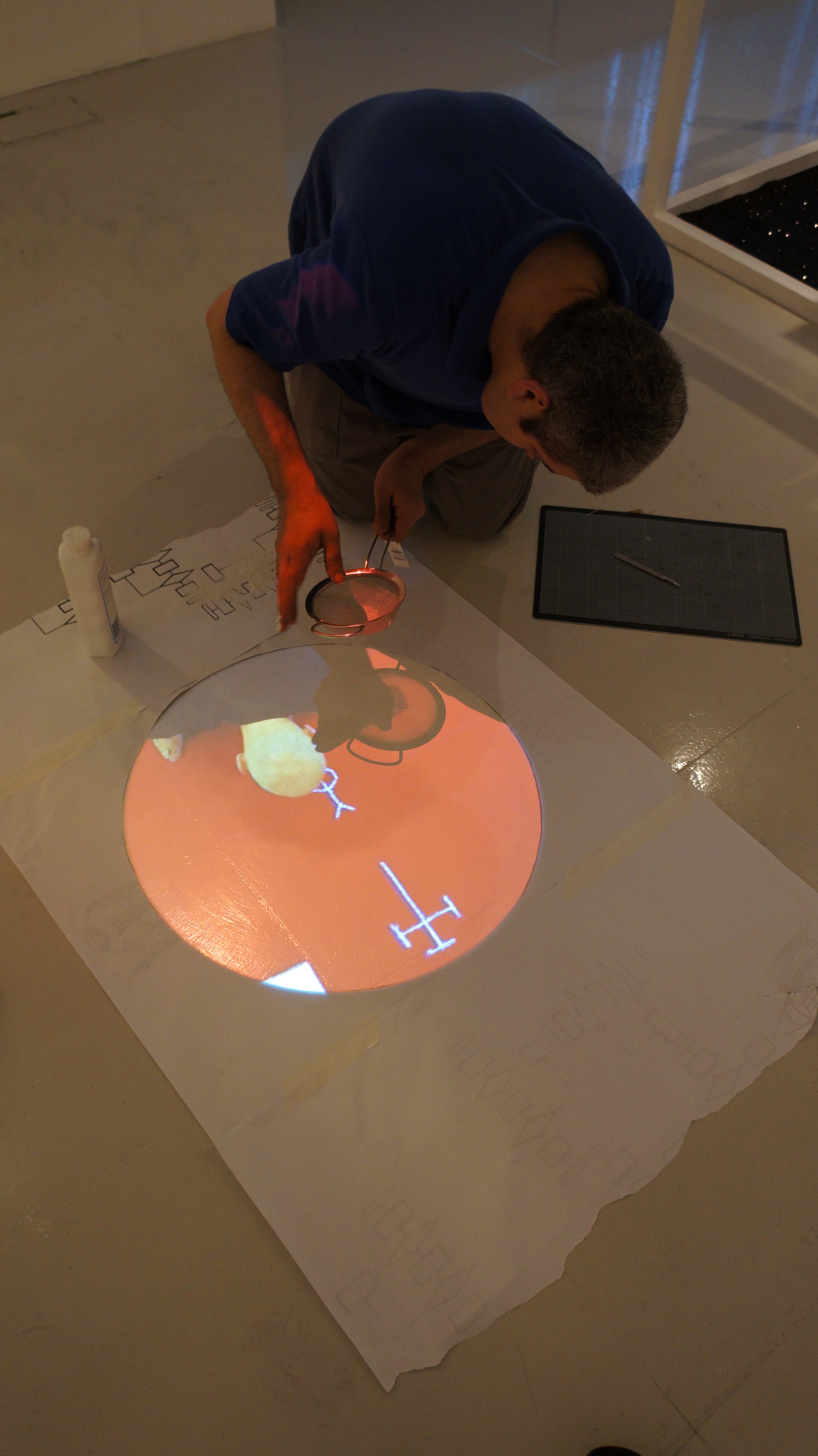
At the end of the drawing Roberto and I ‘un-draw’ the ponto by dancing and spinning on it to the sound of Spirit by Third Point, a Northern Soul tune, rarely heard these days, but once a big hit in the Highland Room at Blackpool Mecca, one of the most important Northern Soul venues in the 1970’s. The drawing is finished by 39.15. Then the dancing starts. The final video, embedded above, was projected onto from the ceiling onto a circle of white powder.

The project began with a view to making a vévé: a ritual signature of a Loa (God/Spirit) drawn in powder on the ground during Vodou ceremonies in Haiti. Roberto suggested we think about what a Northern Soul vévé would be made of. The content of the powders should be in keeping with the work to be done and the spirits to be honoured. The obvious choices were talcum powder, which Northern Soul dancers sprinkle on the floor to make it easier to perform their dance moves, and amphetamine sulphate, the stimulant of choice for the scene.

At the time we were developing this project I was exploring the history and symbolism of the red cross after rumors had begun circulating that the International Red Cross was planning to build a hotel and conference centre in Haiti with money raised from public donations for post-earthquake disaster relief, allegedly with the intention of creating jobs for Haitians. At that time the red cross had become emblematic of the mutual interdependence of military violence and charitable aid that had been cast into stark in post-earthquake Haiti. Given that the ASC gallery is located in Southwark, an area with a with a long history of Black African presence related to the transatlantic slave and sugar trade, Roberto suggested twinning the area with the other side of the river and its square mile of notorious Templar power and financial necromancy. He also suggested we start to think about spiritual power centres in the vicinity of the gallery where we could perform ritual works. Specifically we should look for a Pomba Gira “hot-spot”. Pomba Gira is a deity within the Umbanda, Quimbanda and Candomble spiritual traditions of Brazil. Her name means “spinning” or “turning dove” in Portuguese. She is a powerful warrior-queen who takes many forms and “paths” through which she commands formidable legions of the dead. She is often associated with “wayward” female behavior like promiscuity, prostitution, hedonism, intoxication and violence and she inhabits liminal spaces like forests, riverbanks, crossroads and graveyards. She is the consort of Exu, spirit of the forest and prime spirit of change, first action, streets, roads, transmissions and crossings and the name given to a phallanx of spirits on the lowest level of the spiritual hierarchy in the Qiumbanda tradition.
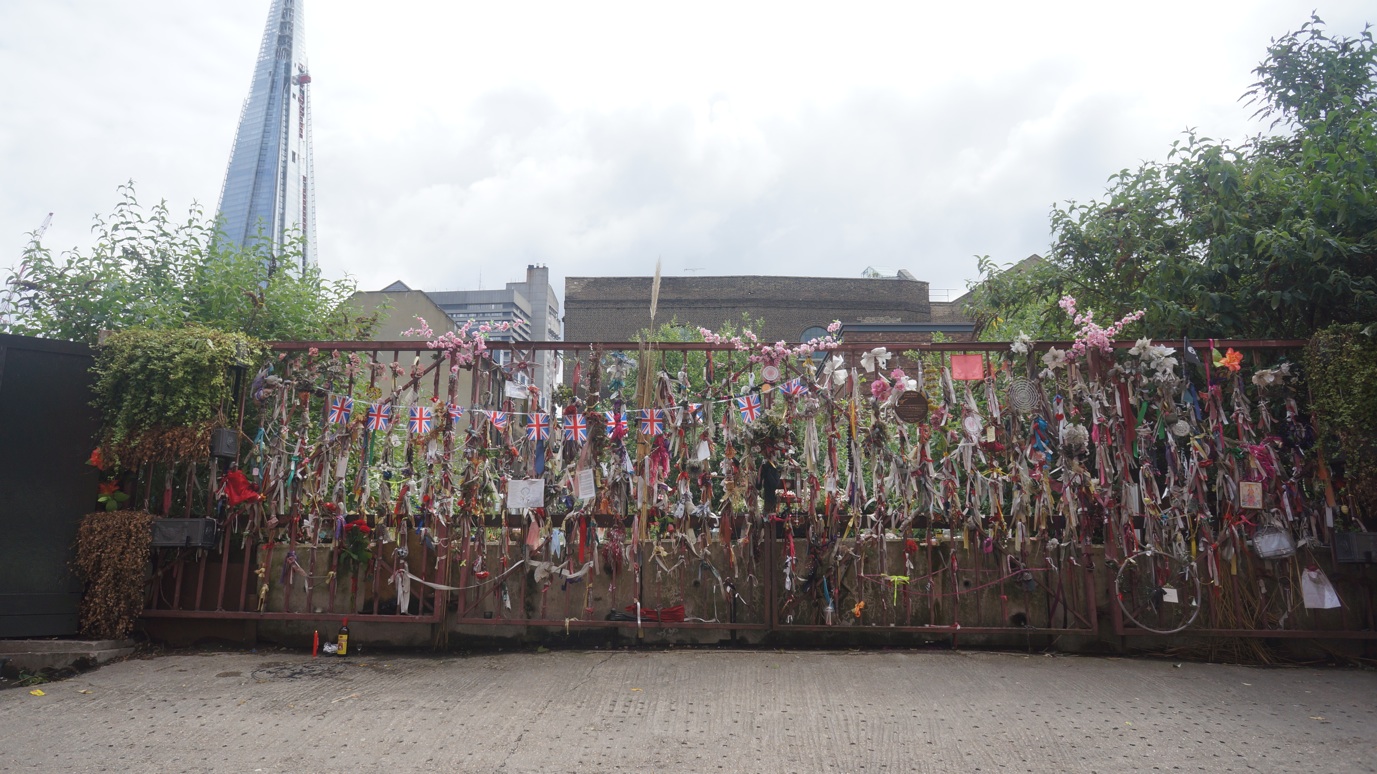
As we began to reflect on the nature of the vévé powder and the quest for a Pomba Gira hot-spot in Southwark, an image of a skull and cross-bones came to mind: the bones being ground into a white powder in a mortar and pestle. Cross-bones and graveyards. And then I remembered The Cross Bones graveyard, a ceremonial site for the memory of the outcast dead (especially for prostitutes), made popular by the mystic, visionary poet and playwrite John Constable (aka John Crow), whose Southwark Mysteries were channeled to him by the spirit of a dead prostitute called The Goose. And it was on Redcross Way, in the parish of St. Saviour’s, no more than seven streets from the gallery.
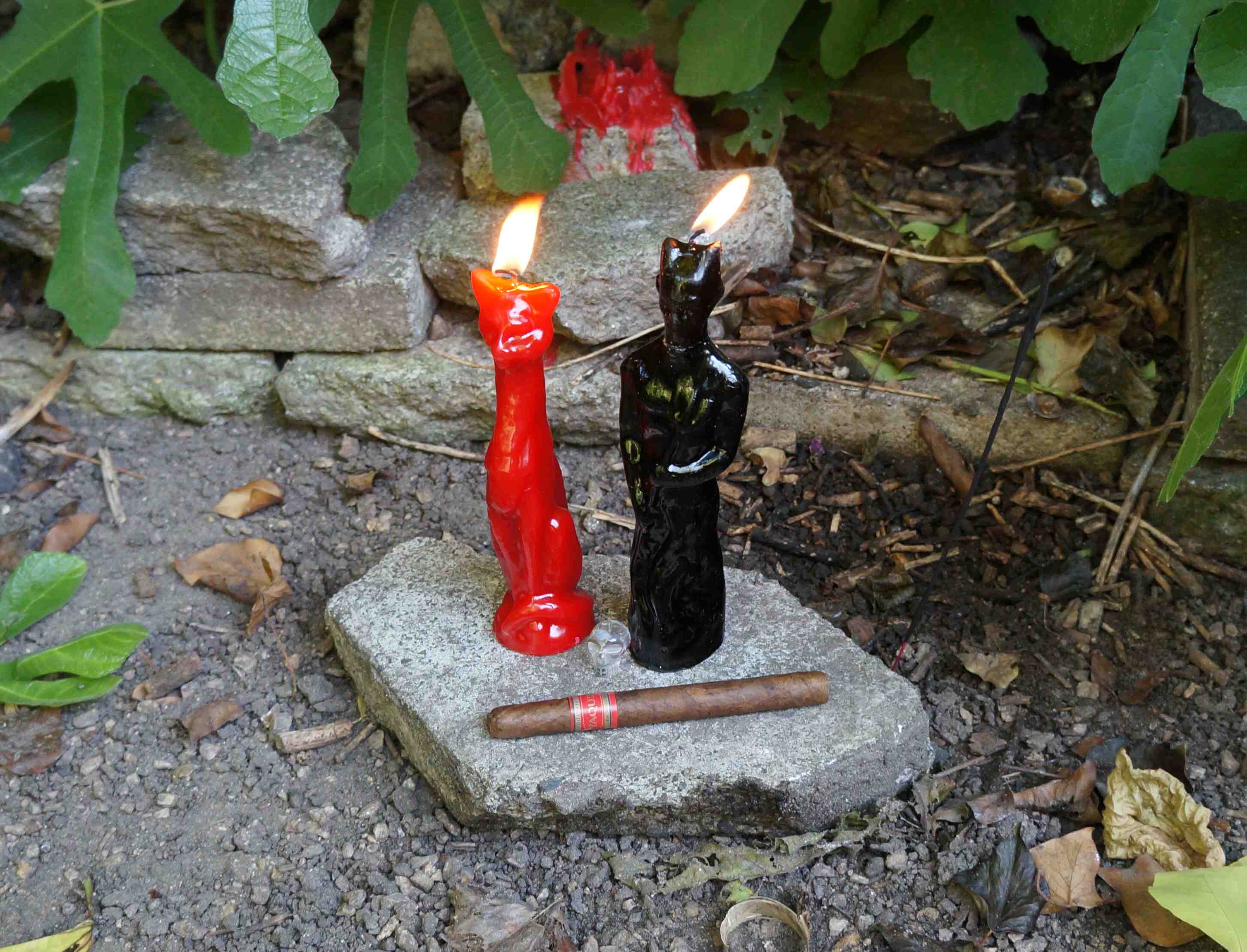
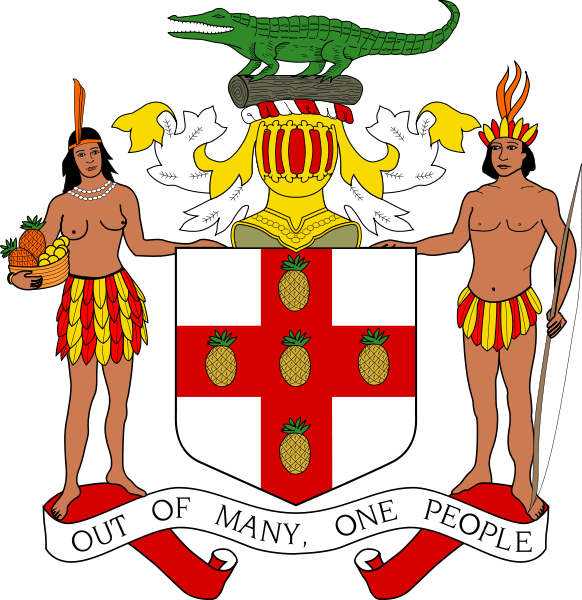
Over the next two weeks – during the transit of Venus – we performed a number of rituals in recognition of Pomba Gira dos Sete Cruzeiros de Kalunga (Pomba Gira of the Seven Crosses of Kalunga) at the gates of the Cross Bones burial ground, and to Exu Quebra Galho (Exu of the Broken Twig) at the base of a fig tree in All Hallows Church yard. We then designed a ponto riscado, the ritual signatures of deities and forces within Quimbanda, for a transatlantic Northern Soul deity that Roberto named Banbha Mooira after the legendary warrior queen and giantess founder of Ireland and a fateful, Moorish Moira. The ponto contains a number of elements: the tree of life encircled by a double-headed serpent, the graveyard oceans of Kalunga, the cross of the Knights Templar and the trident of Pomba Gira. The ponto was worshipfully drawn to our new queen on the Diamond Jubilee of another queen, Elizabeth II of Jamaica, Barbados, the Bahamas, Grenada, Papua New Guinea, the Solomon Islands, Tuvalu, Saint Lucia, Saint Vincent and the Grenadines, Belize, Antigua and Barbuda and Saint Kitts and Nevis.
In the rendering above the ponto is inverted.
Doc of the Dead
Here’s a trailer for what I presume may be the first full-length documentary about the “zombie emulator” phenomenon. My favorite comment has to be George A Romero’s, which raises a fundamental problem for any would-be “zombie ethnographer”:
“I’ve been to Mexico City and 5,000 zombies showed up. And I can’t get any of these people to answer the basic question of “WHY DO YOU DO IT?””
Morpeth School Art Power (2)
Documentation of the ‘Morpeth School – Art Power’ project has been posted on the Portman Gallery website. Thanks to everyone who supported the project.

The Militarization of Aid
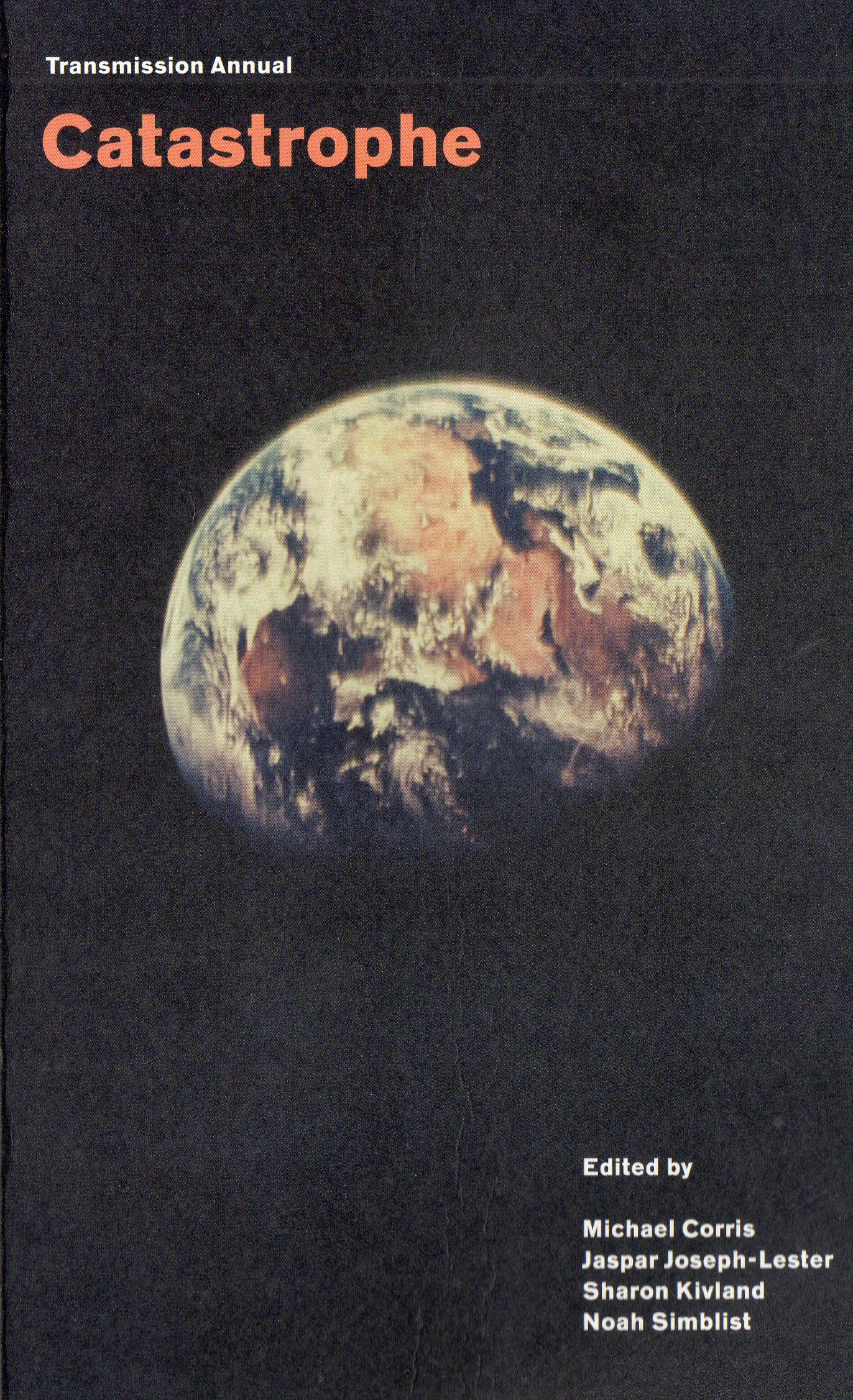
Here is a PDF of my essay ‘The Militarization of Aid as an Act of Religious Violence’ which was recently published in the Transmission Annual publication on Catastrophe. In the essay I reflect upon the militarization of aid in post-earthquake Haiti from the perspective of George Bataille’s Theory of Religion.
 Invisible Mirrors