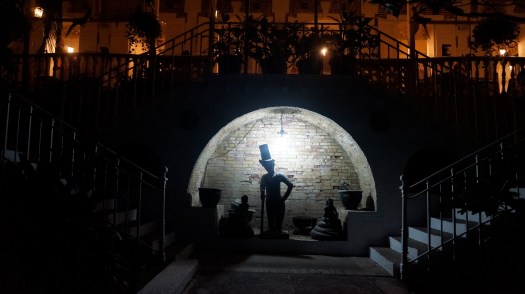
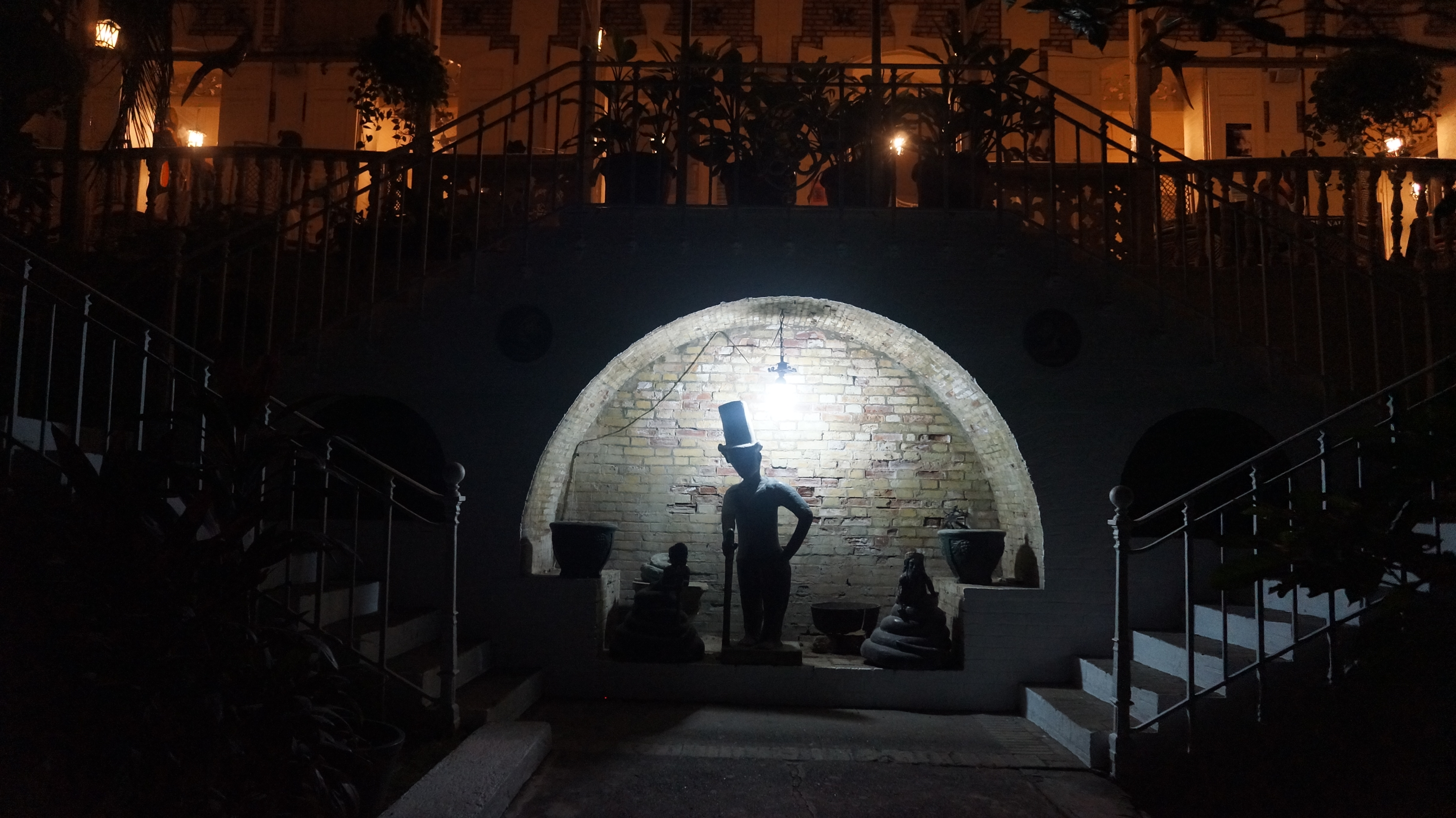
 The Entrance to the Oloffson Hotel
I’ve decided to keep a shooting diary for the Tap-tap Painters Project I’m working on while here in Port-au-Prince. This will not be a well-formulated and carefully considered thing but something I’ll be doing first thing each morning, head and energy willing. It may not have anything to do with the painting either. Let’s see.
Comfort Inn, JFK – 10th Dec 2011
I awake from a dream after having met the first delegation from the Ghetto Biennale on a house-boat I was living on precariously with my flatmate Kelda.
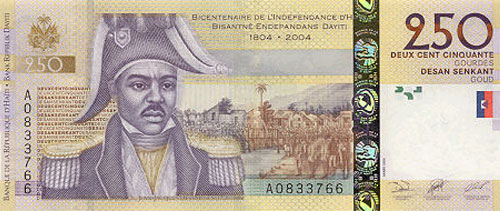
Leah introduced the group. We began to talk about what we were thinking of doing for the Biennale. The conversation moved along associational relationships between ideas and words. One such association – I think it was ‘mint’ – led to my proposing to do some research about the Haitian central bank and the minting and printing of Gourdes. One of the women in the group said that she had access to the National Mint but was reluctant to support a project around it as it could be seen as a colonialist gesture. I asked her how so? She said that Haiti’s international reputation was very much associated with its economic history and negative stereotypes about the mismanagement of its economy. I suggested that, on the contrary, by making work which looked at the practical economic and fiscal ‘realities’ of Haiti I was approaching the Haiti like any other nation currently operating within a global financial economic context. The conversation moved on.
I found myself in a low wood by the edge of the water. It’s not clear what I’m looking for but it has something to do with the ‘project’. I find a pile of used-waste DVD packages (reminiscent of the ‘Dirty Material‘ we found at La Moleya dump in 2009).
I think they may have some significance-value and start to see what they are. Nothing of much immediate meaning. I then become aware that I am in visible distance from a road along which people are walking and become very conscious of what people might think about me rummaging around in this wood, or indeed, what other people might have been doing in here before. At the same time I notice that there are multiple copies of one video, a recognition that brings a sinister affect. It is a video with the image of three Latin-American brother cowboys on the cover in white shirts and black Stetsons, a third-rate Mexican action-romance-music movie with resonances of Los Tigres del Norte and Antonio Banderas. I don’t see any title.
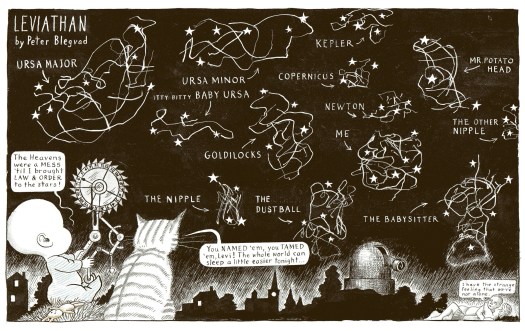
On the runaway at JFK airport I am thinking about some of the ideas expressed in the early essays about Kant in Nick Land’s Fanged Noumena. I notice that the drones of the plane’s engines, mixed with the cascade of voices from inside the cabin have a hypnotic and deeply reassuring affect. There is a momentary and trance-inducing choreography of machines on the runway that resonates in accord with the event of a female sparrow eating crumbs and drinking from the fountains in the airport terminal just before we departed. There are frequencies and tones that come from machinic outside, that are purely haphazard, formally, but still have the effect, in combination, of calming the ‘wild/blue beast’ (see Nick’s ‘Narcissism and dispersion in Heidegger’s Trakl Interpretation’). The material world generates healing as well as violently maddening frequencies. Nick quotes Hegel:
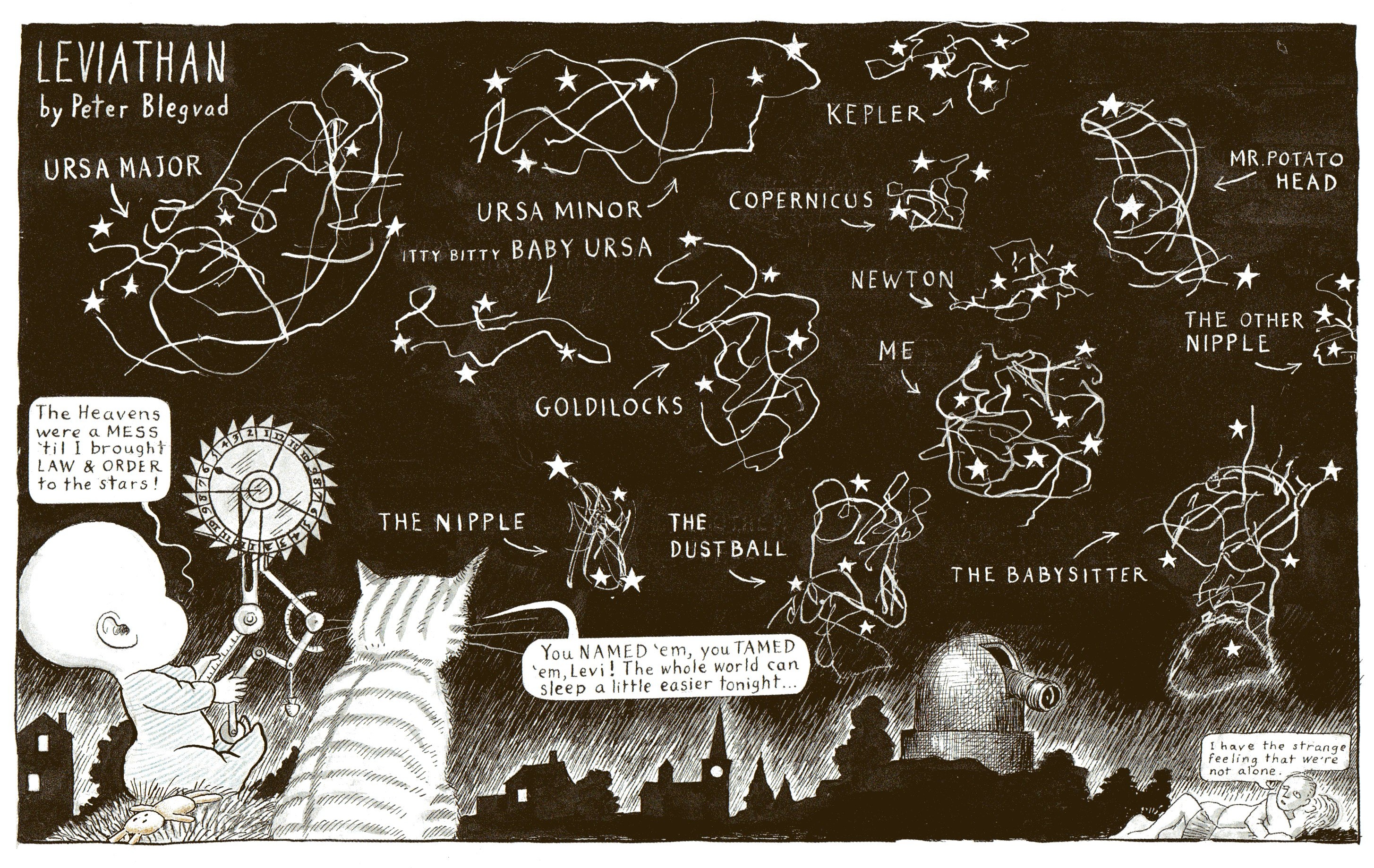
‘One can admire the stars because of their tranquility: but they are not of equal dignity to the concrete individual. The filling of space breaks out [ausschlägt] into endless kinds of matter; but that [i.e. the casting of the stars] is only the first outbreak [Ausschlagen] that can delight the eye. This outbreak is no more worthy of wonder than that of a rash in man, or than a swarm of flies’.
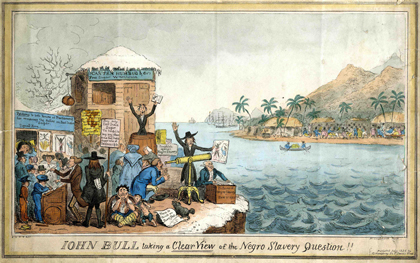
I am also reading Sybille Fischer’s Modernity Disavowed: Haiti and the Cultures of Slavery in the Age of Revolution. This book and Nick’s seems to be conspiring -along with David Graeber’s Debt: The First 5000 Years (which I left in London) – in a paranoiac critical convergence of thematics. I could barely get through a paragraph of the former without the interconnections amassing and overwhelming the read. In Note 2 of her introduction – ‘Truncations of Modernity – “The Fate of Striking Events”’ – with reference to the New World’s apparent ‘limitless hunger for slaves’, Fisher refers to the same text as Graeber in Debt: Orlando Patterson’s Slavery and Social Death: A Comparative Study (1982) in which he defines slavery as “the permanent, violent domination of natally alienated and generally dishonoured persons”. (Graeber develops the theme of ‘Honour and Degradation’ in relation to debt in Chapter 7 of his book). Fisher proposes two models of slavery which have been proposed in the literature on the subject: ‘Slavery as Domination’ and ‘Slavery as Exploitation’. I recall on my last visit to Haiti the unspoken significance of de Sade for the discussions of slavery in Haiti and Nick’s reminder that power is exercised not simply or primarily in the interests of profit.
This resonates immediately with the opening paragraphs of the first essay in the collection – ‘Kant, Capital and the Prohibition of Incest’ – which in turn evokes the thought of Immanuel Wallerstein’s world systems theory as I remember it, that welfare state democracy was established to ameliorate the risk of revolution ‘at home’ while exporting the full violence of raw capitalist exploitation to the colonies and to that the British abolitionist movement was simultaneously a strategy for disciplining the British labour force.
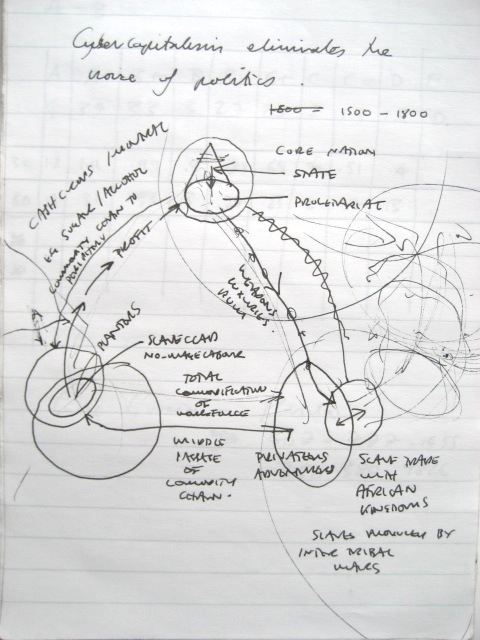
‘The policy [of apartheid] seeks to recast the currently existing exteriority of the black population in its relation to the society that utilizes its labour into a system of geographical relations modeled on national sovereignty. The direct disenfranchisement of the subject peoples would then be re-expressed within the dominant international code of ethno-geographical (national autonomy)’.
Nick’s understanding of revolutionary insurgency as an ecstatic ‘complicity with anonymous materials’ (to use Reza Negrastani’s formulation of the same general idea) must surely have relevance too in terms of Peter Linebaugh and Marcus Rediker’s The Many-Headed Hydra; Sailors, Slaves, Commoners, and the Hidden History of Revolutionary Atlantic, a core resource for Fischer’s thesis of an unfinished and sub-altern – un-known (in Nick’s terms) – revolutionary history that could (have) taken the dominant discourse of historical modernity in another direction.
‘In response to the [Haitian] revolution [by the settlers of European descent] a cordon sanitaire was drawn around the island to interrupt the flow of information and people’.
There is a correlation here between the primary Foucauldian thesis of the ‘great confinement’ and ‘the plague city’ in Madness and Civilization/Discipline and Punish and Nick’s account of Heidegger’s retreat from the full scabrous and virulent implications of Trakl’s Ausschlag (‘outbreak’, ‘blossom’, ‘waive’ and ‘beat out’) and Aufruhr (‘turmoil’, ‘revolt’).
In an amazing passage from one of the first histories of Haiti in the English language – Captain Marcus Rainford’s A Historical Account of the Black Empire of Haiti (1805)- which Fischer uses to exemplify an early example of the ‘Haiti-as-exception’ thesis and quotes in full – the last lines leapt out:
‘The same period [the age of revolution] has witnessed a great and polished nation, not merely returning to barbarism of the earliest periods, but descending to the character of assassins and executioners; and, removing the boundaries which civilization had prescribed even to war, rendering it a wild conflict of brutes and a midnight massacre’
As the plane leaves the ground I’m thinking of Nick’s writing, his philosophy of the cosmic howl of virulent materialism and planetary trauma. I see two ovular holes in the alostratus clouds, which become the eyes of a skull, with the sun directly between them, a celestial pareiedolic neotony of death and I am reminded of the benign version of this same psychological mechanism.

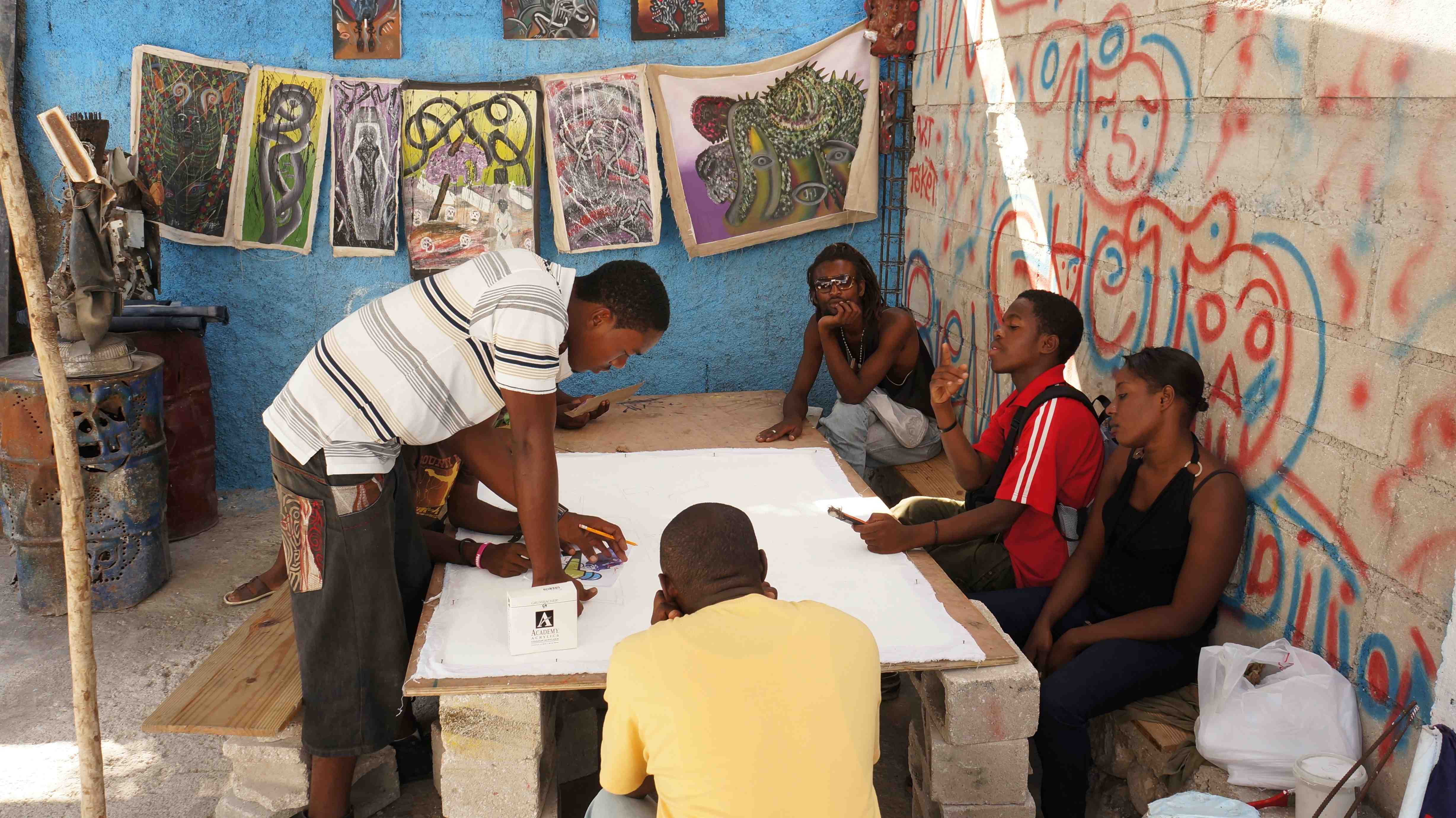 Early stages. Drawing out the sign.
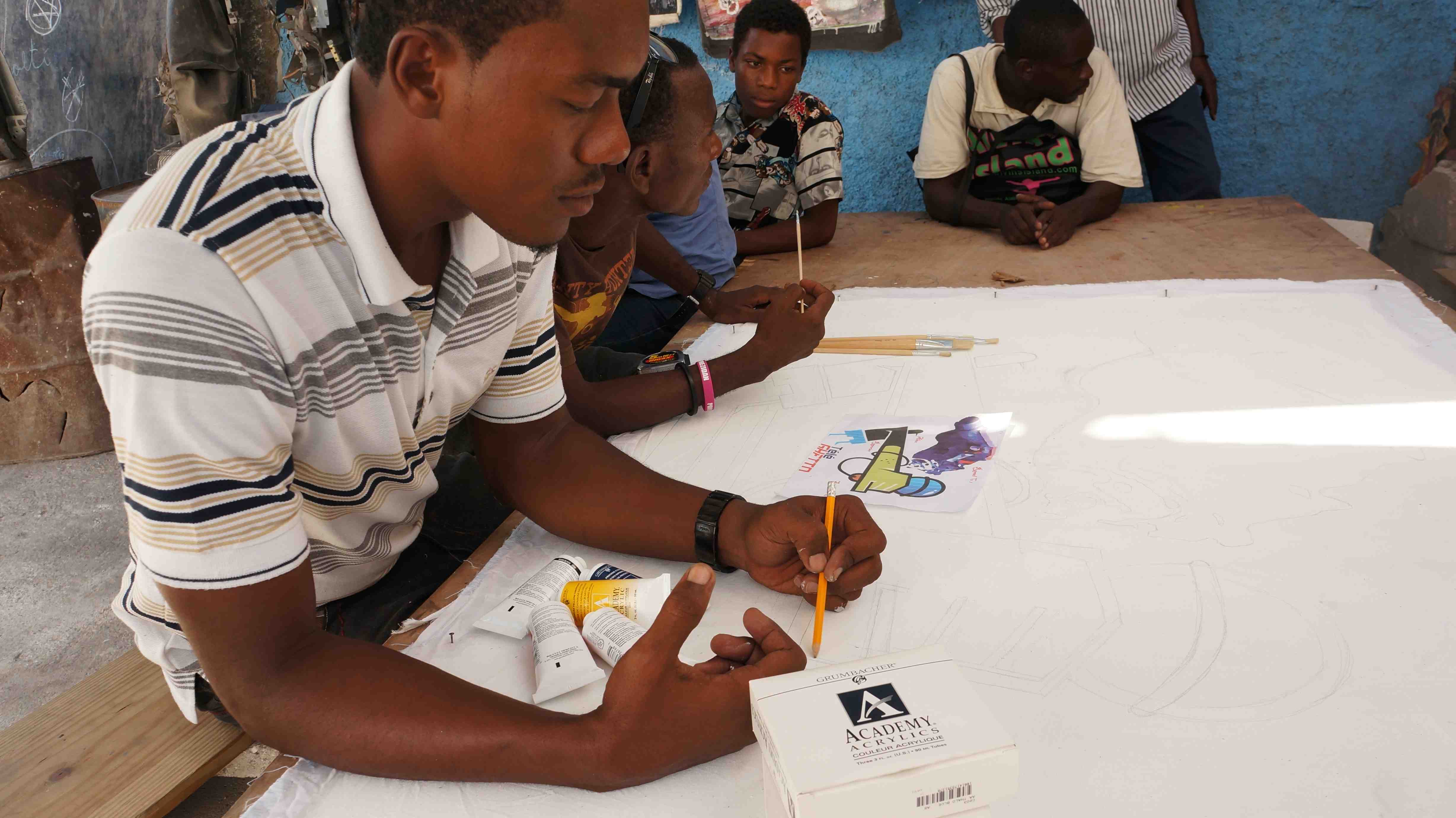 Michel begins the drawing
 Joseph and Michel painting.
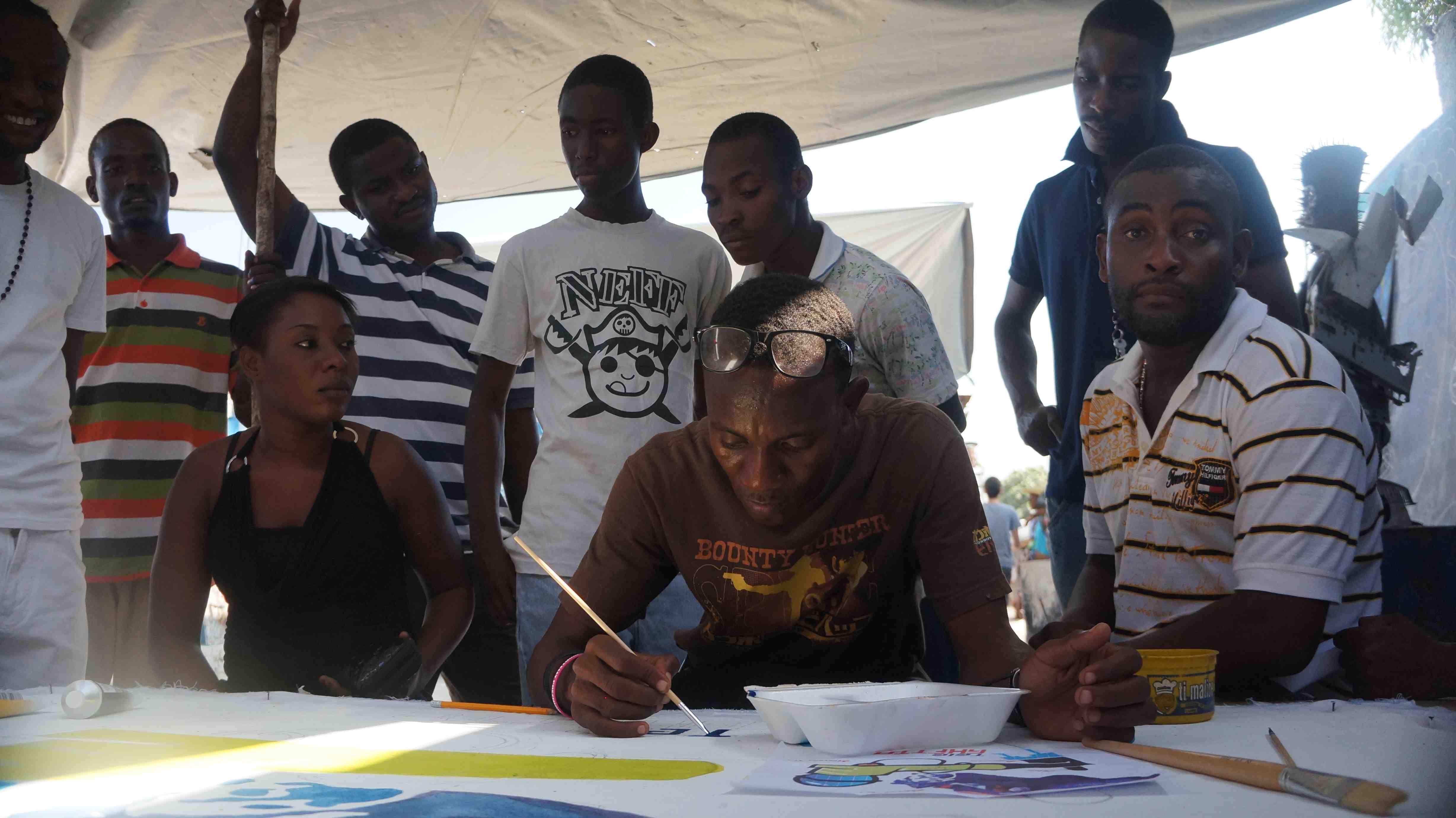 Joseph painting.
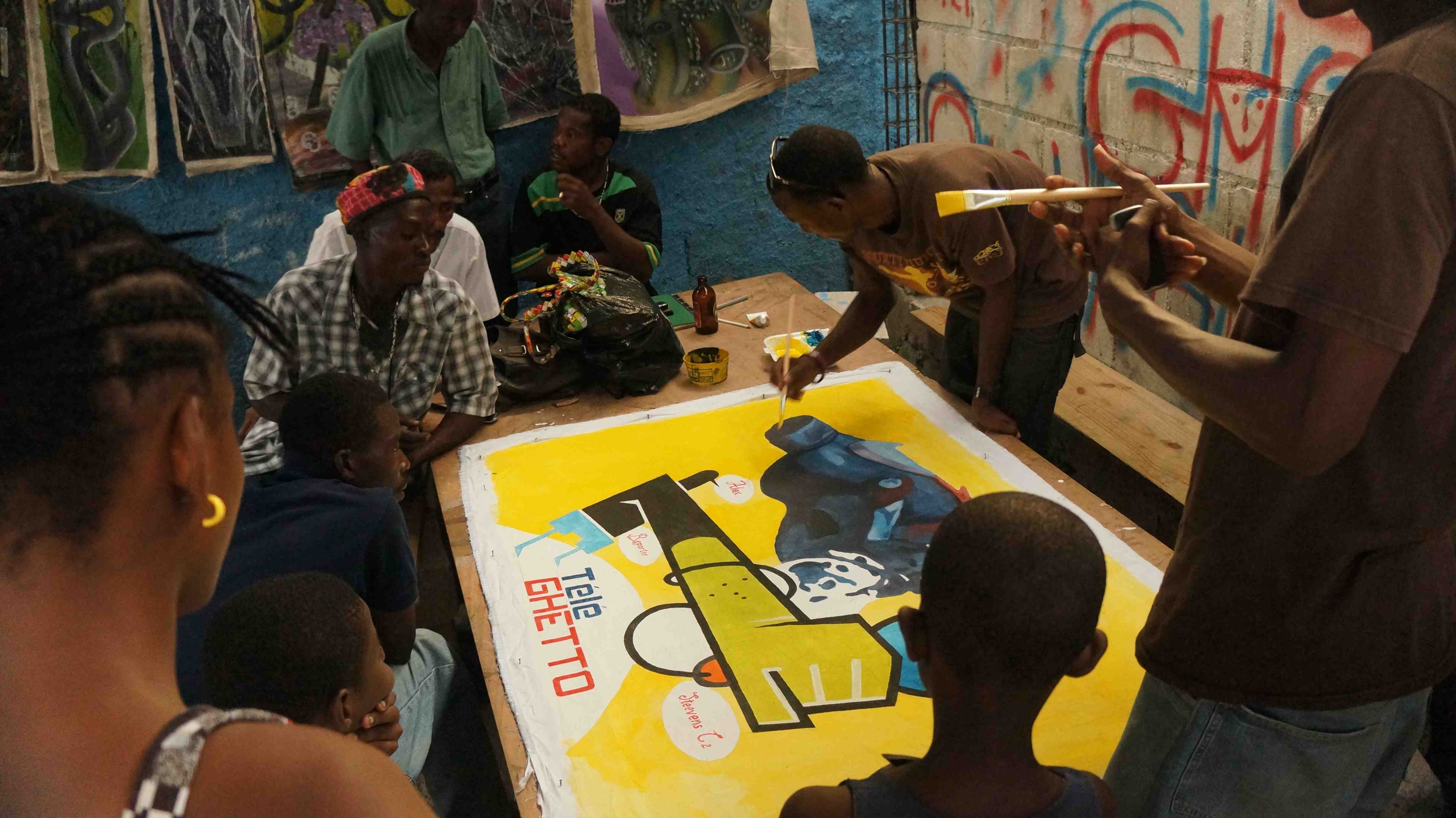 Sign painting almost done.
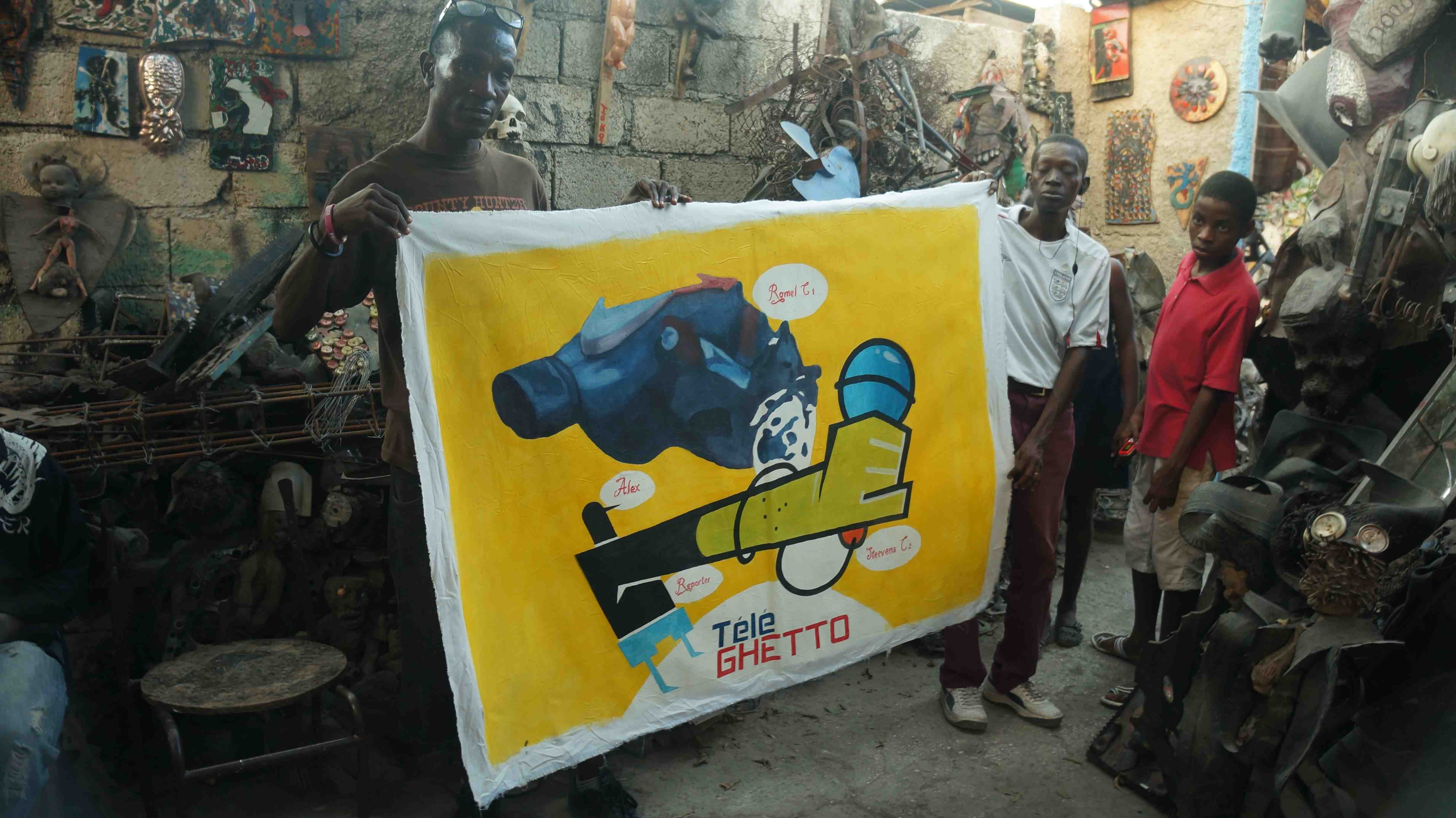 Finished sign.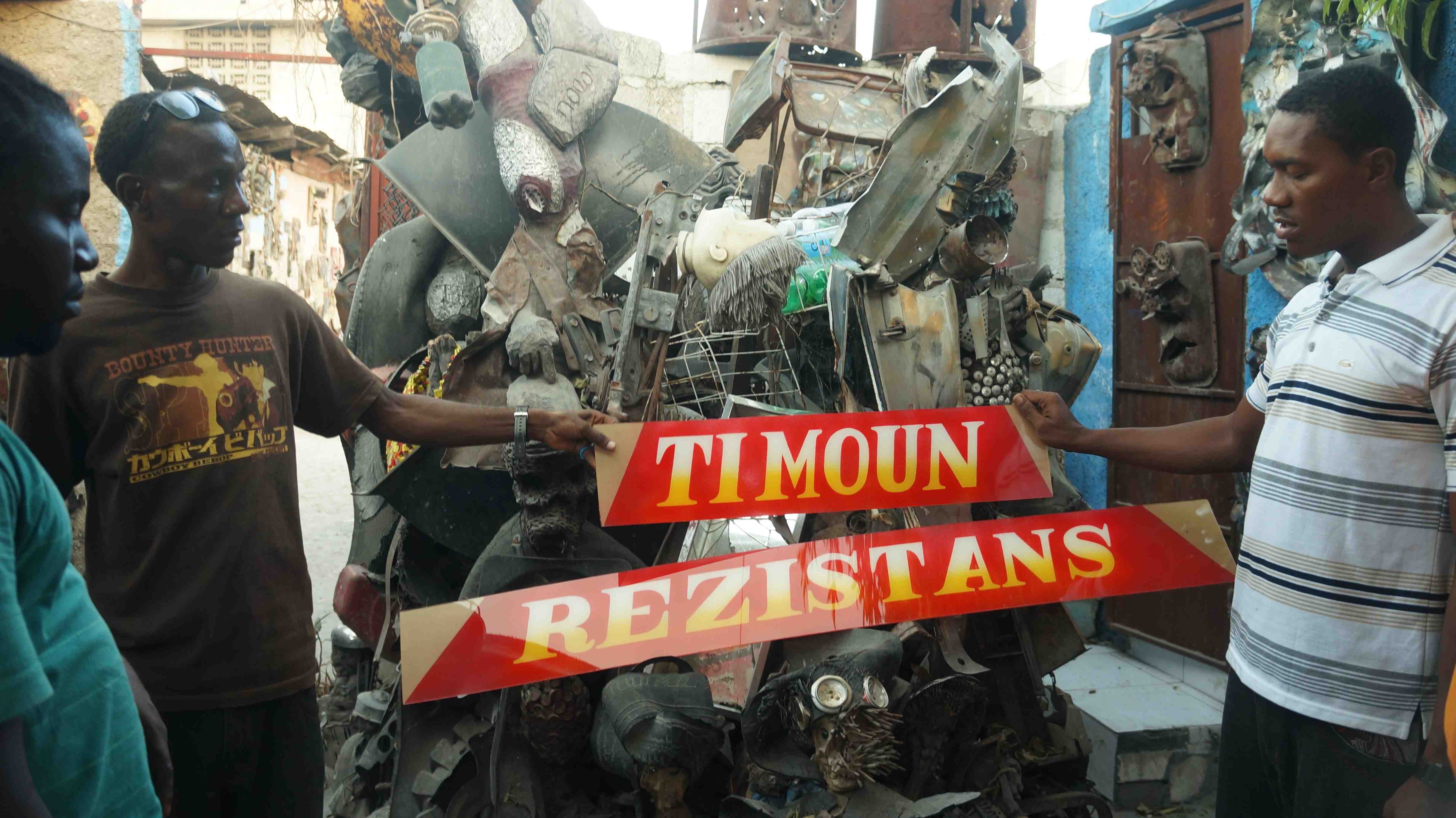


 Invisible Mirrors