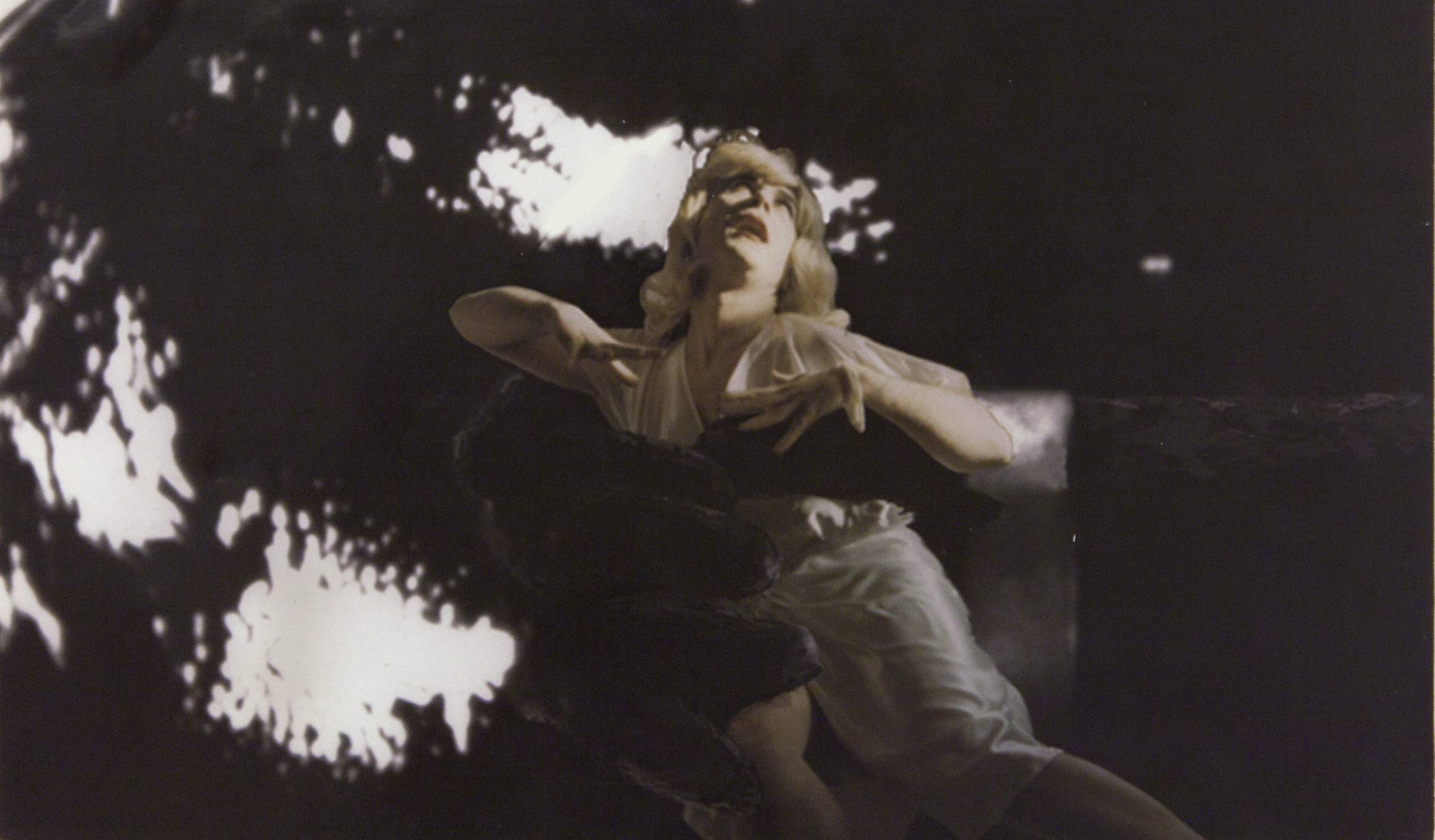

Global Data Map of Zombies

A group of researchers from the Oxford Internet Institute have recently mapped the global distribution of content on Google Maps containing the word ‘Zombie’. Interestingly the word does not occur in Haiti. The closest place is Puerto Rico, with the lowest level incidence of references. The zombie search epicenters seem to be in the metropolitan areas of the US and Western Europe. A full resolution image of the map can be found here: Mapping zombies.
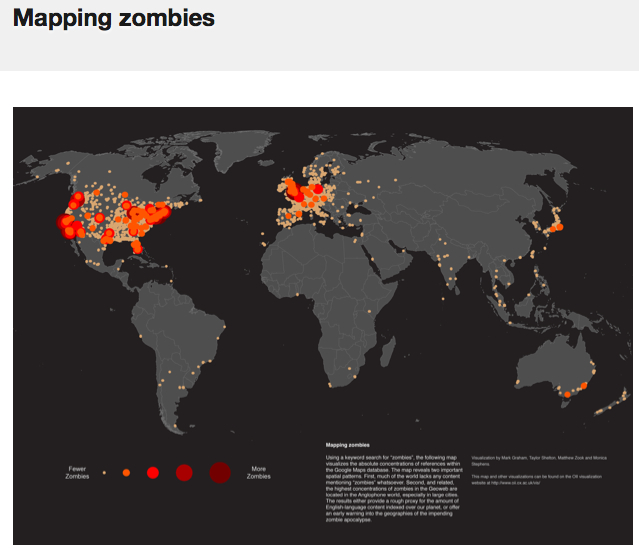
Although this zombie map is most explicitly relevant for Zonbi Diaspora (the name of which was changed recently from ‘Zombie’ to ‘Zonbi’ for reasons I will explain later), some of the other maps on the ‘Visualizing Data’ site have more implicit value in terms of the Ghetto Biennale and the work of Tele Geto. The visualization of the user-generated ‘georeferenced’ content on the internet shows the dominance of material from the USA and Canada and the relatively small amount generated in Latin American and the Caribbean. The Internet Penetration, Literacy and Gender and Location of Academic Knowledge visualizations gives us a background story. What they indicate is a clear information-knowledge imbalance which is amplified by the internet.

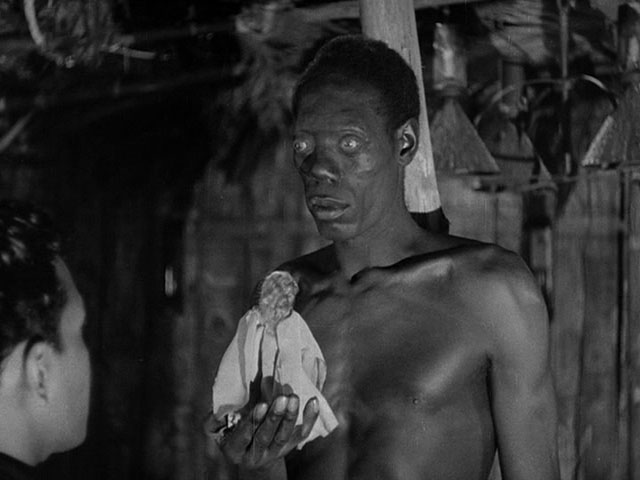
An underlying assumption of Zonbi Diaspora is that the migration of the zonbi/zombie figure from pre-slavery West Africa to contemporary zombie films followed paths which coincided with the evolution of communications media. The transition from a folkloric Haitian legend to a ghoulish horror figure coincided with the convergence of exotic western travel literature, sensationalist newspaper reporting and early cinema. This is not the whole story. But the informational-mediatic dimension of the story is fundamental here.

I contacted Mark Graham, one of the creators of the map and asked him why he had chosen to plot the word ‘zombie’? What was the background for this choice?

‘I guess just a small obsession with zombies that I have. Together with Matt Zook and Taylor Shelton, I’ve also co-authored a chapter on zombies that should be out in a book called ‘Zombies in the Academy’ next year’.
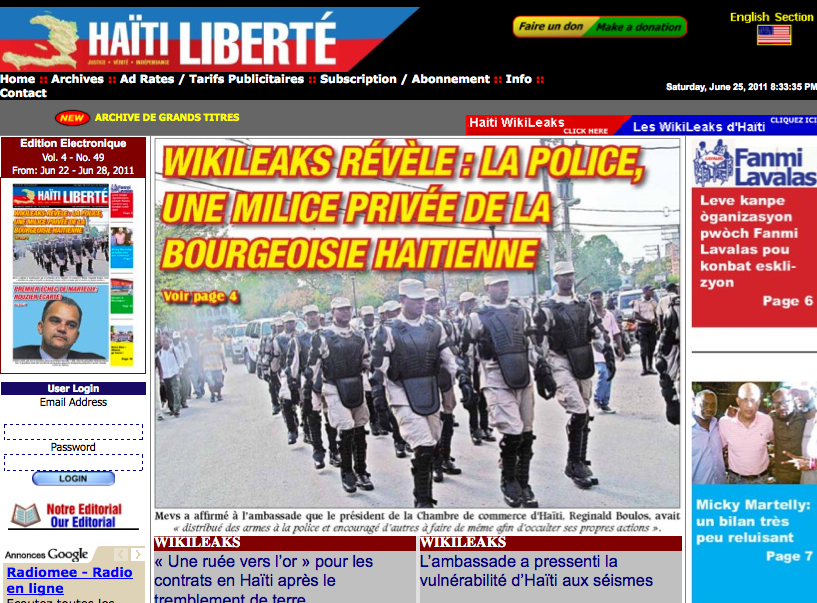
Haiti Wikileaks – The US ‘Goldrush’ After the 2010 Earthquake


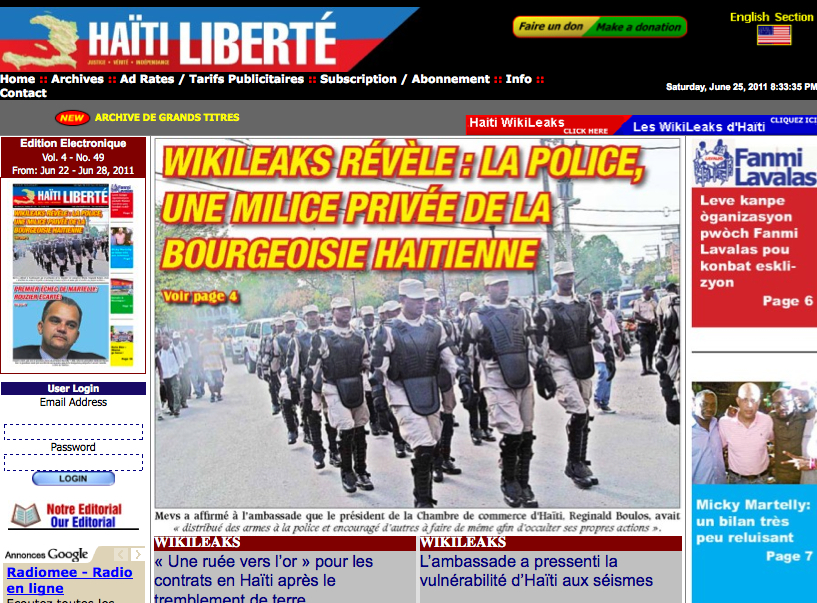
Here is a recent bulletin from Democracy Now in which Dan Coughlin and Haïti Liberté editor Kim Ives discuss recent US intervention in Haiti. It includes exposes about how the Haitian elite and business class tried to use Haiti’s police force as their own private armies after the ousting of President Aristide in 2004, how the US, the EU and the UN supported recent elections in full knowledge of the unfair exclusion of the Lavalas party, and how US contractors worked aggressively with the US Embassy to block a minimum wage increase for Haitian ‘assembly zone’ workers. Amy Goodman will be chairing the conversation between Julian Assange and Slavoj Žižek which will take place in London on July 2nd. This discussion will be broadcast at Democracy Now.

Tele Geto: One Year Anniversary

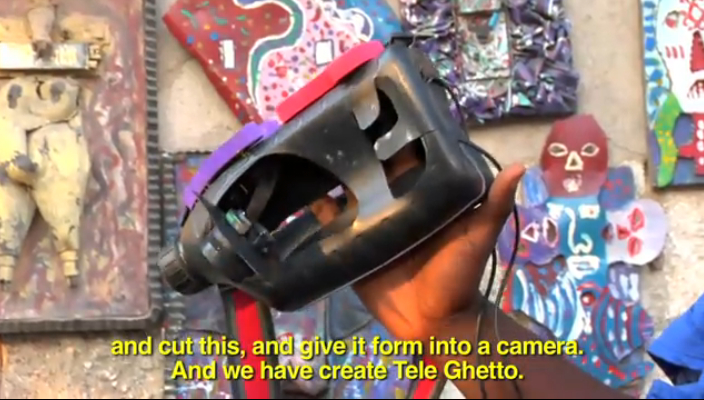
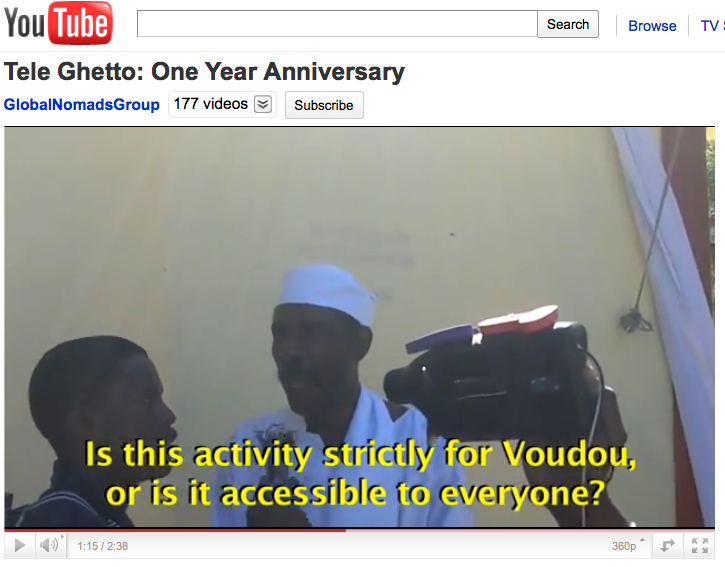
Here is an excellent video by Tele Geto interviewing a Vodou priest and Christian priest during their memorial ceremonies for the one year anniversary of the earthquake. And here is a very inspiring short film called Dandine from the Global Nomads Group. And from the same source  here is a short video about Haitian Vodou which includes an interview with Max Beauvoir, the ‘Official Head of Haitian Vodou’, who makes some very pertinent comments – in terms of the general orientation of this blog-  about the effects of Hollywood ‘Voodoo’ on Haitian Vodou.

Art, Possession and The Revolutionary Unconscious

Below is an illustrated transcript of a lecture I recently gave at the Museum of Ethnography in Stockholm as part of the Xism show and ‘Pig Party’ event curated by Roberto Peyre to coincide with a major Vodou exhibition currently taking place there. I will be writing about the Vodou show and the discussion surrounding it in further posts. I will also post a transcript of the lecture I gave two days later as part of the ‘Sacred Matter and Secular Frames’ symposium organized by Lotten Gustafsson, Curator at the Museum of Ethnography and the National Museum of World Culture. Continue reading “Art, Possession and The Revolutionary Unconscious”

Haiti Pavilion at Venice

For the first time in its 116 year history the Venice Biennale has a Haiti pavilion. Other countries exhibiting for the first time are the Democratic Republic of Congo, Iran, Bangladesh and Saudi Arabia.

This is quite an achievement and very interesting given that the Ghetto Biennale of 2009 was staged as a ‘Salon De Refuses for the 21st Century’ and as a ‘Critique of the Biennale Circuit’.

The achievement seems to have been in large part due to the very hard work of Daniele Geminiani who has curated the Tau Cross formation ‘Death and Fertility’ pavilion which houses sculptures by Jean Hérard Celeur (aka Celeur), Andre Eugene and Jean Claude Sentillus, all of Atis Rezistans.

It’s great to see this project come to fruition. And it certainly will generate some food for thought regarding the forthcoming 2nd Ghetto Biennale and the philosophy underpinning it.


Revolutionary Spirit Wars in Contemporary Haiti

My article  ‘Revolutionary Spirit wars in Contemporary Haiti’ (based on the ‘Invisible Mirrors’ film) has just been published in the latest Strange Attractor journal.

It features written contributions from Richard Barnett, Mark Blacklock, Erik Davis, Paul Devereux, Roger Dobson, Joanna Ebenstein, Stephen Grasso, Gyrus, Ken Hollings, Mike Jay, Phil Legard, David Luke, Eleanor Morgan, Alan Moore, Steve Moore, Michael Neve, Andy Sharp, Robert Wallis, Sean Walsh.

It can be ordered from the Strange Attractor website here.
I’ve posted a PDF of the article here.

André Eugene and the Grand Rue Community on BBC News

Here is a great slide show and report from Grand Rue by BBC Radio 4’s today program.

Great to see Alex Louis in the background of one of the shots working away on a laptop.

And fantastic news that Eugene is planning to build a memorial to the earthquake with the bones of victims. It’s a brilliant idea. I think that will be a major and much needed work that will hopefully bring international attention to the hypocritical double-standards of the western corporate media’s approach to the permanent man-made catastrophe occurring in Haiti.  Continue reading “André Eugene and the Grand Rue Community on BBC News”